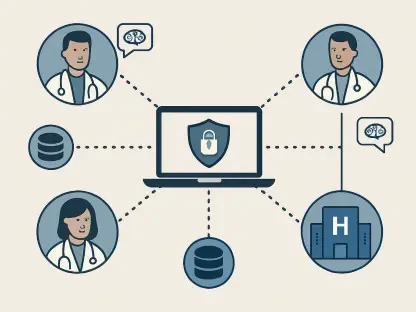

The sophisticated integration of advanced artificial intelligence into the sprawling Indonesian archipelago’s medical infrastructure has fundamentally changed how remote island communities access high-quality diagnostic services and chronic disease management. This shift represents a monumental leap in the Ministry of Health’s digital transformation journey, which aimed to close the massive accessibility gap across thousands of islands. By utilizing the SATUSEHAT platform, the government managed to unify disparate data streams, allowing AI models to provide real-time insights for epidemiology and personalized patient care. However, this technological acceleration brings profound questions regarding the protection of sensitive genomic and clinical data from evolving cyber threats. Policymakers are now navigating a complex landscape where the urgency of innovation must be weighed against the absolute necessity of ethical governance. The current strategy prioritizes a phased rollout of AI tools, ensuring that each algorithm undergoes rigorous scrutiny before becoming a standard part of the national clinical workflow.
Guarding the Digital Pulse: Regulatory Frameworks for Safety
Legal Standards: Strengthening the Foundations for AI Safety
To address these emerging challenges, the Indonesian Ministry of Health recently established a comprehensive set of guidelines designed to ensure that artificial intelligence deployments prioritize patient safety and data integrity above all else. These regulations mandate that any health-tech developer operating within the country must provide a transparent breakdown of their algorithmic decision-making processes to prevent “black box” scenarios. This approach is codified in a new series of circular letters that require periodic ethical audits conducted by independent third-party organizations. Furthermore, the Indonesian Personal Data Protection Law has been expanded to include specific provisions for high-risk AI applications in clinical settings, ensuring that patients have the right to opt-out of automated processing without losing access to essential medical services. By creating a clear legal roadmap, the government aims to foster an environment where startups can innovate without fear of sudden regulatory shifts or ambiguity regarding data ownership and liability.
Clinical Validation: Building Trust Through Algorithmic Accountability
Beyond the creation of high-level regulations, ensuring that diagnostic algorithms are effective across Indonesia’s diverse genetic landscape requires more than just imported technology; it demands rigorous local validation and strict algorithmic accountability. Health institutions like national referral centers have begun implementing specialized validation protocols that test AI models against local demographic data to eliminate potential biases. For instance, an AI tool designed to detect pulmonary issues from chest X-rays must be proven effective specifically for Indonesian patients, who may present different physiological markers compared to Western populations. This localized vetting process is crucial for preventing misdiagnosis and ensuring equitable health outcomes for people in both urban centers and rural provinces. Medical professionals are increasingly being trained to act as the final decision-makers, utilizing AI as a supportive tool rather than an autonomous replacement, ensuring that clinical intuition remains at the heart of care.
Cultivating Inclusivity: Implementation and Social Impact
Local Context: Bridging the Gap Between Technology and Culture
While technical accuracy and legal compliance are essential, artificial intelligence solutions must also be deeply rooted in the local socio-cultural context and reflect the unique linguistic and social realities of the Indonesian people. Developers are currently working on natural language processing models that can interpret various regional dialects, allowing community health workers in remote areas to input patient symptoms more accurately into digital systems. This focus on inclusivity prevents the digital divide from widening and ensures that the benefits of high-tech medicine reach the most vulnerable citizens. Beyond language, ethical governance also involves addressing the digital literacy gap among healthcare providers to ensure they can interpret AI-driven recommendations with a critical eye. Educational initiatives are being rolled out across medical universities to integrate data science into the core curriculum, preparing doctors for a hybrid clinical environment where they can safely navigate AI-enhanced medicine.
Future Resilience: Collaborative Strategies for Sustainable Innovation
The successful journey toward a balanced medical ecosystem was ultimately defined by strategic partnerships between the public sector and private technology firms which established a sustainable foundation for healthcare innovation. The government successfully facilitated sandbox environments where startups collaborated with public hospitals to refine their tools under strict ethical supervision before a national rollout occurred. This collaborative model allowed for the rapid identification of systemic flaws and provided a platform for continuous improvement based on real-world feedback from frontline medical workers. Stakeholders focused on developing decentralized data architectures that enhanced cybersecurity while allowing for the seamless exchange of information across different health facilities. From 2026 to 2030, the strategic focus shifted toward preventative genomic medicine and the cultivation of domestic talent to ensure long-term self-sufficiency. These measures ensured that the integration of artificial intelligence was both ethical and effective.