
The multibillion-dollar investment in pharmaceutical research and development often encounters a critical bottleneck during the final mile of healthcare delivery where patients struggle to access life-saving medications. Despite the rapid scientific breakthroughs seen in 2026, the administrative infrastructure supporting these treatments remains surprisingly fragmented, leading to a significant drop-off in therapy starts. Recent developments, such as the fifty-million-dollar Series B funding of Courier Health led by Oak HC/FT, signal a fundamental shift toward using artificial intelligence to bridge this gap. This investment underscores a growing recognition that the life sciences sector must evolve beyond drug discovery to optimize the entire patient journey through a dedicated digital ecosystem. By leveraging advanced data analytics and automation, companies are finally addressing the systemic inefficiencies that prevent modern therapies from reaching those who need them most, marking a new era of patient-centricity in the biopharmaceutical industry.
Navigating the Administrative Obstacles of Specialty Medicine
A major theme currently defining the biopharmaceutical landscape is the paradox of innovation where cutting-edge therapies are developed at immense cost, yet the systems to deliver them remain antiquated. Statistics from industry leaders like IQVIA reveal that for newly launched specialty drugs, more than half of initial prescriptions fail to result in a patient actually receiving the therapy. This failure is frequently attributed to a complex gauntlet of administrative requirements, including insurance rejections that affect over fifty percent of initial claims and arduous prior authorization protocols. These hurdles create a disconnect between the clinical promise of a drug and its real-world utility, as the administrative burden often exceeds the capacity of standard healthcare providers. Consequently, patients who are already dealing with serious or rare conditions find themselves caught in a cycle of paperwork and delayed approvals that can jeopardize their long-term health prospects.
Beyond the immediate challenges of therapy initiation, the persistence of patients on chronic or rare disease treatments represents a second major hurdle for the biopharmaceutical sector. Data indicates that approximately thirty percent of patients never begin their prescribed therapy, while another significant portion discontinues treatment within the first few months. This attrition is rarely a reflection of the medication’s safety or efficacy but is instead a consequence of a disjointed patient experience characterized by siloed information and lack of coordination between support teams. Biopharma companies have traditionally lacked visibility into this journey, making it nearly impossible to intervene when a patient encounters financial barriers or logistical complications. Without a unified view of the patient lifecycle, the industry struggles to maintain the momentum of treatment, leading to wasted research efforts and suboptimal outcomes for the patient populations being served.
Leveraging Agentic AI for Seamless Therapy Management
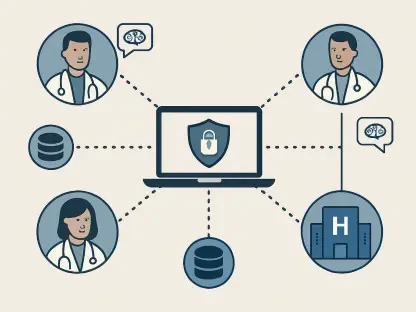
To resolve these systemic inefficiencies, industry innovators are turning away from generic customer relationship management tools in favor of purpose-built operating systems tailored to the life sciences. These platforms act as a single source of truth by integrating disparate data streams from providers, payers, specialty pharmacies, and financial assistance foundations into a cohesive interface. This integration allows biopharma teams to move from a reactive stance to a proactive model where potential obstacles are flagged before they result in a treatment gap. For instance, market access teams can use these tools to monitor real-time benefits verification and identify at-risk patients who might be facing insurance hurdles or logistical delays. By creating a transparent and connected ecosystem, companies can ensure that the transition from a clinical trial or a physician’s office to daily therapy is as seamless as possible, reducing the friction that has historically plagued specialty medicine.
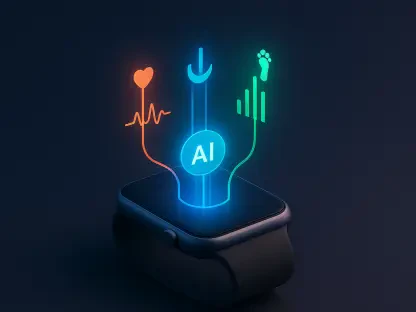
The maturation of artificial intelligence from simple conversational bots to sophisticated agentic AI has provided the necessary scale to manage these high-volume administrative tasks with precision. These AI agents are now capable of automating patient intakes, conducting complex benefits checks, and fulfilling information requests that previously required manual intervention by human support teams. This strategy does not merely replace personnel but instead empowers them to focus on high-level responsibilities that require human empathy and creative problem-solving, such as counseling patients through difficult diagnoses. By offloading the mechanical aspects of healthcare logistics to intelligent automation, patient service representatives can dedicate more time to direct interaction, ensuring that the technology serves to enhance rather than replace the personal touch. Furthermore, these systems are built with strict security and compliance guardrails to operate within the highly regulated pharma space.
Evaluating the Quantitative Success of Integrated Platforms
The efficacy of this unified digital approach is increasingly visible through recent performance metrics that highlight a significant increase in both customer adoption and patient health outcomes. During the current year of 2026, organizations leveraging integrated patient support platforms have reported a surge in the number of therapies supported, reflecting a broader industry push toward data maturity. Client data suggests that using these specialized infrastructures can lead to a fifteen to twenty percent increase in patient therapy starts and a notable improvement in six-month persistency rates. These improvements demonstrate that the gap between a prescription and treatment success is fundamentally a data problem that can be solved with the right technological foundation. With less than ten percent of biopharma companies currently possessing the infrastructure required to leverage AI effectively, those adopting these platforms now are positioning themselves as leaders in the next generation of healthcare delivery.
The successful integration of AI-driven ecosystems into the life sciences signaled a definitive move toward true patient-centricity that prioritized the human experience as much as clinical outcomes. Stakeholders recognized that the future of medicine depended on the intelligent orchestration of logistics to ensure that scientific breakthroughs translated into actual health improvements. Industry leaders recommended that organizations prioritize the development of specialized data infrastructures to close the remaining gaps in the patient journey. It became clear that the most effective strategy involved moving away from fragmented, siloed systems toward unified platforms that offered total visibility into every stage of the treatment lifecycle. By streamlining the final mile of delivery and automating the administrative burden, the industry established a new standard for managing chronic conditions. This transition ensured that the primary focus remained on the patient, setting a foundation for long-term innovation and sustainable healthcare success.