
The pursuit of metabolic health has transformed from a niche medical concern into a dominant cultural phenomenon that dictates how millions of Americans navigate their daily lives and healthcare choices. With approximately one in eight American adults already having experimented with GLP-1 medications, the national appetite for reliable, medical-grade weight loss solutions has shifted from a trend toward a standard expectation of care. However, the current landscape remains fraught with complications, as patients often find themselves choosing between expensive, impersonal digital marketplaces and traditional clinical settings that lack the speed and logistical efficiency of the modern world. This fragmented reality creates a significant barrier for those seeking long-term success rather than a temporary pharmaceutical fix.
To address these systemic inefficiencies, Amazon One Medical is introducing a structured framework that merges high-level clinical expertise with the unmatched logistical reach of the world’s largest retailer. This initiative moves beyond the transactional nature of many telehealth platforms by establishing a medical environment where advanced GLP-1 receptor agonists are paired with continuous clinical oversight. By positioning obesity management within the broader context of primary care, the program seeks to ensure that weight loss is treated as a critical pillar of metabolic health rather than an isolated aesthetic goal. This approach provides a necessary bridge for individuals caught in the cycle of high costs and inconsistent support, offering a more sustainable pathway to chronic disease management.
Bridging the Gap: Retail Convenience Meets Clinical Care
The entrance of a major retail force into the clinical weight loss space signifies a fundamental shift in how patients access specialized treatments. While the market is currently saturated with “pill-mill” telehealth services that prioritize volume over patient safety, this new program emphasizes a closed-loop system of care. By utilizing the professional medical staff of One Medical, the service ensures that every prescription is backed by a legitimate provider-patient relationship. This strategy allows for a more nuanced assessment of health, where providers can adjust dosages and monitor side effects in real-time, preventing the common pitfalls of self-managed pharmaceutical regimens.
This integration of services helps resolve the historical tension between medical rigor and consumer convenience. Patients no longer have to navigate separate entities for their consultations, prescriptions, and follow-up care. Instead, the unified platform offers a seamless transition from the initial digital screening to the physical delivery of medication. By maintaining this continuity, the initiative provides a sense of security for patients who might otherwise feel abandoned by the healthcare system once their initial prescription is filled. The focus remains on quality interactions that prioritize the patient’s long-term well-being over simple delivery metrics.
The Evolution: Redefining Modern Weight Management
The modern healthcare landscape is witnessing a total recalibration of weight management, moving away from outdated “willpower” narratives toward a science-based understanding of metabolic function. GLP-1 receptor agonists have become the centerpiece of this evolution, offering significant clinical outcomes for those struggling with chronic obesity. However, as demand surges, the reality of high monthly costs—often exceeding $1,000 at traditional pharmacies—has created a divide in accessibility. This program seeks to democratize access by providing a transparent financial framework that reduces the friction associated with these life-changing medications.
As the “retailization” of healthcare accelerates, major corporations are increasingly tasked with solving the logistical and financial hurdles that traditional medical institutions have struggled to overcome. The challenge lies in managing the high overhead of chronic disease care while keeping services affordable for the average consumer. This initiative represents a sophisticated response to that challenge, utilizing a hybrid model that blends digital speed with physical clinic touchpoints. By addressing the logistical barriers to care, the program ensures that metabolic health becomes an attainable goal for a wider demographic, rather than a luxury reserved for the few.
The Ecosystem: Integrating Care and Pharmaceutical Logistics
The operational success of this weight management framework relies heavily on the strategic synergy between the $3.9 billion acquisition of One Medical and the expansive Amazon Pharmacy network. This internal ecosystem allows for a level of transparency rarely seen in American healthcare. For patients with compatible insurance, oral GLP-1 medications start as low as $25 per month, while cash-pay options are priced at $149. Even more intensive injectable treatments, such as Wegovy, are offered starting at $299 for cash-pay users. This tiered pricing model is designed to provide clarity in a market often characterized by hidden fees and unpredictable insurance denials.
Beyond the financial benefits, the closed-loop system ensures that pharmaceutical logistics are directly tied to clinical decision-making. When a One Medical provider issues a prescription, the order is instantly processed through the pharmacy infrastructure, reducing the risk of communication errors or delays. This integration is particularly vital for injectable medications, which often require cold-chain storage and precise delivery windows to maintain efficacy. By controlling every step of the process—from the initial consultation to the final delivery at the patient’s door—the program minimizes the potential for treatment interruptions that can derail weight loss progress.
Supportive Care: Enhancing Patient Outcomes through Innovation
Data from organizations like KFF indicates that while GLP-1 medications are highly effective, many patients discontinue treatment within the first few months due to side effects or a lack of professional guidance. To mitigate these risks, the program incorporates a high-touch monitoring system that goes beyond the standard check-up. By leveraging Amazon’s same-day delivery network—now serving 3,000 cities with plans for 4,500—patients receive their medication without the stress of frequent pharmacy visits. Furthermore, the introduction of prescription-dispensing kiosks within physical clinics provides an additional layer of convenience for those who prefer in-person interactions.
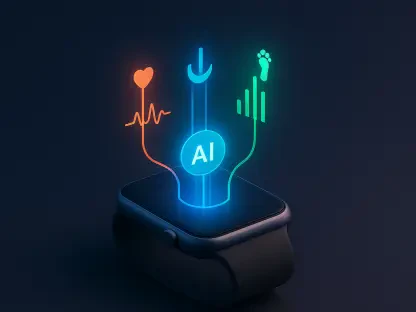
Technological innovation serves as the backbone of this supportive care model, with digital health assistants and automated check-ins providing a constant connection between the patient and the medical team. These tools allow providers to identify potential issues, such as nausea or stalled progress, before they lead to treatment abandonment. By viewing obesity as a central metabolic concern that affects comorbid conditions like heart disease and type 2 diabetes, the program fosters a holistic approach to patient health. This proactive monitoring is essential for fostering the sustainable habits and physiological changes necessary for long-term weight maintenance.
Patient Pathways: Navigating the Future of Managed Health
To begin the journey toward improved metabolic health, patients utilized a streamlined application process housed within the One Medical digital platform. The initial stage involved a comprehensive clinical consultation designed to evaluate the patient’s medical history and current health status. Providers then developed personalized treatment plans that balanced clinical necessity with financial feasibility, selecting from a range of oral and injectable options. This personalized approach ensured that every patient received a regimen tailored to their specific biological needs, rather than a one-size-fits-all solution that ignored individual health complexities.
The program successfully addressed the logistical challenges of chronic care by integrating the medication delivery process directly into the patient’s daily routine. With the expansion of rapid delivery services and the deployment of AI-driven health assistants, the framework provided a level of accessibility that traditional providers struggled to match. Patients benefited from regular digital touchpoints and physical clinic visits that prioritized safety and dosage accuracy. By removing the administrative burdens of weight management, the initiative allowed individuals to focus entirely on their health outcomes, setting a new standard for how corporations navigated the intersection of technology and clinical medicine.