
The rapid transition of artificial intelligence from a theoretical novelty to a cornerstone of modern clinical practice has fundamental implications for how patients and providers interact within the healthcare ecosystem. While Silicon Valley visionaries often speculate on a future where autonomous robotic systems manage surgical suites, the contemporary landscape is defined by a more pragmatic integration of machine learning into the preliminary diagnostic phase. This shift is particularly evident as AI-driven platforms become the primary point of contact for individuals seeking immediate health answers from their own homes. Recent data indicates that medical professionals at prestigious institutions are increasingly supportive of this trend, with a significant majority endorsing AI for initial health screenings. However, the inherent risks associated with high-stakes medical decisions necessitate that these digital tools function as extensions of existing clinical workflows. AI must be embedded within a framework that prioritizes human oversight.
Mitigating Risks Associated With Algorithmic Hallucinations
The most pressing obstacle preventing the universal adoption of AI in medical diagnostics is the phenomenon known as “hallucination,” where large language models generate plausible yet entirely fabricated medical information. In a clinical context, even a minor factual error can result in catastrophic outcomes, ranging from incorrect medication dosages to a failure to recognize life-threatening symptoms. For instance, general-purpose models have occasionally provided dangerously flawed advice regarding emergency procedures, such as suggesting inappropriate preservation techniques for severed limbs or misidentifying toxic substances. These errors underscore the reality that while AI can process vast amounts of data, it lacks the contextual understanding and ethical grounding required for independent medical decision-making. Consequently, the industry is moving away from generic AI solutions toward specialized models that are strictly bounded by clinical guidelines.
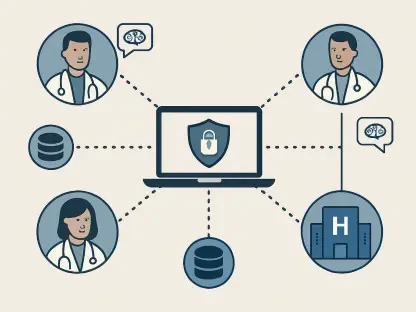
To address the trust gap caused by these technical inconsistencies, many early AI platforms relied on legal disclaimers and external links, effectively transferring the burden of verification onto the patient. This approach has proven inadequate, as patients often lack the specialized training to distinguish between accurate medical advice and sophisticated-sounding errors. Industry leaders now advocate for a “Doctor in the Loop” architecture, which treats AI as a sophisticated assistant rather than a primary decision-maker. This framework ensures that every AI-generated suggestion undergoes a layer of professional scrutiny before being finalized. By integrating human expertise directly into the digital workflow, healthcare providers can leverage the speed of algorithmic processing without sacrificing the rigorous standards of clinical practice. This strategy not only protects patients from the consequences of machine errors but also builds a foundation of transparency.
Operationalizing the Doctor in the Loop Framework
The “Doctor Review” system serves as a prime example of a functional hybrid model that combines computational speed with seasoned clinical judgment to improve diagnostic outcomes. Under this protocol, the AI conducts an initial intake and analysis, identifying potential conditions based on user data, which is then submitted to a human specialist for formal validation. This collaborative process creates a direct link between the patient and a physician, ensuring that the convenience of digital tools does not lead to a loss of professional accountability. The system allows for a tiered approach to healthcare, where the AI handles routine data collection and categorization, while the doctor provides the final diagnostic signature. This synergy addresses the bottleneck of physician availability by streamlining the early stages of the consultation process. Furthermore, it provides patients with security, knowing their health concerns are being evaluated by a professional.
Dermatology has emerged as the leading field for the practical application of these collaborative systems due to the visual nature of the specialty and the availability of extensive datasets. Because many skin conditions can be identified through high-resolution imagery and structured patient history, dermatology offers a robust testing ground for multimodal AI that processes both text and visual input. Current platforms allow users to receive preliminary assessments for over one hundred common dermatological issues, with the added option of having a board-certified dermatologist review the case file. This setup allows for rapid screening of benign conditions while ensuring that more serious pathologies, such as malignant melanoma, are prioritized for human intervention. By using AI as a triage tool, clinics can significantly reduce wait times for initial assessments while maintaining diagnostic accuracy. The success of this model provides a template for other image-dependent specialties.
Measuring the Efficacy of Collaborative Diagnostic Systems
Empirical data from ongoing pilot programs demonstrates a remarkable level of alignment between AI-driven analysis and independent physician reviews, with agreement rates frequently exceeding ninety percent. This high degree of consistency suggests that modern medical models have successfully internalized established clinical logic and diagnostic protocols. However, the true value of the “Doctor in the Loop” model is found in the ten percent of cases where the AI and the physician disagree. In these instances, human experts often identify subtle nuances, such as atypical presentations of symptoms or confounding factors in a patient’s medical history, that the algorithm overlooked. These discrepancies serve as a vital feedback mechanism, allowing developers to refine the models while ensuring that no patient receives incorrect advice. The human doctor acts as a critical filter, providing the necessary context and empathy that are currently beyond the capabilities of even the most advanced neural networks.
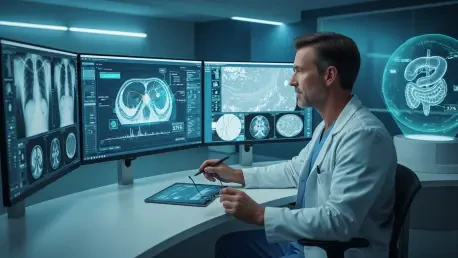
Many physicians participating in these advanced programs liken the experience to supervising an autonomous driving system, where the technology manages routine operations while the human remains ready to take control. This analogy highlights a significant shift in the medical professional’s role from a primary data gatherer to a high-level validator of complex information. By offloading the repetitive tasks of documenting patient histories and performing basic screenings to an AI assistant, doctors can dedicate more time to complex cases that require creative problem-solving and personalized care. This optimization of human resources is particularly critical in light of the global shortage of medical specialists, as it allows existing staff to manage larger patient volumes without a corresponding increase in burnout. The resulting efficiency gains represent a fundamental reallocation of cognitive labor toward the aspects of medicine that require the highest levels of training, empathy, and ethical consideration.
Scaling Integrated Health Solutions for Future Resilience
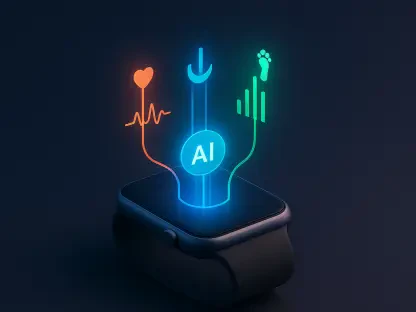
The proven success of integrated models in dermatology is paving the way for their expansion into more complex areas of medicine, including chronic disease management and mental health monitoring. For patients dealing with long-term conditions like diabetes or hypertension, AI can provide continuous monitoring of physiological metrics and offer real-time lifestyle adjustments. When these metrics deviate from a predefined safe range, the system can automatically alert a human care manager, who then intervenes to provide specialized medical advice or emotional support. This proactive approach to health management moves the focus from reactive treatment to preventative care, potentially reducing the frequency of hospitalizations and emergency room visits. By leveraging AI for the constant surveillance of patient data, healthcare systems can provide a level of personalized attention that was previously impossible. This model ensures that patients receive the right level of care at the right time, guided by data and human compassion.
The development of collaborative diagnostic frameworks represented a decisive move toward a healthcare system where technology enhanced rather than replaced human expertise. Stakeholders recognized that the most effective way to utilize AI was through a structured partnership that prioritized professional oversight and ethical accountability at every stage of the patient journey. To continue this progress, medical institutions established rigorous standards for AI integration, ensuring that all digital tools remained subordinate to the judgment of licensed practitioners. These initiatives fostered a culture of transparency and safety, which encouraged broader public acceptance of digital health solutions across diverse populations. By focusing on the synergy between algorithmic processing and clinical wisdom, the medical community successfully navigated the challenges of a rapidly changing technological landscape. This evolution ensured that the human element remained the ultimate authority, providing a stable foundation for global services.