
The traditional medical model of waiting for a physical ailment to manifest before seeking treatment is rapidly giving way to a more sophisticated, preemptive approach focused on total biological transparency. Rather than relying on sporadic checkups that address immediate complaints, modern healthcare is transitioning into a proactive era where individuals seek a comprehensive medical assessment to establish a health baseline. These high-tech clinics represent a fundamental shift in how society views aging and disease prevention through advanced imaging and biochemical testing. By identifying metabolic issues or early-stage skin cancers long before they become symptomatic, these facilities empower patients with data previously inaccessible outside of a major hospital. This data-driven strategy allows for a high-definition picture of internal wellness, making it easier for individuals to maintain their physical health and vitality over a much longer trajectory than ever before.
The Transition to Preventive Wellness
Proactive Detection: Shifting the Clinical Focus to Prevention
At the heart of this movement is the belief that early intervention is far more effective and less invasive than attempting to treat a disease once it has reached an advanced stage. Experts argue that conventional healthcare systems have historically focused on repairing damage after it has occurred. However, by proactively scanning for rising cholesterol or subtle irregularities in skin texture during a routine assessment, patients can implement life-saving modifications. This trend is driven by a growing demographic no longer satisfied with simply not being sick; instead, they are looking to optimize their daily performance, including physical resilience, sleep quality, and cognitive function. This shift represents a transition from a sick-care model to a genuine well-care system focused on building human resilience against aging. By catching issues at the cellular level, the focus remains on sustaining optimal vitality and systemic health for the long term.
Environmental Design: Merging Technology With Patient Comfort
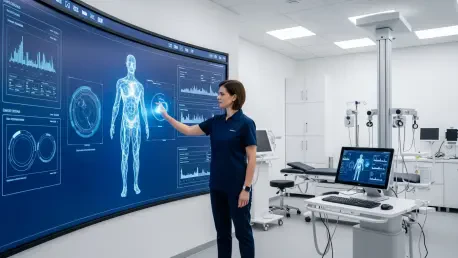
To facilitate these evaluations, new clinics are merging architectural design with high-end medical technology to create an environment that feels welcoming rather than clinical. These spaces intentionally avoid the sterile atmosphere often associated with traditional hospitals, opting for a minimalist aesthetic resembling a futuristic spaceship. By utilizing specific color palettes, soft lighting, and modular furniture, these clinics aim to mitigate the medical anxiety many patients experience when undergoing comprehensive testing. This thoughtful integration of behavioral psychology into the physical environment transforms a stressful diagnostic process into a comfortable journey. The result is a patient experience that feels sophisticated and low-stress, encouraging more frequent engagement with preventive screenings. This modern approach turns what used to be a cold appointment into a proactive wellness ritual that patients look forward to completing as part of their annual routine.
Data-Driven Diagnostics and Long-Term Results
Technical Assessment: Measuring Internal and External Health
The actual diagnostic process in these high-tech facilities is a remarkably efficient series of tests capturing thousands of distinct data points in a single session lasting roughly twenty minutes. Patients undergo high-resolution mole mapping to monitor skin health, alongside physiological tests that measure markers such as grip strength, identified as a critical indicator of muscle health and overall longevity. Comprehensive blood panels and non-invasive vascular scans provide a deep dive into internal metrics, including glucose stability and various lipid profiles. This suite of tools offers a level of granularity that a standard physical examination simply cannot achieve, providing a holistic view of both external and internal biological systems. By consolidating these complex assessments into a streamlined workflow, clinics provide patients with a wealth of information regarding their current physical state and potential health risks with precision.
Visual Motivation: The Power of Digital Health Avatars
A transformative element of this data-driven process is the conversion of raw medical data into a high-fidelity 3D digital avatar of the patient’s own body. This visual representation serves as a powerful psychological catalyst, making abstract health statistics feel visceral and immediate, which motivates individuals to address poor lifestyle habits. During the consultation, physicians manipulate this digital twin to point out specific areas of concern, such as visceral fat accumulation or early signs of vascular inflammation. This feedback loop turns medical findings into actionable advice, making it easier for patients to commit to long-term changes in diet and exercise. This approach has essentially gamified personal health, as patients receive an annual report card they strive to improve over time. While the cost is significant, many view it as a vital investment in their long-term resilience and a way to navigate the complexities of aging with clarity.
Strategic Progression: Next Steps in Personal Health Auditing
The implementation of these advanced diagnostic protocols established a new standard for individual wellness management. Health professionals recommended that patients initiate these screenings as a baseline for future comparisons, allowing for a longitudinal view of biological trends. By shifting the focus toward specific biomarkers such as vascular flexibility and metabolic stability, individuals gained the ability to preempt chronic conditions before they dictated the terms of their daily lives. The recorded data functioned as a dynamic roadmap, enabling clinicians to prescribe personalized adjustments to sleep hygiene and nutritional intake. This methodology moved beyond the generalized advice of previous decades, providing a specific context for every health decision made by the user. Consequently, the transition to these high-tech evaluations was viewed as a foundational step for anyone prioritizing their long-term cognitive performance.
Strategic Outcomes: Moving Toward Informed Biological Longevity
The final analysis of these health outcomes suggested that the integration of digital twins into routine care was the most effective catalyst for behavioral change. Researchers found that patients who interacted with their own 3D biological data were significantly more likely to adhere to corrective protocols than those receiving traditional reports. To maximize the benefits of this technology, experts suggested a consistent annual schedule of scanning to track the efficacy of lifestyle modifications. This approach ensured that any emerging issues were identified within a twelve-month window, preventing minor imbalances from developing into significant health crises. Ultimately, the data-driven model provided a sense of agency and clarity that transformed the experience of aging into a managed, quantifiable process. The success of these clinics highlighted the necessity of biological transparency in the ongoing quest for human longevity.