
The rapid proliferation of peer-reviewed medical literature has created a significant hurdle for healthcare providers who must reconcile global scientific findings with the unique physiological profiles of individual patients in real time. To address this complexity, Cedars-Sinai has successfully implemented an enterprise-wide expansion of OpenEvidence, a sophisticated clinical reference tool powered by artificial intelligence. This technological leap aims to bridge the persistent gap between the vast ocean of available medical data and the immediate, highly specific needs of patients at the bedside. By integrating this platform directly into the existing electronic health record system, the institution enables physicians, nurses, and pharmacists to access synthesized, evidence-based insights without disrupting their existing workflows. This deployment represents a move away from traditional static search methods, favoring a dynamic system that understands the nuances of modern clinical practice and the critical importance of speed in high-stakes environments.
Contextual Intelligence: Integrating Patient Data with Global Research
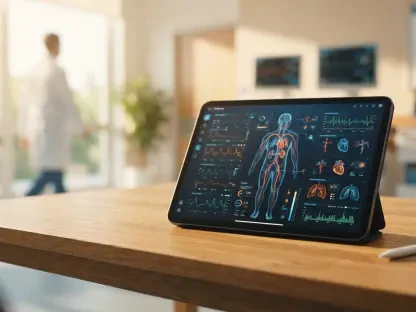
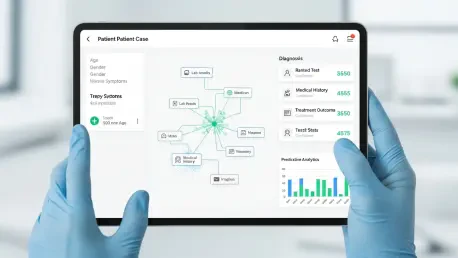
The primary strength of this new integration lies in its ability to provide contextualized answers that are specifically tailored to the medical history of the individual being treated at that moment. When a clinician queries the system about a particular treatment or diagnostic path, the artificial intelligence does not merely return a list of relevant articles; instead, it analyzes the patient’s comorbidities, past surgical procedures, known allergies, and current medication list to refine its output. This level of personalization ensures that the evidence-based recommendations provided are not only scientifically sound but also practically applicable to the specific clinical scenario at hand. This transformation in data retrieval allows the medical team to focus more on the art of caregiving while the technology handles the heavy lifting of processing thousands of pages of research to find the most pertinent facts for a single case.
Furthermore, the implementation includes the seamless integration of internal care pathways and best practices developed specifically by the experts at Cedars-Sinai over several years. This unique feature ensures that while clinicians have access to the latest global scientific breakthroughs, they remain aligned with the specialized protocols and quality standards established by their own health system. By merging institutional knowledge with international research, the platform creates a unified source of truth that reduces variability in care and promotes adherence to proven clinical strategies. This dual-layered approach helps maintain the high standards of a leading academic medical center while empowering staff with a tool that respects the localized expertise of their colleagues. The result is a more cohesive environment where technology serves to reinforce the established clinical excellence rather than introducing conflicting information from outside sources.
Strategic AI Adoption: Enhancing Workflow and Ensuring Privacy
This deployment is not an isolated initiative but rather a foundational element of a broader strategy to utilize artificial intelligence for the optimization of various clinical and administrative workflows. Beyond literature review, the health system is actively utilizing specialized models to automate nursing documentation and conduct advanced analysis of echocardiogram reports with greater precision. There is also a significant focus on predictive modeling to determine the most effective chemotherapy regimens for patients facing complex diagnoses like pancreatic cancer. This holistic ecosystem approach signifies a shift from experimental pilot programs to a permanent, integrated infrastructure where technology alleviates the administrative burdens that often lead to burnout. By automating routine data processing tasks, the organization allows its highly skilled workforce to dedicate more time to direct patient interaction and complex clinical reasoning.
A critical component of this technological expansion is the uncompromising stance on data security and the protection of sensitive health information throughout the process. The institution has implemented strict protocols ensuring that any patient information used to contextualize clinical queries is processed in a transient manner, meaning it is never stored by the external AI provider or repurposed for other uses. This commitment to privacy is essential for maintaining the trust between the patient and the provider, especially as the use of large-scale data analysis becomes more common in everyday medicine. The system functions as a one-way bridge where data informs a decision and is then immediately shielded from further exposure. This rigorous focus on ethical data management ensures that the benefits of advanced computation are realized without compromising the fundamental rights of the individuals who are seeking care within the medical center’s facilities.
Governance and Oversight: Shaping the Future of Medical Practice
To navigate the complexities of these technological advancements, the health system established a multidisciplinary oversight committee tasked with auditing every tool for safety and effectiveness. This group, which includes data scientists, clinical practitioners, and administrative leaders, performs rigorous evaluations to ensure that any diagnostic or treatment recommendation remains unbiased and accurate. The existence of such a committee highlights the institutional belief that human oversight must remain the final arbiter in any medical decision-making process. By vetting these tools through a lens of clinical safety and intellectual property protection, the organization maintains a high level of control over how technology influences the patient experience. This structure prevents the unchecked adoption of black-box algorithms and ensures that every piece of software deployed serves a clear, measurable purpose in improving health outcomes across the board.
The successful implementation of this clinical reference tool ultimately signaled a fundamental change in how medical professionals interacted with the growing body of scientific knowledge. Stakeholders observed that by moving beyond simple information retrieval to a model of intelligent interpretation, the organization improved its ability to deliver precise and timely interventions. Moving forward, health systems looked to expand these capabilities by exploring how ambient sensing and more advanced natural language processing could further reduce documentation time while increasing the accuracy of patient records. The path taken by the leadership focused on creating a sustainable model where technology and human expertise worked in tandem to solve the most pressing challenges in healthcare. By prioritizing clinical relevance and data integrity, the institution established a durable framework that supported both the professional needs of its staff and the complex requirements of the diverse population it served.