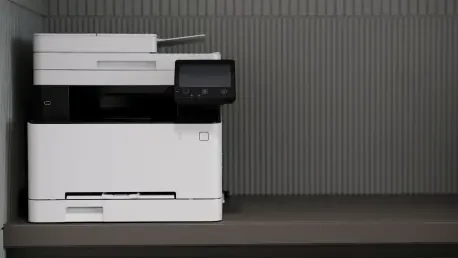

While modern medicine navigates the intricacies of robotic surgery and gene editing, the administrative backbone of the American healthcare system remains startlingly tethered to the late twentieth century. This “analog paradox” creates a landscape where life-saving data is often transmitted via grainy telephone lines, leading to a cascade of manual errors and dangerous delays in patient care. The persistence of the fax machine is not merely a quirk of nostalgia but a systemic bottleneck that costs billions of dollars in administrative waste annually. Known as “referral leakage,” this phenomenon occurs when patients essentially vanish within a fragmented system because their paperwork was lost or misfiled. As providers face mounting pressure to modernize, the integration of artificial intelligence offers a pathway to finally sever these analog ties. By shifting toward a “digital backbone,” the industry aims to replace outdated hardware with automated networks that ensure data moves as fast as the clinical innovations it supports.
Transforming Administrative Workflows Through Automation
The core of this digital evolution lies in the ability of artificial intelligence to manage and interpret unstructured data, which remains the primary format for medical faxes. Historically, these documents have been messy, non-standardized artifacts that required clinical staff to spend hours reading, interpreting, and manually typing information into a computer system. Intelligent Automation Services now provide the capability to ingest these analog transmissions and parse them into structured, actionable digital referrals in less than a minute. By removing the necessity for manual transcription, this technology effectively eliminates the risk of human error that often plagues the initial hand-off between a primary care physician and a specialist. This shift ensures that vital patient details are never lost in translation or relegated to a dusty filing cabinet, transforming a traditionally slow and error-prone process into a streamlined digital workflow that prioritizes accuracy and speed.
Beyond simple data entry, these artificial intelligence tools are specifically engineered to function within the existing software environments that clinicians utilize every day. Instead of forcing busy medical staff to toggle between disparate platforms or learn entirely new interfaces, the automation synchronizes appointment data and patient charts directly with Electronic Health Records. This “invisible work” ensures that care coordination is an integrated part of the medical journey rather than an isolated administrative task. By automating these tedious and repetitive functions, the system allows clinical personnel to refocus their professional energy on direct patient interactions rather than chasing down missing paperwork or engaging in endless rounds of “phone tag” with other offices. This integration reduces burnout among administrative teams while simultaneously ensuring that the medical record remains a living, breathing document that reflects the most current status of the patient care plan.
Building Resilience Through Interoperable Networks
For artificial intelligence to achieve its full potential in a healthcare setting, it cannot operate in a vacuum; it requires a vast and pre-existing network to provide clean, reliable data. The strategic acquisition of iNaira Healthcare Technologies by LeadingReach highlights the industry’s push toward building a verified infrastructure that can support massive data exchange. Currently, these networks connect more than 30,000 organizations and process tens of thousands of referrals every single day, providing the essential foundation for AI to scale rapidly across the country. This scale offers immediate utility to everyone from small private practices to sprawling metropolitan health systems, solving the long-standing issue of interoperability. Without such a robust network, even the most advanced algorithmic tools would struggle to communicate effectively across different software ecosystems, leaving the healthcare industry stuck in a cycle of siloed information.
Security and trust serve as the non-negotiable pillars of this newly digitized landscape, especially as patient data becomes centralized within these advanced AI-driven networks. Maintaining rigorous safeguards, such as HITRUST certification, has become the gold standard for success in an era where cyber threats are increasingly sophisticated. Healthcare organizations are significantly more likely to adopt these automated systems when they can demonstrate high-level resilience against potential breaches and comprehensive risk management strategies. As the industry moves toward more interoperable solutions, the ability to protect sensitive medical information while ensuring it remains accessible to authorized providers will define the long-term viability of these digital communication networks. Consequently, the transition away from the fax machine is as much about building a fortress around patient privacy as it is about improving the mechanical efficiency of data transmission.
Economic Imperatives for Digital Health Adoption
The transition toward digital coordination is being fueled by a significant economic shift from “fee-for-service” to “value-based care” models within the American medical system. In this modern framework, provider compensation is increasingly tied to patient outcomes and cost efficiency rather than the sheer volume of procedures performed. When nearly half of all healthcare payments depend on the quality and value of care, an inefficient or broken referral process becomes a major financial liability for any medical organization. Entities utilizing automated networks have reported a 75% reduction in the time spent on manual coordination, which translates directly into lower overhead costs and a significant boost in scheduled patient volume. This proves that digital transformation is not just a clinical preference but a fiscal imperative for survival in a market where administrative efficiency is directly linked to the bottom line and the ability to stay competitive.
Ultimately, the most profound impact of replacing the legacy fax machine is the significant improvement of the patient journey through the medical system. The “referral black hole,” defined as the period of silence and anxiety between seeing a primary doctor and securing an appointment with a specialist, has long been a point of frustration. By shrinking the average time required to schedule an appointment by over two-thirds, automated networks provide a transparent and trackable experience for the individual. This ensures that patients move quickly from a preliminary diagnosis to necessary treatment, reducing the psychological stress of the unknown and improving the overall quality of care. When information flows seamlessly, the patient remains the central focus of the medical process, rather than becoming a casualty of administrative friction. This shift has redefined how healthcare providers communicate, making the system more responsive to those it serves.
Strategic Next Steps for Modern Healthcare Systems
The departure from analog communication methods represented a fundamental shift in how medical institutions prioritized their operational resources and patient safety. Leaders within the industry recognized that the reliance on outdated hardware was no longer sustainable in a landscape demanding instant access to accurate data. By investing in AI-driven coordination platforms, organizations successfully dismantled the silos that had previously hindered the delivery of comprehensive care. These early adopters moved beyond the simple replacement of machines, instead choosing to reimagine the entire lifecycle of a patient referral. This proactive stance allowed them to capture revenue that was previously lost to system inefficiencies while simultaneously elevating the standard of care. The historical success of these initiatives served as a blueprint for the wider industry, proving that technological modernization was the only viable path forward for a sustainable healthcare environment.
Moving forward, the focus must shift toward the continuous optimization of these digital networks to ensure they remain adaptable to emerging medical challenges. Stakeholders should prioritize the expansion of verified provider directories and the further refinement of machine learning algorithms to anticipate patient needs before they become urgent. The lessons learned during this transition emphasized that technology is most effective when it is paired with a culture of transparency and collaboration across different medical specialties. Providers who embrace these tools should also look toward deeper integration with patient-facing applications, allowing individuals to have more agency in their own care coordination. By maintaining a commitment to interoperability and security, the healthcare community ensured that the fax machine became a relic of the past rather than a barrier to the future. This evolution established a new standard where data-driven decisions were the norm for every patient.