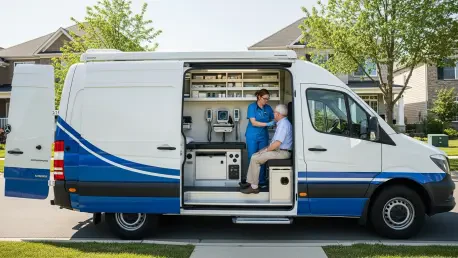

The persistent struggle to access basic medical services remains a defining challenge for thousands of residents living within the shadows of affluent California suburbs who find themselves ineligible for state-sponsored aid yet unable to afford private healthcare premiums. This systemic failure has created a significant portion of the population that exists in a medical no-man’s-land, where even a minor illness can escalate into a life-altering financial or physical crisis. For 25 years, the John Muir Health Mobile Health Clinic has operated as a direct response to this disparity, serving as a lifeline for those who have been marginalized by traditional healthcare delivery models. What began as a local initiative has transformed into a robust regional system that prioritizes human dignity over administrative hurdles. By bringing high-quality medical practitioners and equipment directly to the neighborhoods where patients live and work, the program has effectively dismantled the most common barriers to care, including transportation issues and high costs.
Evolution of Service: Expanding the Regional Health Safety Net
The program’s history is characterized by a deliberate and steady expansion into regions that have historically suffered from a lack of medical infrastructure. From its initial pilot phase in Brentwood, the mobile clinic recognized that the demand for its services far exceeded its original scope, prompting a gradual move into other critical areas such as Concord and Pittsburg. This growth was not merely geographical but also focused on the depth of the care provided to the community. Over the years, the clinic transitioned from providing basic physical exams to offering a comprehensive suite of services that include mental health counseling and specialized support for those experiencing homelessness. This shift reflected an understanding that health is a multifaceted issue that cannot be solved by addressing physical symptoms alone. By evolving to meet these complex needs, the mobile units became a foundational element of the local safety net, ensuring that no resident was completely beyond the reach of professional medical assistance.
The utility of these mobile units was perhaps most evident during the public health challenges of recent years, where they served as the primary instrument for community-wide medical interventions. During large-scale health crises, the clinics pivoted to deliver thousands of vaccines and diagnostic tests to populations that otherwise lacked the means to access centralized hospital sites. This period of intense activity demonstrated the clinic’s ability to maintain its regular primary care functions while simultaneously managing high-pressure emergency responses. As the program enters its current phase in 2026, the focus has shifted toward even more specific outreach, such as visiting local farms and remote community centers where agricultural workers often face extreme isolation. This proactive stance ensures that medical resources are not just available, but are actively seeking out those who are most likely to fall through the cracks of the standard system, thereby reinforcing the clinic’s role as a vital tool for public health equity.
Bridging the Divide: Addressing the Reality of the Insurance Gap
The most significant hurdle for many clinic visitors is the “insurance gap,” a socio-economic trap where individuals earn too much to qualify for state-funded programs but not nearly enough to pay for commercial insurance plans. Current data indicates that the vast majority of patients utilizing the mobile clinic are entirely uninsured, making these traveling medical offices their only viable option for professional healthcare. By removing the financial burden and the logistical nightmare of navigating a complex hospital system, the program serves as a critical entry point for thousands of residents. The presence of a clinic in a local parking lot or community center often means the difference between a patient seeking early treatment for a chronic condition or waiting until an emergency room visit becomes unavoidable. This model emphasizes the importance of early intervention, which not only improves individual health outcomes but also reduces the overall strain on the regional emergency medical system.
Establishing a successful medical presence in underserved neighborhoods requires more than just clinical expertise; it demands a deep foundation of trust and cultural competency. Since a significant portion of the patient population does not speak English as their primary language, the program has made it a priority to staff its units with bilingual practitioners and culturally aware counselors. This focus on clear and respectful communication ensures that patients feel heard and understood, which is essential for the long-term management of chronic diseases and mental health issues. The integration of mental health services into the mobile clinic model has been particularly impactful, as it helps to destigmatize psychological care in communities where it may have previously been overlooked. By treating mental and physical health as interconnected components of overall well-being, the clinic provides a holistic form of care that acknowledges the specific stressors and life challenges faced by its diverse and often vulnerable patient base.
Institutional Synergy: Leveraging High-Level Medical Resources
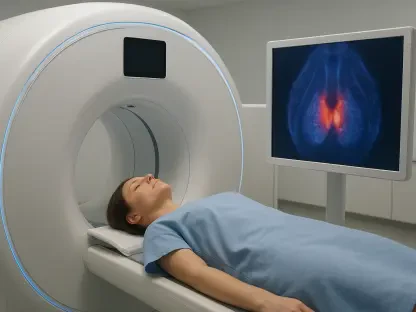
While the mobile units provide a friendly and accessible face for healthcare in local neighborhoods, their effectiveness is greatly enhanced by the substantial institutional backing of the John Muir Health system. This relationship ensures that the mobile clinic is not an isolated service but rather a fully integrated component of a massive medical network that employs thousands of professionals. Through strategic partnerships with prestigious institutions like UCSF Health and Stanford Medicine, the mobile units act as a sophisticated gateway to world-class medical expertise. When a patient arrives at a mobile van with a condition that exceeds the scope of primary care, they are not simply turned away; instead, they are plugged into a comprehensive system of referrals and specialist consultations. This connectivity ensures that the most underserved residents can still access advanced diagnostics and high-level treatments that would otherwise be completely inaccessible to them due to their socio-economic status.
The ability to provide a continuum of care from a mobile unit to a world-class hospital setting is a critical differentiator for this program. Patients who are identified as needing complex interventions, such as neurosciences or cardiovascular surgery, can be fast-tracked into the specialized departments within the John Muir Health network. This high-level support transforms the mobile clinic from a simple neighborhood provider into a conduit for life-saving medical innovation. The synergy between local outreach and institutional power creates a balanced approach to healthcare, where the intimacy of a community visit is backed by the resources of a Tier 1 medical system. This structure allows the clinic to manage a wide range of medical needs, ensuring that even the most complex cases are handled with the same level of care and precision as those seen in the system’s primary hospital facilities. This model provides a blueprint for how large-scale medical organizations can effectively extend their reach into the community.
Strategic Pathways: Strengthening the Foundations of Equitable Care
Stakeholders recognized that the future of mobile healthcare required a shift toward decentralized diagnostics and the integration of digital tools to maintain long-term patient engagement. They prioritized the development of community health ambassador programs, which empowered local leaders to act as liaisons between the medical teams and residents who remained hesitant to seek care. The strategy also focused on the implementation of advanced telehealth portals within the mobile units, allowing for real-time consultations with specialists without the need for the patient to travel miles away from their home. These actions moved the program beyond a reactive model and into a proactive phase where technology and human connection worked in tandem. Leaders determined that the long-term viability of the safety net depended on this ability to adapt to changing demographics while maintaining the core mission of providing care without financial barriers, ensuring that the progress made over the previous decades was not lost to administrative complacency.
The focus eventually shifted toward securing permanent funding streams and legislative support to ensure that mobile care became a standard expectation rather than a charitable exception. Advocates successfully argued that the cost savings associated with early mobile intervention justified a significant reallocation of public health resources toward preventative outreach. This historical shift allowed for the expansion of the clinic’s fleet and the addition of specialized pediatric and geriatric units, which addressed the specific needs of the most vulnerable age groups. By the time these strategies were fully implemented, the mobile clinic had moved from being a supplementary service to a primary driver of health equity in the region. The lessons learned from this evolution provided a roadmap for other healthcare systems to follow, proving that high-quality medical care could be successfully delivered outside the traditional hospital walls. This commitment to innovation and community presence ultimately solidified the clinic’s role as an indispensable pillar of the regional medical landscape.