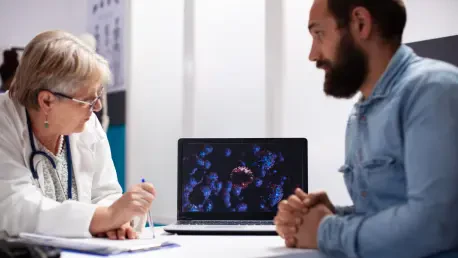
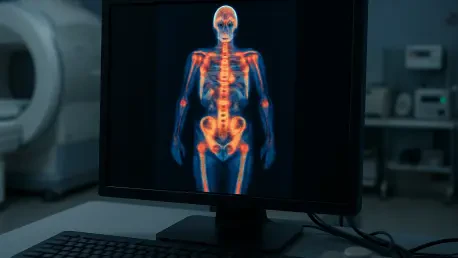
Imagine a future where robots, initially designed to navigate the perilous environments of nuclear facilities, are seamlessly integrated into hospital wards, assisting with surgeries, transporting medical supplies, and ensuring patient safety in ways previously thought impossible. This scenario is
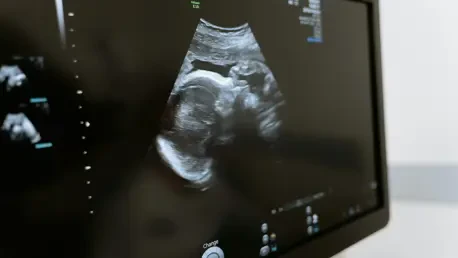
In the high-stakes environment of emergency medicine, trauma involving a pregnant patient presents an extraordinarily complex challenge, demanding rapid decisions that safeguard both maternal and fetal lives, while imaging emerges as a critical tool in guiding clinicians through the intricate

Imagine a world where millions of people struggle daily with a condition as common yet complex as functional constipation (FC), a gastrointestinal disorder that impacts roughly 10-15% of the global population with chronic symptoms like infrequent bowel movements and straining. This condition not

In the heart of rural Iowa, Guthrie County Hospital & Clinics emerges as a vital lifeline for women facing the daunting threat of breast cancer, particularly during Breast Cancer Awareness Month in October. This annual observance serves as a powerful reminder of the staggering reality that breast
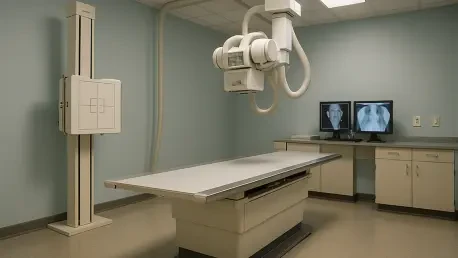
As the Royal Australian and New Zealand College of Radiology (RANZCR) prepares for its 75th Annual Scientific Meeting, scheduled for October 23-25 in Naarm/Melbourne, Australia, the global radiology community stands at a pivotal moment, marking 90 years of groundbreaking contributions to medical
Allow me to introduce James Maitland, a trailblazer in robotics and IoT applications in medicine, whose passion for harnessing technology to revolutionize healthcare solutions has positioned him as a leading voice in the field. In this insightful conversation, we explore the transformative power of