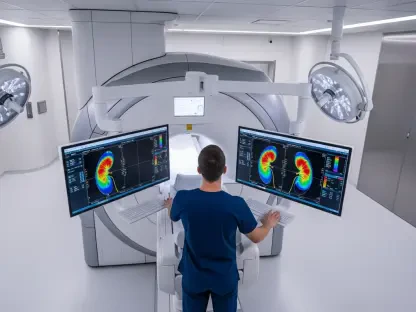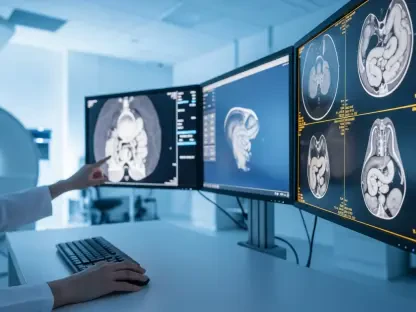
The radiopharmaceutical imaging market stands at the forefront of a transformative era in healthcare, with projections indicating a remarkable surge from $7.02 billion in 2024 to an impressive $12.0 billion by 2035. This growth is driven by a consistent compound annual growth rate (CAGR) of 5.0%

In the heart of Hull city center, a groundbreaking development has emerged that promises to redefine the landscape of local healthcare and urban vitality. The recent opening of a state-of-the-art Community Diagnostic Centre (CDC) on Albion Street marks a significant milestone for residents of Hull
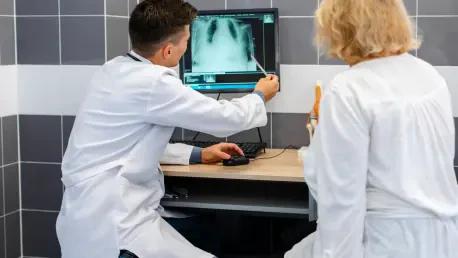
Lung cancer stands as the leading cause of cancer-related deaths across the globe, casting a shadow over millions of lives each year with its devastating impact, and early detection through low-dose chest computed tomography (CT) screenings has emerged as a beacon of hope. Particularly for

In an era where technology continues to reshape healthcare, the field of eye care diagnostics faces a pressing challenge: managing vast amounts of diagnostic imaging data efficiently while ensuring accessibility and security for professionals across diverse settings. Enter a transformative solution
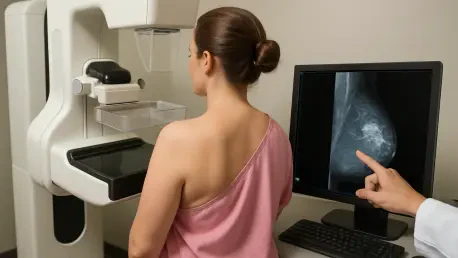
Imagine the joy of expecting a new child suddenly overshadowed by the chilling discovery of a lump in the breast, later confirmed as cancer, striking thousands of women each year and blending the miracle of life with a life-threatening illness. For someone like Stephanie Wysaski, a 35-year-old

Soccer, long considered a safer alternative to high-impact sports like football, hides a significant neurological risk that has recently come under scrutiny, prompting serious concern within the sports community. A groundbreaking study from Columbia University, published on September 18 in JAMA