
James Maitland is a leading figure in the intersection of healthcare technology and insurance regulation, known for his deep understanding of how administrative policies affect the delivery of care across the United States. As a specialist in the systemic frameworks of American medicine, his insights are invaluable for navigating the complex legal challenges currently facing the Affordable Care Act’s enrollment infrastructure. His work often explores how federal mandates influence the frontline professionals who ensure millions of Americans can access reliable health coverage.
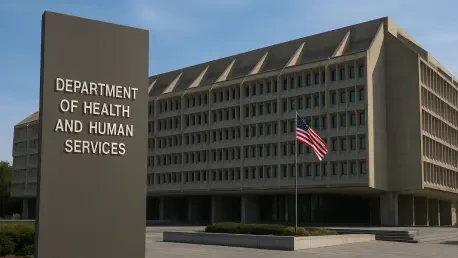
The Department of Health and Human Services recently bypassed the typical public comment period to implement a freeze on new agent registrations for the current enrollment cycle. What are the legal and professional implications of a federal agency moving this quickly without industry feedback?
The decision to sidestep the Administrative Procedure Act is a significant legal gamble that has effectively silenced the voices of more than 100,000 licensed professionals represented by groups like the NABIP. By moving with such immediate effect, the government has essentially bypassed the democratic safeguards that allow small business owners and independent agents to prepare for seismic shifts in their operating environment. The lawsuit filed in the Maryland district court underscores a deep frustration with the lack of statutory authority for such a freeze, suggesting that regulators have overstepped their bounds. From a professional standpoint, this creates a vacuum of trust, as thousands of experts who have spent months training for this moment find themselves locked out of a system they are licensed to serve. It feels less like a measured policy adjustment and more like an abrupt disruption that leaves both the industry and the public in the dark.
With nearly 19,000 agents and brokers now barred from participating in the upcoming enrollment period, how do you see this decision affecting the market dynamics for small businesses and independent agencies?
This moratorium is a heavy blow for the approximately 19,000 professionals who were ready to enter the market and assist consumers during the critical window between November 1 and January 15. Many small agencies have invested significant capital into recruiting and licensing new talent, only to see those investments frozen until at least February 1, which effectively covers the entire open enrollment season. The emotional toll on these new marketers is palpable; they have followed the rules, completed their training, and are now being told their help isn’t wanted until the work is already done. This isn’t just a paperwork delay; it is a loss of livelihood for thousands of independent contractors who rely on this seasonal surge to sustain their businesses throughout the rest of the year. We are seeing a real sense of abandonment among professionals who feel they are being punished for crimes they didn’t commit.
Regulators have argued that this moratorium is a necessary tool to combat fraud and improper enrollments within the exchanges. In your view, is this a targeted solution or an overbroad response that risks catching innocent actors in the crossfire?
While fraud is a legitimate and pressing concern—especially regarding the unauthorized switching of plans—this response feels like using a sledgehammer to fix a watch. The evidence provided by the CMS suggesting that new brokers are the primary drivers of improper sign-ups is incredibly shaky and fails to account for the overwhelming majority of agents who operate with the highest integrity. By banning everyone who didn’t sign people up in the previous year, the administration is treating every new professional as a potential criminal, which is a devastating approach to policy. This “dragnet” strategy ignores the sophisticated safeguards that could be implemented instead, opting for a blunt shutdown that harms legitimate actors. It is a classic case of an overbroad response that prioritizes administrative ease over the nuanced reality of a complex marketplace.
We have seen recent instances where the CMS terminated coverage for over 760,000 individuals, only to later reinstate some of them. How does this history of aggressive enforcement influence the current legal battle over broker registration?
The fact that the CMS had to reinstate coverage for a significant number of those 760,000 people proves that their current “shoot first, ask questions later” approach to fraud prevention is deeply flawed. This history of aggressive enforcement has created a climate of fear and uncertainty, where even consumers who are legitimately enrolled worry their healthcare could vanish overnight due to a bureaucratic error. The current lawsuit is a direct reaction to this pattern of behavior; the industry is saying that enough is enough when it comes to these blunt-force tactics. When you see nearly a million people losing their plans in a single sweep, only to find out the government’s data was incorrect, it emboldens groups like the NABIP to take a stand. It shows that the regulators are currently more focused on clearing the books than they are on ensuring that the actual human beings at the end of the policy have the coverage they need.
What is your forecast for the 2027 open enrollment period given the current legal challenges and the moratorium set to last until February?
The outlook for the 2027 enrollment cycle is currently clouded by a massive cloud of litigation and administrative gridlock that could leave millions of consumers without the guidance they desperately need. If the court does not vacate this rule quickly, we are going to see a significant shortage of available experts to help people shop for coverage, which will likely lead to higher error rates and more consumer confusion. I anticipate a scramble starting in February when the 19,000 barred agents are finally allowed back in, but by then, the most critical window will have closed, leaving a wake of lost opportunities. Ultimately, if the federal government continues to prioritize these broad freezes over surgical fraud prevention, we are heading toward an enrollment season defined by frustration rather than the expanded access the Affordable Care Act was designed to provide. The real test will be whether the courts can compel the CMS to return to a more balanced, legally sound approach before the damage to the broker network becomes permanent.