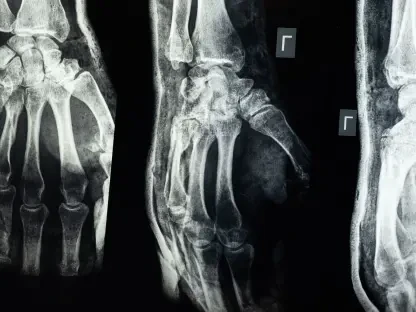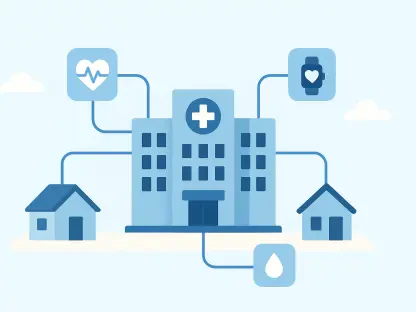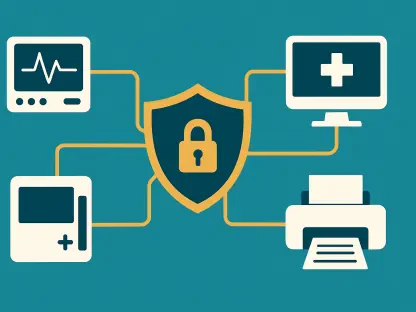

The illicit trade of electronic protected health information has reached a critical tipping point as sophisticated criminal syndicates find that a single patient record can fetch fifty times the price of a standard credit card number on underground forums. This disparity in value exists because medical records are immutable; while a victim can quickly cancel a credit card, they cannot change their blood type, genetic markers, or chronic illness history. Consequently, healthcare providers have become the primary targets for aggressive ransomware groups that utilize multi-extortion tactics to maximize their financial gains. Beyond the immediate disruption of clinical services, the long-term impact involves the weaponization of personal data for insurance fraud, identity theft, and targeted phishing campaigns. As digital transformation accelerates across hospital networks, the surface area for these attacks expands, leaving legacy systems vulnerable to modern exploits. The intersection of high-value data and often-underfunded cybersecurity measures creates a lucrative environment for persistent threat actors.
The Mechanics of Data Exfiltration: Evolution of Ransomware Tactics
Recent shifts in cybercriminal methodology have moved away from simple file encryption toward a more damaging model of data exfiltration paired with public shaming. Threat actors now spend weeks performing lateral movement within hospital intranets, identifying the most sensitive repositories of Patient Health Information (PHI) before initiating any visible encryption. These groups, such as the descendants of the LockBit and BlackCat franchises, often exploit unpatched vulnerabilities in virtual private networks or use stolen credentials gained through sophisticated social engineering. Once inside, they deploy specialized tools to bypass traditional endpoint detection and response systems, ensuring that backup servers are compromised or wiped before the ransom demand is even issued. This meticulous approach ensures that healthcare organizations are forced to choose between paying the ransom or facing the permanent exposure of patient records on leak sites. The operational downtime resulting from these breaches frequently leads to diverted ambulances and postponed surgeries, highlighting the life-threatening consequences of digital insecurity.
The vulnerability of the healthcare sector is compounded by its reliance on a vast ecosystem of third-party vendors, many of which lack the robust security posture of the hospitals they serve. Attackers frequently target secondary service providers, such as billing companies, diagnostic laboratories, or electronic health record software developers, to gain entry into the primary targets. This supply chain vulnerability was notably demonstrated when a single breach at a major claims clearinghouse stalled payments and data transfers for thousands of medical practices across North America. By compromising a central node in the medical supply chain, cybercriminals can exert massive pressure on an entire industry rather than a single entity. Moreover, the integration of Internet of Medical Things (IoMT) devices—from infusion pumps to remote monitoring systems—provides additional entry points that are often difficult to secure. These devices frequently run on outdated operating systems that cannot be patched easily, offering a persistent backdoor for adversaries to maintain long-term access to critical clinical networks.
The Dark Web Marketplace: Defensive Responses and Future Security
Once stolen, medical data is categorized and sold on dark web marketplaces using a tiered pricing structure based on the completeness of the records. A full kit, which includes social security numbers, insurance provider details, medical history, and residential addresses, allows criminals to commit comprehensive medical identity theft. This enables unauthorized individuals to receive expensive treatments, obtain prescription medications, or submit fraudulent claims to government programs and private insurers. The complexity of resolving these issues for the victim is immense, often taking months or years to untangle the financial and clinical discrepancies. Furthermore, the persistence of this data means it can be resold multiple times to different buyers for various purposes. Some buyers specialize in tax fraud, while others use the contact information for highly personalized spear-phishing attacks aimed at the victim’s family or workplace. The resilience of the medical data market is bolstered by automated trading bots that facilitate these transactions, ensuring a steady flow of capital into the pockets of the hackers.
To combat this escalating crisis, industry leaders prioritized the implementation of zero-trust architectures and rigorous data minimization strategies to limit the potential fallout from a breach. Security teams moved beyond reactive measures, adopting proactive threat hunting and real-time monitoring of sensitive databases to detect unauthorized access before data exfiltration could occur. The shift toward decentralized identity management and the use of blockchain-based verification for medical records offered a more secure framework for protecting patient privacy. Healthcare administrators recognized that cybersecurity is a fundamental component of patient safety, leading to increased investments in staff training and incident response simulations. Regulatory bodies also updated compliance standards to require more frequent audits and stricter encryption protocols for data at rest and in transit. These combined efforts focused on building a more resilient infrastructure capable of withstanding the persistent pressure from global cybercrime syndicates. Ultimately, the industry acknowledged that protecting data was as vital as the direct clinical care provided to every patient in the system.