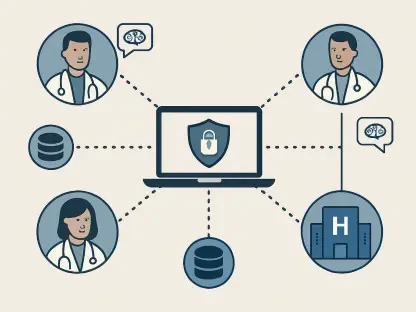

The digital landscape of modern medicine has transformed patient records into highly lucrative targets for cybercriminals who exploit the interconnected nature of third-party service providers. In the aftermath of a massive 2024 data breach that compromised the personal and medical records of over 400,000 patients from Catholic Health, Serviceaide Inc. reached a $1.8 million settlement to resolve consolidated class-action lawsuits. This event underscores a significant crisis in cybersecurity within the healthcare sector, where the outsourcing of sensitive management tasks to external tech firms creates massive vulnerabilities. The breach serves as a stark reminder of the risks associated with these partnerships and raises urgent questions about whether a million-dollar payout is a sufficient remedy for such an intimate violation of privacy. As the legal system attempts to quantify the value of stolen identities, the long-term consequences for the victims remain uncertain and potentially devastating for years.
Analyzing the Mechanics of the Intrusion and Resulting Litigation
Timeline of Exposure: Analyzing the Mechanics of Unauthorized Access
The breach was not a brief or isolated event but rather a sustained and calculated intrusion that persisted from September to November 2024, allowing unauthorized actors ample time to navigate through Serviceaide’s internal systems. During this period, unidentified individuals maintained continuous access to a repository of highly sensitive information, including Social Security numbers, medical histories, dates of birth, and digital login credentials. The delay in detecting the unauthorized access highlighted a critical failure in the monitoring capabilities of the firm’s security infrastructure during the months leading up to the final discovery.
Unlike a standard credit card number, which can be easily canceled and replaced with a new one, these identifiers are permanent and deeply tied to an individual’s legal and medical identity. The exposure of such immutable data creates a perpetual threat of identity theft and fraud for nearly half a million affected individuals. Because this information circulates on the dark web indefinitely, the victims face a lifetime of monitoring their credit reports and medical statements to detect unauthorized activities. The technical failure to sequester sensitive data partitions meant that once the external wall was breached, the entire ecosystem was effectively compromised.
Legal Repercussions: Allegations of Corporate Negligence
In the ensuing legal proceedings, the plaintiffs contended that Serviceaide failed to implement even the most basic cybersecurity safeguards, which directly facilitated the unauthorized access. The consolidated class-action lawsuits brought forward allegations of gross negligence, breach of implied contract, and a significant invasion of privacy against the technology firm. Legal counsel for the victims argued that the company benefited financially from its service contracts while neglecting its fundamental duty to protect patient information from foreseeable digital threats. The lawsuits suggested that the failure to encrypt data constituted a departure from industry standards.
While Serviceaide consistently denied any legal liability or specific wrongdoing throughout the litigation, the company ultimately opted to settle the case for $1.8 million to resolve the claims. This decision was largely driven by the desire to avoid the immense uncertainty and the escalating costs associated with a lengthy courtroom trial that could have lasted for several years. By choosing the settlement route, the firm effectively capped its financial exposure and avoided a formal judgment that might have established a more damaging legal precedent. However, this move left many observers questioning if corporate accountability matches the scale of the harm.
Assessing Remediation Strategies and the Future of Data Privacy
Compensation Frameworks: Tiered Payouts and Documented Losses
The structure of the settlement framework provides victims with two distinct paths for compensation based on the documented harm they experienced following the security incident. Individuals who can provide verifiable evidence of direct financial losses or identity theft specifically linked to the Serviceaide breach are eligible for reimbursements that are capped at $5,000. This tier is designed to cover out-of-pocket expenses such as professional fees for credit restoration, bank charges, and lost time spent dealing with fraudulent activities. The claims process requires victims to navigate a specific portal to receive their funds.
In contrast, those who did not suffer immediate financial damages but still had their private information exposed are eligible to claim a flat $50 cash payment. This secondary tier serves as a generalized recognition of the loss of privacy and the emotional distress caused by the event. Critics and privacy advocates have been vocal about the perceived inadequacy of these payout amounts when weighed against the lifelong risks associated with the exposure of medical data in the criminal underworld. A small, one-time cash payment of $50 hardly offsets the persistent anxiety and the potential long-term repercussions for victims.
Strategic Shifts: Human Rights and Industry Evolution
Organizations such as the Human Rights Resource Center argued that digital privacy had to be treated as a fundamental human right rather than a negotiable business asset. In the landscape of 2026, the healthcare industry witnessed a rapid rise in third-party vulnerabilities as providers integrated more artificial intelligence and external cloud services into their daily operations. This technological integration significantly broadened the attack surface for cybercriminals, making the security of the entire supply chain more critical than it had been in previous years. Experts suggested that companies had to view data security as a responsibility.
To address these systemic vulnerabilities, healthcare organizations and their technology partners established more rigorous auditing standards that prioritized data sovereignty and end-to-end encryption. The industry moved toward implementing mandatory third-party risk assessments that were performed quarterly from 2026 to 2028, ensuring that security protocols evolved alongside emerging threats. These legislative actions forced a redirection of corporate capital from legal defense funds into the development of automated threat detection systems and comprehensive employee training programs. Stakeholders developed a framework that emphasized the ethical handling of patient data as a non-negotiable standard.