
In the rapidly evolving landscape of modern medicine, oncology care has moved far beyond the sterile walls of the hospital, transitioning into the intimate and often complex environment of a patient’s own home. To understand this shift, we are joined by an expert in healthcare management and specialty pharmacy who has spent years refining the “Specialty360” model to ensure that no patient has to navigate the labyrinth of cancer treatment alone. Our conversation delves into the necessity of holistic support, where the focus expands from merely treating a tumor to managing the “whole patient”—addressing everything from the financial burden of high-cost prescriptions to the emotional toll of side effects like hair loss and fertility concerns. We explore how a multidisciplinary approach involving oncology-trained pharmacists, dietitians, and financial specialists can bridge clinical gaps and significantly improve medication adherence in a way that traditional models simply cannot.
The shift toward oral therapies and home-based oncology care has fundamentally changed the patient experience. How does your team ensure that someone managing a complex regimen in their living room receives the same level of care as they would in a clinical setting?
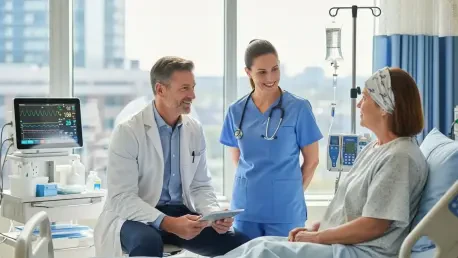
The transition to home-based care is a double-edged sword; it offers the comfort of one’s own surroundings but removes the immediate safety net of a clinical team. To bridge this gap, we utilize a multichannel network that includes over 260 specialty pharmacy locations and a massive footprint of 8,000 retail sites, ensuring that expert support is never more than a few miles away. We recognize that a leukemia patient isn’t just managing their cancer; they are often juggling a complicated dosing schedule alongside medications for chronic conditions like diabetes or high blood pressure. Our Specialty360 model brings together a diverse team—oncology-trained pharmacists, nurses, and dietitians—who act as a constant extension of the patient’s clinical team. We don’t just wait for them to call us; we show up in the moments between appointments, providing regular touch points to ensure they understand where they are in their treatment cycle. By sending home personalized calendars where patients can physically check off each dose, we turn a daunting medical task into a manageable daily routine that keeps them on the path to recovery.
Financial toxicity is a significant barrier that often prevents patients from even starting their life-saving treatments. What specific strategies are employed to help patients navigate the high costs of specialized oncology drugs?
It is a heartbreaking reality that a life-saving drug is useless if a patient cannot afford to pick it up from the counter. We’ve found that even a relatively standard $500 copay can be an insurmountable wall for many families, which is why our reimbursement specialists and billing teams start coordinating the moment a prescription is received. By integrating digital platforms like TailorMed, we can quickly identify grants, foundation support, and copay assistance programs that the patient might not even know exist. The impact of this proactive financial navigation is profound: in the first half of 2024, 56% of our specialty pharmacy patients paid exactly $0 out of pocket for both their cancer therapy and their other medications. We often tell our patients that while we could get them a drug on the same day with a high cost, taking just one extra day to secure financial aid can reduce that cost to zero, which provides a level of relief that is just as vital as the medicine itself.
Medication adherence is notoriously difficult in oncology due to the severity of side effects. How has your approach allowed you to reach an adherence rate of 92%, significantly outpacing the industry standard?
Reaching a 92% medication adherence rate, compared to the industry benchmark of 80%, is the result of thousands of small, intentional interactions that build a complete picture of the patient’s life. We understand that “non-adherence” isn’t usually a choice made out of stubbornness; it’s a reaction to the physical and emotional toll of the therapy. Our pharmacists are trained to anticipate side effects before they even begin, conducting thorough reviews during the onboarding process so the patient knows exactly what to expect. By screening 100% of our oncology patients for treatment-related symptoms during every single consultation, we can catch issues like debilitating nausea or fatigue before they lead a patient to skip a dose. This proactive vigilance, combined with the convenience of our physical and digital touch points, creates a support system where the patient feels empowered rather than overwhelmed.
Side effects like nausea and vomiting can be debilitating enough to derail treatment entirely. What have your screenings revealed about the gaps in traditional symptom management?
Our data has uncovered a startling gap in traditional oncology care: despite clear clinical guidelines recommending anti-nausea medications, we found that 47% of the patients we screened did not have an anti-nausea prescription when they started their therapy. This is where our role as a clinical extension becomes critical, as we can immediately work with providers to ensure these symptoms are addressed before they become an emergency. Nausea isn’t just a physical discomfort; it’s a sensory experience that can change how a patient views their food and their environment, often leading to weight loss and weakness. By catching these gaps early, we ensure that the patient has the supportive medications they need to maintain their quality of life. We often involve caregivers in these early conversations as well, sometimes using speakerphone so that a spouse or child understands how to manage these side effects at home, creating a 360-degree circle of care.
Cancer care often impacts a patient’s identity and self-esteem through visible changes like hair loss or skin issues. How do you address these “non-clinical” aspects of the journey?
We firmly believe that a patient is much more than their diagnosis, and part of healing is feeling like yourself again even when your body is under immense stress. For those facing visible side effects from radiation or chemotherapy, such as skin sensitivity or thinning hair, we offer the Feel More Like You service. This program connects patients with beauty and wellness consultants at our retail locations who are specifically trained to recommend products that have been vetted as safe for use during active cancer treatment. Seeing the relief on a patient’s face when they find a skin cream that doesn’t irritate their sensitive skin or a product that helps them feel more confident is a powerful reminder of why we do this. It’s about preserving dignity and providing a sense of normalcy in a time that feels anything but normal.
Nutrition and diet can become major hurdles during treatment as tastes change and appetites disappear. What role does your dietitian program play in the recovery process?
Oncology therapies are notorious for altering a patient’s sense of taste—what used to be a favorite meal might suddenly taste metallic or unappealing, which can lead to rapid nutritional decline. To address this, we recently launched a dietitian program specifically tailored to the unique needs of oncology patients, helping them find foods that are both palatable and nutrient-dense. It’s not just about “eating healthy” in a generic sense; it’s about practical strategies to manage the specific ways a drug might change their relationship with food. For example, if a patient is struggling with mouth sores or a lack of appetite, our dietitians provide actionable advice to keep their strength up so they can continue their therapy. This nutritional support is a key pillar of our whole-patient strategy, ensuring that the body has the fuel it needs to fight the disease while the medication does its work.
Family planning and fertility are often overlooked in the rush to begin treatment, yet they are vital to a patient’s long-term goals. How do you ensure these conversations happen before it’s too late?
For our younger patients, a cancer diagnosis feels like a sudden halt to their future, and the urgency to start treatment often leaves little room for discussions about family planning. We discovered that roughly 20% of patients had not even discussed fertility options with their doctors before our care teams stepped in to ask the question. Our goal is never to delay life-saving therapy, but we recognize that for many, the hope of building a family is a primary motivation for getting well. When we identify this gap, we can coordinate same-day fertility consultations to ensure that patients are informed and empowered to make choices that align with their long-term visions. It’s about looking past the immediate crisis to the life the patient wants to lead once they are in remission.
What is your forecast for the future of personalized oncology support as treatments become even more targeted?
I believe we are moving toward a future where the distinction between a “pharmacy” and a “care clinic” will continue to blur, with data-driven insights allowing us to provide even more predictive and personalized interventions. As therapies become more targeted, the side effect profiles will become more specific, requiring an even higher level of specialized knowledge from the pharmacists and nurses on the front lines. We will likely see an increased integration of digital health tools that monitor patient vitals in real-time, allowing us to intervene the second a side effect begins to manifest. Ultimately, the future of oncology isn’t just in the lab where the drugs are developed, but in the community-based support systems that ensure these miracles of science actually reach the patient and work as intended. Success will be measured not just by survival rates, but by the quality of life and the sense of empowerment we can provide to every person who walks through our doors.