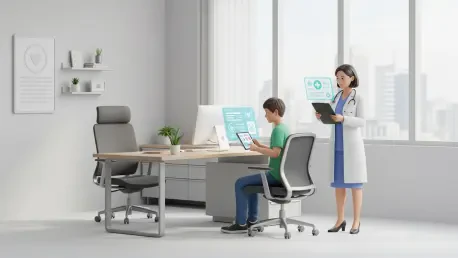

Adolescence serves as a critical bridge between childhood dependency and adult self-sufficiency, a transition that is perhaps most visible within the clinical walls of a healthcare provider’s office. As a teenager matures, the traditional model of pediatric care—where a parent acts as the primary historian and decision-maker—must evolve into a more patient-centered approach that prioritizes the young person’s autonomy. This shift is not merely a formality but a developmental necessity, as adolescents need to learn how to navigate the complexities of medical systems, articulate their symptoms, and understand the nuances of their own health history. However, achieving this balance remains a persistent challenge for many American families. While parents often express a desire to foster independence, their protective instincts and long-standing habits frequently result in a level of involvement that can inadvertently stifle a teen’s growth. This dynamic creates a complex environment where the need for privacy and the reality of parental oversight are constantly in tension, shaping the way healthcare is delivered and received during these formative years.
The Influence of Parental Logistics and Presence
The administrative and logistical aspects of healthcare, ranging from scheduling appointments to completing detailed intake forms, often remain firmly within the domain of the parent even as the child reaches late adolescence. Data suggests that a vast majority of parents of teenagers aged 13 to 17 continue to take the lead on filling out health history and screening documents, which are essential tools for self-advocacy. By assuming these responsibilities, parents inadvertently bypass critical “teachable moments” that could help their children develop the health literacy required for adulthood. When an adult provides the primary narrative for a medical visit, the teenager is often relegated to the role of a passive observer, which can prevent them from learning how to describe their own physical or emotional symptoms accurately. This pattern of behavior is frequently driven by a desire for efficiency or accuracy, yet it misses the broader goal of preparing the adolescent to manage their own healthcare needs in the very near future.
Furthermore, the physical presence of a parent during the entirety of a medical examination remains the standard practice for many families, often regardless of the teen’s age. While this presence is usually rooted in a genuine desire to provide emotional support or to ensure that no vital medical information is overlooked, it fundamentally alters the communication dynamic between the patient and the provider. For younger adolescents, having a parent in the room can create a psychological barrier that discourages them from speaking openly about their concerns or asking clarifying questions. This habit of constant parental attendance often persists into the late teenage years, significantly delaying the point at which a young person feels confident enough to interact with a medical professional on a one-on-one basis. Without the space to practice these interactions, the transition to independent adult care becomes a much steeper learning curve than it needs to be, potentially leading to discomfort or avoidance of medical services later in life.
Barriers to Private Consultations and Clinical Initiative
National health guidelines have long emphasized the importance of private consultations between healthcare providers and adolescent patients to facilitate honest discussions regarding sensitive topics such as mental health, social pressures, and lifestyle choices. Interestingly, a significant majority of parents acknowledge the theoretical value of these private sessions, recognizing that they can foster a stronger sense of responsibility and trust. However, a notable discrepancy exists between this intellectual support and the practical implementation of such privacy during actual checkups. Many families report that one-on-one time between the teen and the doctor rarely occurs, indicating that the ideal of adolescent confidentiality is often sacrificed in favor of established routines. This disconnect suggests that while the concept of privacy is respected in the abstract, the structural and social barriers within the clinic environment often prevent it from becoming a consistent reality for most teenagers.
The primary obstacle to these private interactions is frequently identified as a lack of initiative from the clinical side rather than active resistance from the parents. Many caregivers note that the healthcare provider simply does not offer or suggest a separate session with the teenager, leading the family to follow the status quo of remaining together. In many cases, the provider may be focused on time management or may assume that the parent prefers to stay, while the parent may be waiting for a professional recommendation to step out. Without the clinician “normalizing” the request for private time as a standard part of every adolescent visit, many families feel it is socially awkward to initiate the change. This systemic inertia effectively prevents teenagers from building a direct, confidential rapport with their doctors, which is a foundational skill for their future as autonomous health consumers. Shifting this dynamic requires a proactive effort from medical practices to establish clear protocols that prioritize teen-centric communication.
Navigating the Ethics of Confidentiality and Records Access
One of the most complex and frequently debated issues in modern adolescent healthcare involves the extent of parental access to medical records and online patient portals. A significant number of parents hold the firm belief that they should maintain full access to their child’s health information until the legal age of 18, viewing it as an essential part of their protective role. However, this expectation often runs into conflict with state laws and healthcare policies designed to protect the confidentiality of minors seeking specific services, such as mental health support or reproductive care. There is often a profound lack of clear communication from medical clinics regarding these privacy boundaries, leaving many parents unaware of how access might be restricted as their child grows older. This information gap can lead to significant friction and a sense of betrayal when a parent discovers they have been “locked out” of certain parts of their child’s clinical notes or test results.
Despite the potential for domestic tension, maintaining these layers of privacy is essential for the integrity of health data and the overall safety of the adolescent patient. If a teenager believes that every word they say to a provider or every response on a depression screening will be scrutinized by a parent, they are far less likely to provide honest answers. This lack of transparency can lead to missed diagnoses, ineffective treatment plans, and a general breakdown in the therapeutic relationship. To resolve this, healthcare providers must take a much more active role in explaining the legal and ethical “why” behind confidentiality to both parties. By framing privacy not as a way to hide secrets, but as a clinical tool to ensure the most accurate care possible, providers can help parents understand that a measured amount of independence today will likely lead to a much healthier and more honest relationship with the medical system in the long run.
Establishing New Standards for Adolescent Medical Autonomy
The transition toward adolescent medical independence was most successfully managed when healthcare providers and parents collaborated to create a structured path for autonomy. Rather than viewing the shift as an abrupt loss of parental control, successful models treated it as a gradual handoff of responsibility that began in early adolescence. Providers took the lead by making private time a non-negotiable part of every visit, which removed the burden of choice from the parents and normalized the experience for the teen. Simultaneously, clinical staff encouraged teenagers to take ownership of the administrative side of their visits, such as checking themselves in at the front desk or filling out their own health questionnaires. These small, incremental steps proved to be highly effective in building the confidence and competence required for the teenager to eventually navigate the adult medical world without a guardian’s constant oversight.
Parents played a vital role in this evolution by shifting their focus from being the primary communicator to becoming a supportive consultant. This required a conscious effort to resist the urge to answer every question on behalf of the teen and instead allowing the young person to struggle through their own explanations during the appointment. When parents were clearly informed about the limitations of patient portal access and the reasons for clinical confidentiality, they were more likely to respect the boundaries established by the healthcare provider. This collaborative approach ensured that while the parent remained a critical part of the support system, the teenager was given the necessary room to develop their own voice. Moving forward, the integration of health literacy education into routine pediatric care will be essential to ensure that the next generation is fully prepared to manage their well-being. By prioritizing the teen’s direct engagement today, families and providers have laid the groundwork for a more resilient and informed adult population.