
The rapid expansion of the digital health market in the United Arab Emirates has created a unique environment where luxury design and advanced clinical metrics are expected to coexist seamlessly in wearable technology. As residents increasingly prioritize preventative wellness, the arrival of sophisticated biometric devices has transformed how health is managed on a daily basis. The current landscape in Dubai and Abu Dhabi shows a significant shift toward discreet, high-performance electronics that offer more than just basic step counting. This trend is driven by a sophisticated consumer base that values both aesthetic elegance and data integrity. In this context, the latest iteration of the smart ring has emerged as a frontrunner, challenging the dominance of traditional wrist-based trackers. The focus is no longer just on recording activity but on understanding the complex interplay between sleep quality, cardiovascular strain, and recovery. This evolution reflects a broader commitment to long-term vitality across the region.
Sophisticated Engineering: The Convergence of Style and Substance
Advanced Sensor Technology and Biometric Precision
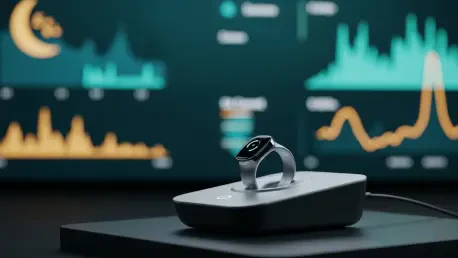
The fifth generation of this circular wearable represents a significant leap forward in hardware miniaturization, utilizing a redesigned sensor array that sits flush against the skin for improved accuracy. By eliminating the raised bumps found in previous models, the device ensures consistent contact with the finger, which is crucial for capturing high-fidelity heart rate variability and blood oxygen levels throughout the day and night. The use of Grade 5 titanium provides a lightweight yet incredibly durable exterior, capable of withstanding the rigors of an active lifestyle while maintaining a professional appearance. This engineering feat allows for a battery life that now spans over a full week, a critical factor for users who prefer not to interrupt their data streams with frequent charging cycles. Furthermore, the inclusion of more sensitive thermistors allows for the detection of minute changes in skin temperature, providing early warnings for potential illness or physiological stress.
Beyond the physical components, the sophisticated algorithms driving the device have been refined to process complex biological signals into actionable insights that resonate with the modern health enthusiast. The implementation of a new cardiovascular age metric provides a long-term view of heart health, comparing arterial stiffness and pulse wave velocity against peer averages to offer a clearer picture of internal aging. This data is complemented by a stress monitoring feature that identifies moments of high physiological tension in real-time, suggesting breathing exercises or recovery periods to maintain balance. The software now also includes specialized tracking for metabolic health, utilizing temperature and activity patterns to predict energy fluctuations throughout the day. For the local market, the integration of regional health data has improved the accuracy of these readings, ensuring that environmental factors such as extreme heat are accounted for in the overall recovery score.
Strategic Integration: The Impact on Regional Wellness
The adoption of such advanced biometric tools proved to be a pivotal moment for the regional wellness sector, as it successfully shifted the focus toward a more holistic and data-driven approach to personal care. It was observed that the ability to track sleep cycles and recovery with high precision led to a measurable improvement in the quality of life for early adopters in the UAE. To maximize the benefits of this technology, individuals were encouraged to utilize the long-term trend reports to collaborate more effectively with healthcare providers and nutritionists. Moving forward, the integration of wearable data into broader national health initiatives should be considered a priority to foster a culture of proactive wellness. Those seeking to optimize their performance were advised to focus on the balance between activity and rest, as highlighted by the device’s comprehensive readiness scores. Ultimately, the transition to these monitors demonstrated that meaningful health insights did not require bulky hardware.