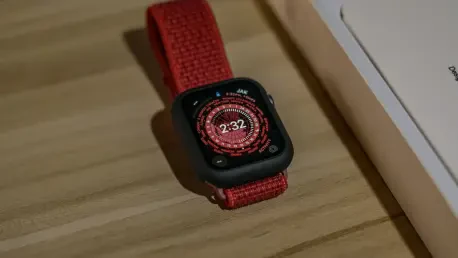

Although mainstream wearables like the Apple Watch feature fall sensors, they lack the specialized private dispatch infrastructure found in professional medical alert services. As the demographic landscape continues to shift in 2026, the priority for many families is ensuring that aging adults can remain in their own homes safely. These systems have moved far beyond the simplistic plastic buttons of the past, evolving into complex technological ecosystems that provide a multilayered safety net. The selection process is no longer just about price but involves a deep dive into how a device integrates with a user’s daily life, cognitive needs, and physical environment. By understanding the intersection of hardware reliability and professional emergency response, consumers can make an informed decision that preserves independence while offering immediate support when it is most critical. This transition toward sophisticated safety tools represents a significant advancement in how technology serves the aging population, making the choice of a specific system a cornerstone of modern elder care planning.
Integrating Advanced Location Tracking for Caregiver Support
The integration of Global Positioning System technology has revolutionized the efficacy of medical alert systems, particularly for those who maintain an active lifestyle outside their primary residence. Modern units utilize high-precision GPS to ensure that if an emergency occurs while a user is walking in a park or visiting a grocery store, help can be dispatched to their exact coordinates. Different manufacturers approach the presentation of this data in various ways to suit caregiver preferences. Some companies provide sophisticated mobile applications that offer real-time location updates and historical movement data, while others maintain a more streamlined approach by sending location information via automated text messages. This flexibility allows family members to choose a monitoring method that fits their technological comfort level, ensuring that the safety net remains visible and reliable without becoming intrusive to the user’s sense of privacy.
In 2026, the reliability of these location-based services is the primary metric for quality in the medical alert industry. High-tier providers subject their hardware to extensive testing across diverse geographic environments, from high-density urban canyons where buildings can interfere with signals to remote rural areas with limited cellular coverage. These tests confirm that top-rated devices can maintain a lock on satellite signals and switch between cellular towers to provide consistent coverage. For individuals who may be prone to wandering due to cognitive conditions, this pinpoint accuracy is often the difference between a minor incident and a serious medical emergency. Caregivers increasingly rely on these tools to provide a balance between autonomy for their loved ones and the necessary oversight required to manage risks effectively in an unpredictable world, highlighting the essential nature of robust technical connectivity in any safety device.
Hardware Performance: Balancing Functionality and Battery Life
The physical form of a medical alert device dictates its utility and how easily it can be integrated into a user’s daily routine. Currently, the market is divided among smartwatches, traditional pendants, and stationary home units, each offering distinct advantages regarding battery longevity. Smartwatches are often favored for their multi-functional nature and modern appearance, yet they generally require daily charging cycles to maintain their advanced features. This frequent need for power can be a significant hurdle for users with memory issues or those who find small charging docks difficult to manipulate. In contrast, dedicated pendant systems are designed with a single-purpose focus that allows for far greater energy efficiency. These devices often last for several days or even weeks on a single charge, providing a more consistent safety layer for individuals who may forget to charge their electronics every evening.
To mitigate the inherent risk of a device losing power at a critical moment, manufacturers have implemented sophisticated notification protocols within their hardware. Many units now feature auditory voice prompts or prominent visual indicators, such as color-coded blinking lights, to warn the user when the battery level drops below a certain threshold. At-home systems are typically tethered to a permanent power source but include internal backup batteries that can sustain operations for up to thirty-two hours during a local power outage. This redundancy is vital for users in areas prone to seasonal storms or grid instability. When selecting a system, the most effective choice is the one that aligns with the user’s physical ability to manage maintenance tasks, ensuring that the hardware remains functional and ready to transmit a signal the moment a fall or medical event occurs without becoming a source of constant stress or technological frustration.
Prioritizing Daily Comfort and Environmental Resilience
For any safety wearable to be successful, it must be worn consistently, making user comfort a paramount consideration in the purchasing process. Devices are now constructed from lightweight, hypoallergenic materials designed for 24/7 wear, even for those with sensitive skin. The psychological barrier to wearing a medical alert is also being addressed through improved aesthetics, as many modern units are designed to look like high-end jewelry or standard fitness trackers. This shift toward discreet design helps reduce the stigma often associated with medical equipment, encouraging users to keep their devices on their person at all times. If a pendant is too heavy or a wristband is poorly designed, it is more likely to be left on a nightstand or in a drawer, rendering it useless during a sudden emergency that takes place away from the immediate vicinity of the charging base.
Environmental durability is another non-negotiable factor, especially considering that a high percentage of accidental falls occur in wet environments like bathrooms. Consumers must ensure that their chosen device carries a high water-resistance rating, making it safe for use in the shower or tub. Furthermore, the internal technical connectivity must match the user’s specific geographic location to ensure a reliable signal. Whether a system relies on a landline or a cellular carrier like AT&T or Verizon, the strength of that network in the user’s home and surrounding neighborhood is the ultimate factor in performance. Experts recommend performing signal tests in different rooms of the house to identify any dead zones that could compromise safety. By choosing a device that is both comfortable to wear and resilient enough for daily environmental challenges, users can ensure that their safety network remains active and accessible regardless of where they are or what they are doing.
Financial Strategies: Navigating Costs and Insurance
The financial commitment required for a high-quality medical alert system involves both the initial equipment purchase and the ongoing cost of professional monitoring. In the current market, monthly subscription fees generally fluctuate between $25 and $45, with advanced features like automatic fall detection typically requiring an additional monthly surcharge. While some providers offer equipment for free as part of a long-term contract, others charge an upfront fee for specialized hardware such as smartwatches. To manage these expenses effectively, consumers should explore various cost-saving strategies, such as seeking out promotional periods from 2026 to 2028 where equipment costs are often reduced or waived. Paying for service on an annual or quarterly basis can also lead to significant savings over time compared to monthly billing cycles, making the technology more accessible for those on a fixed income.
Insurance coverage for medical alert systems remains a complex landscape that requires careful navigation. Although Original Medicare typically does not provide direct coverage for these devices, many Medicare Advantage plans have begun to offer benefits that include reimbursements or subsidized equipment. Private insurance companies may also offer financial support if a physician provides a formal prescription stating that the device is a medical necessity for the patient’s safety. For veterans, the Department of Veterans Affairs often provides coverage options, though this usually requires a consultation to establish the clinical need for monitoring. Additionally, utilizing funds from Health Savings Accounts or Flexible Spending Accounts is a common and effective way to pay for these services using pre-tax dollars. By thoroughly investigating these different financial avenues, families can secure a reliable safety solution without creating an undue burden on their household budgets.
Automatic Fall Detection and the Human Element
Automatic fall detection represents a significant leap in safety technology, utilizing sophisticated accelerometers and barometric sensors to identify the rapid changes in motion and pressure that characterize a fall. This technology is specifically designed to act as a secondary safeguard for situations where a user might be rendered unconscious or is physically unable to press their manual help button. While the algorithms governing these sensors have become increasingly accurate, experts emphasize that no automated system is currently infallible. The sensors can sometimes misinterpret vigorous movements, such as sitting down quickly or exercising, as a fall event. Because of this potential for false alarms, it is essential to choose a provider that maintains a professional and patient response staff capable of verifying the user’s status without imposing penalties for accidental triggers.
The effectiveness of fall detection is heavily dependent on the quality of the monitoring center’s infrastructure and the training of its operators. When an automatic signal is triggered, a trained professional at a 24/7 monitoring center immediately attempts to establish a voice connection with the user to assess the situation. This human element is what separates a professional medical alert from a simple automated call to emergency services. In testing environments, certain brands like Medical Guardian have shown superior accuracy in detecting simulated falls, yet the universal advice remains to manually press the button whenever possible. The combination of high-tech sensor data and human judgment creates a comprehensive support system that accounts for the unpredictability of human movement. This balanced approach ensures that help is always on the way during a genuine crisis, while also providing a buffer against the technical limitations of current sensor technology.
Historical Synthesis: Selecting a Tailored Support Network
The comprehensive evaluation of medical alert systems in 2026 revealed that the most successful implementations were those that prioritized a balance between technological capability and user compliance. It was found that systems offering high fall detection accuracy and robust GPS tracking significantly improved the outcomes for seniors who experienced incidents away from home. The data showed that users who felt comfortable with the aesthetics and physical weight of their devices were nearly forty percent more likely to be wearing them at the time of a fall. Furthermore, the analysis confirmed that the presence of a dedicated, private monitoring center provided a more nuanced and effective response than general consumer wearables, as dispatchers had immediate access to critical medical histories and emergency contact protocols. These findings underscored the importance of viewing the medical alert system as a holistic service rather than just a piece of hardware.
Moving forward, consumers are encouraged to use a detailed evaluation framework that includes testing cellular signal strength and verifying the water-resistance ratings of any potential device. The most effective strategy for ensuring long-term safety involves a collaborative discussion between the user, their family, and medical professionals to determine which hardware features are most appropriate for the individual’s specific lifestyle and health profile. Looking toward future developments from 2026 to 2028, the industry is expected to further refine sensor precision and integrate more advanced biometric monitoring, such as heart rate and oxygen saturation levels, into standard alert units. By staying informed about these technological shifts and utilizing available financial resources like HSA funds or VA benefits, families can establish a safety network that is both durable and adaptable to the changing needs of an aging loved one. The ultimate goal remains the creation of a secure environment that empowers individuals to live independently with confidence.