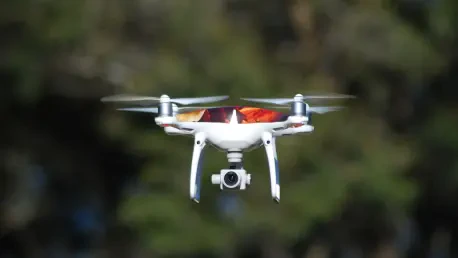

Data indicates that over seventy-six percent of tuberculosis patients receive their diagnostic results by the next day when drones are utilized for sample transportation. This shift is a radical departure from the traditional logistics chain in India’s mountainous regions. Historically, mountainous terrain and poor road infrastructure in states like Uttarakhand or Himachal Pradesh forced healthcare workers to travel hours by foot or bus to deliver sputum samples. This delay often meant that patients waited over a week for results, during which time they could unknowingly spread the infection. The integration of unmanned aerial vehicles (UAVs) into the public health supply chain effectively bypasses these geographic barriers. By utilizing autonomous flight paths, these drones can traverse rugged valleys in minutes, ensuring that biological samples remain viable and reach laboratory centers within the critical window required for accurate testing. This technological leap not only optimizes speed but also standardizes the quality of care available to the most remote populations.
Economic Efficiency: Reducing the Financial Burden on Public Health
The transition from land-based courier services to aerial distribution networks significantly lowers the per-sample cost of diagnosis. In conventional models, the expenses associated with fuel, vehicle maintenance, and human labor for long-distance transport in the Himalayas often exceeded the budget allocations of local clinics. Recent studies demonstrate that drone-based logistics can reduce these operational expenditures by nearly forty percent compared to traditional methods. These savings are primarily driven by the reduction in transit time and the elimination of the need for specialized refrigerated trucks for every individual sample batch. Furthermore, drones allow for a centralized laboratory model where high-end diagnostic equipment like GeneXpert machines can be localized in major hubs while serving a vast network of tiny mountain outposts. This concentration of resources prevents the need for duplicating expensive infrastructure across every village, allowing the government to reinvest saved capital into medicine procurement and community outreach programs.
Beyond the immediate logistical savings, the economic impact extends to the patients themselves, who often belong to low-income agricultural families. Before the implementation of UAV delivery systems, a suspected tuberculosis patient would frequently need to travel multiple times to a district hospital—first for the test and later for results or treatment initiation. Each trip involves lost wages and high transportation costs that could push a family further into poverty. By providing results within twenty-four hours via digital reporting and drone-facilitated sample collection at local health centers, the system eliminates these indirect costs. The promptness of the diagnosis ensures that patients can begin their treatment regimen immediately at the nearest clinic, preventing the progression of the disease which would otherwise lead to more expensive hospitalizations or long-term disability. This holistic reduction in the cost of care ensures that tuberculosis screening becomes accessible to everyone, regardless of their financial status or geographic location.
Infrastructure Challenges: Overcoming Geographical and Technical Barriers
Operating drone networks in the diverse climates of the Indian subcontinent requires a robust technical framework capable of handling extreme weather and high altitudes. Modern drones deployed for these medical missions are equipped with specialized thermal-controlled compartments that maintain the integrity of sputum samples during flight, even when temperatures fluctuate drastically. These aircraft utilize advanced satellite navigation and obstacle avoidance systems to navigate through fog-heavy valleys and narrow mountain passes where traditional aviation would struggle. Unlike standard commercial drones, these medical-grade units are designed for vertical take-off and landing (VTOL), which eliminates the need for runways in densely forested or rocky areas. The operational success depends on the deployment of local technicians who are trained to manage the flight schedules and battery swapping protocols. This localized expertise creates a sustainable ecosystem where the technology is not just an outside intervention but a community-managed asset that enhances the overall resilience of the rural healthcare network.
To ensure the long-term sustainability of these aerial networks, health officials established clear actionable next steps that focused on infrastructure and policy. These solutions included the development of solar-powered charging stations at remote mountain outposts to maintain operational readiness without relying on unstable power grids. Furthermore, the integration of artificial intelligence into the dispatch system allowed for predictive modeling of disease hotspots, ensuring that drones were pre-positioned where they were most needed. Public health administrators also prioritized the creation of a unified airspace management protocol, which facilitated safe coordination between emergency medical flights and commercial traffic. By focusing on these integrated solutions, the government demonstrated how technology could be successfully embedded within the existing healthcare framework. These advancements ultimately proved that consistent investment in technical training for local health workers was the most effective way to maintain these sophisticated systems in the field.