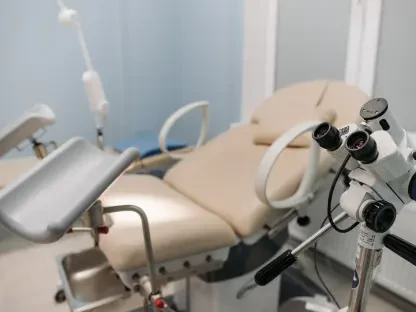

Silent vision loss remains one of the most significant challenges in modern ophthalmology, as glaucoma often progresses without noticeable symptoms until irreversible damage has already occurred. Traditional diagnostic methods, while effective, frequently rely on bulky and stationary equipment that can be intimidating for patients and logistically difficult for clinics with limited space. The landscape of eye care is undergoing a profound transformation as medical technology leaders seek to integrate more flexible, patient-centric solutions into their diagnostic portfolios. By moving away from the rigid structures of legacy hardware, providers are discovering that immersive technology can offer a more comfortable and intuitive experience for individuals undergoing routine screenings. This shift is not merely about convenience but is a fundamental reassessment of how clinicians gather critical data to prevent blindness. The collaboration between ZEISS and Envision represents a pivotal moment in this evolution, combining decades of optical expertise with cutting-edge virtual reality to redefine the standards of glaucoma detection and long-term management.
Integrating Virtual Reality into Clinical Perimetry
Enhancing Patient Comfort and Diagnostic Flexibility
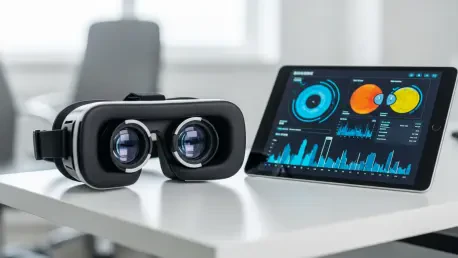
The implementation of virtual reality headsets for visual field testing marks a significant departure from the conventional Humphrey Field Analyzer, which has long been the gold standard in the industry. By utilizing a portable headset, clinicians can now conduct perimetry in a variety of settings, ranging from traditional examination rooms to more flexible community health centers. This portability is particularly beneficial for patients who may have mobility issues or those who find it difficult to maintain the rigid posture required by traditional bowl-shaped perimeters. The Envision platform allows for a more natural testing environment where the patient is not confined to a dark room or a fixed chin rest, thereby reducing the anxiety often associated with ophthalmic examinations. Furthermore, the immersive nature of the headset helps to eliminate external distractions, ensuring that the patient remains focused on the visual stimuli. This level of engagement is crucial for obtaining reliable data as small lapses in concentration can lead to inconsistent results.
Precision and Accuracy in Digital Ophthalmic Monitoring
Beyond the physical comfort provided by the hardware, the integration of advanced software algorithms ensures that the diagnostic output remains consistent with the rigorous standards established by traditional perimetry. ZEISS has contributed its extensive knowledge in data analysis and clinical validation to ensure that the results generated by the portable headset are both accurate and reproducible. This partnership focuses on bridging the gap between legacy diagnostic data and new, digitally-native testing formats, allowing for a seamless transition for practices looking to modernize their equipment. The software platform is designed to provide real-time feedback to both the patient and the technician, identifying potential errors during the test and allowing for immediate adjustments. This proactive approach to data quality minimizes the need for repeat testing, which saves valuable time for both the clinic and the patient. As these tools become more prevalent, the ability to monitor disease progression through a variety of digital interfaces will become standard.
Expanding the Scope of Remote Vision Monitoring
Decentralizing Care Through Digital Connectivity
One of the primary advantages of this collaborative effort is the potential to expand high-quality diagnostic services to underserved populations who may lack access to specialized eye care centers. The lightweight and battery-operated nature of the VR hardware makes it an ideal tool for mobile clinics and outreach programs that operate in rural or economically disadvantaged regions. By decentralizing the diagnostic process, the partnership aims to identify glaucoma in its earliest stages, when intervention is most effective at preserving sight. Digital connectivity plays a central role in this strategy, as the data collected by the headset can be transmitted securely to the ZEISS health data platform for review by specialists located anywhere in the world. This tele-ophthalmology approach not only improves the speed of diagnosis but also allows for a more collaborative care model between general practitioners and sub-specialists. The ability to monitor a patient’s condition remotely is a critical component of modern healthcare as the population ages.
Sustainable Strategies for Long-Term Vision Preservation
To maximize technology benefits, medical centers adopted standardized training protocols for technicians operating VR equipment in non-traditional settings. This approach ensured that data quality remained high regardless of the testing environment, allowing for consistent patient outcomes. Leaders in the field recommended a phased implementation strategy, where digital perimetry initially supplemented traditional testing before becoming a primary screening tool for low-risk populations. By prioritizing these steps, practices successfully navigated the transition to modern eye care, demonstrating that the move away from stationary hardware was both practical and clinically sound as the industry progressed through 2026 and toward 2028. The shift toward digital-first diagnostics ultimately provided a blueprint for other medical specialties looking to decentralize complex testing and bring specialized care directly to the patient’s doorstep. This evolution emphasized that sustainable vision preservation requires a combination of high-fidelity optics and accessible, mobile diagnostic platforms.