
The critical shortage of viable organs for cardiac transplantation has reached a tipping point where the medical community can no longer rely solely on traditional decision-making frameworks to manage the growing waitlist. While approximately 4,000 individuals in the United States currently await a life-saving heart transplant, a paradoxical reality persists: nearly 70 percent of available donor hearts are discarded every year. This massive underutilization does not stem from a lack of technical skill, but rather from the high-pressure environment in which surgeons must operate. Decisions regarding organ suitability are frequently squeezed into a narrow 15-to-30-minute window, forcing clinicians to synthesize complex donor histories, lab results, and imaging data under extreme duress. This cognitive burden often leads to a conservative bias, where organs with minor irregularities are rejected out of an abundance of caution, even when those hearts could have successfully sustained a recipient’s life.
Predictive Analytics and Diagnostic Precision
Harnessing DatNormalizing the Use of Marginal Organs
To address the subjective nature of donor assessment, researchers have introduced advanced computational models like the Tool Predicting Heart Acceptance for Transplant, or TOPHAT. This web-based platform utilizes machine learning to evaluate twenty distinct donor characteristics, drawing from a massive repository of historical transplant data to provide a statistical probability of organ acceptance. By grounding the decision-making process in empirical evidence rather than gut feeling, TOPHAT allows surgeons to see how a specific donor heart compares to thousands of others that were successfully transplanted in the past. This shift from anecdotal experience to data-driven insight is essential for expanding the criteria of what constitutes a “good” heart. Instead of viewing a donor through the lens of individual risk factors, the system provides a holistic view of the organ’s potential, helping to bridge the gap between perceived risk and actual clinical outcome for patients.
The implementation of predictive modeling specifically targets the systemic biases that often lead to the rejection of so-called “marginal” organs. In many clinical settings, hearts from older donors or those with a history of substance use are reflexively discarded due to long-standing institutional protocols or personal risk aversion. However, TOPHAT’s sophisticated algorithms often reveal that many of these hearts possess physiological profiles identical to those traditionally accepted by elite transplant centers. By placing a specific donor’s data within a broader national context, the technology encourages clinicians to reconsider viable organs they might have otherwise dismissed. This recalibration of risk assessment is crucial, as it allows the medical community to salvage hundreds of hearts that were previously lost to the waste bin of history. Consequently, the focus shifts from finding the perfect heart to identifying every heart capable of providing a successful outcome for a patient in desperate need.
Automated Vision: Redefining Clinical Image Interpretation
Beyond the analysis of historical data, artificial intelligence is making significant strides in the interpretation of donor heart function through automated echocardiogram analysis. The ejection fraction, which measures the volume of blood the left ventricle pumps with each contraction, serves as a primary indicator of heart health, yet its manual measurement is notoriously inconsistent. Different cardiologists often arrive at varying conclusions when reviewing the same ultrasound scan, leading to a high degree of interobserver variability that can jeopardize the transplantation process. If one specialist perceives a slight abnormality that another deems insignificant, a viable organ may be rejected based on a single subjective interpretation. AI-driven imaging tools mitigate this risk by providing a standardized, expert-level analysis of every frame in a cardiac ultrasound. This technological layer ensures that the assessment of a donor’s heart function remains grounded in objective, repeatable measurements rather than the varying perceptions of different readers.
The integration of AI as a digital “second opinion” provides a necessary safety net in the fast-paced environment of organ procurement. These algorithms are trained on millions of images, allowing them to detect subtle patterns in heart wall motion or valve function that might be missed by the human eye during a rushed evaluation. By providing a consistent baseline for heart health, these tools allow the transplant team to proceed with greater confidence, knowing that the organ’s functional capacity has been verified by an objective source. This level of precision is particularly important when evaluating donors who have suffered from complex medical events that might temporarily impact heart function. AI imaging can distinguish between transient issues and permanent damage, preventing the unnecessary disposal of hearts that are capable of recovery. This diagnostic accuracy not only increases the number of available organs but also improves the long-term prognosis for recipients by ensuring they receive the highest quality hearts available within the system.
Overcoming Human Limitations in Clinical Settings
Integrated Platforms: Solving the Problem of Anchoring Bias
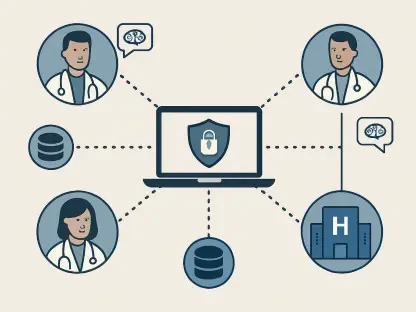
Human decision-making is frequently hindered by cognitive shortcuts, particularly the phenomenon known as “anchoring bias,” where a clinician relies too heavily on the first piece of information they receive. For instance, if a donor’s age or a specific abnormal lab result is the first data point encountered, it can cast a negative shadow over the rest of the evaluation, leading the surgeon to seek out reasons for rejection rather than reasons for acceptance. To combat this psychological tendency, the next generation of transplant support involves the creation of unified, integrated platforms that present all relevant information simultaneously. By consolidating predictive analytics, clinical history, and AI-enhanced imaging into a single interface, these systems prevent any single negative factor from disproportionately influencing the final decision. This approach forces a balanced consideration of all variables, ensuring that the overall viability of the heart is judged on its total merit rather than being overshadowed by a single red flag.
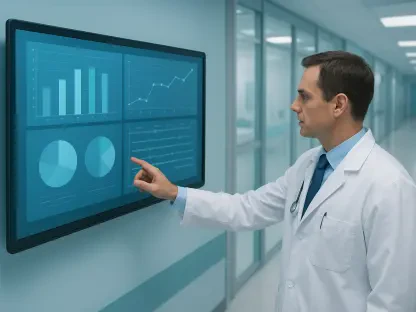
These integrated platforms do more than just aggregate data; they synthesize complex information into an actionable format that aligns with the natural workflow of a transplant team. In the current landscape, a surgeon might have to hunt for information across multiple disparate databases and software applications, which increases cognitive load and heightens the risk of error. A unified AI dashboard eliminates this fragmentation by providing a concise, high-level summary of the donor’s potential. This synthesis allows the clinical team to see the “big picture” immediately, facilitating a more nuanced discussion about the risks and benefits of a specific organ. By reducing the time spent on data retrieval, the technology frees up the surgeon to focus on the qualitative aspects of the transplant, such as the recipient’s specific anatomical needs or the logistics of the surgery itself. Ultimately, this leads to a more collaborative and informed decision-making process where technology handles the heavy lifting of data analysis while humans retain the final clinical authority.
Systemic Evolution: Policy Reform and Clinical Implementation
While the capabilities of artificial intelligence are impressive, the future of heart transplantation depends on a harmonious relationship between technology and human expertise. AI is designed to augment, not replace, the sophisticated clinical judgment of experienced transplant surgeons. While a machine can process massive datasets and identify correlations in seconds—a task physically impossible for the human brain—it lacks the qualitative intuition and situational awareness that comes from years of operating room experience. The goal is to empower physicians by providing them with a robust evidentiary foundation upon which they can build their clinical strategy. By offloading the burden of pattern recognition to AI, surgeons can devote more attention to the surgical complexities and the unique physiological requirements of each patient. This partnership ensures that the final decision to proceed with a transplant is backed by both the most advanced computational insights available and the seasoned judgment of a medical professional.
Technological innovation must be accompanied by significant policy shifts to truly change the landscape of organ utilization across the country. Currently, many transplant centers operate under a regulatory environment that emphasizes short-term post-transplant survival rates as a primary metric for success. This creates a powerful incentive to accept only the most pristine donor hearts, as using a marginal organ could lead to a negative outcome that jeopardizes a center’s federal standing or accreditation. To maximize the impact of AI tools, regulatory bodies must modernize their evaluation criteria to encourage the use of hearts that, while not perfect, offer a high probability of saving a patient who would otherwise die on the waitlist. Furthermore, these digital tools must be seamlessly integrated into existing Electronic Health Records to ensure they are accessible during the critical moments of an emergency. Only by aligning technological capability with supportive policy and streamlined clinical workflows can the medical community fully realize the life-saving potential of these tools.
The integration of artificial intelligence into heart donor selection represented a watershed moment in the effort to resolve the persistent crisis of organ scarcity. By shifting the focus toward objective data and standardized imaging, the medical community established a new baseline for efficiency and equity in transplantation. Moving forward, the priority shifted toward the widespread adoption of integrated platforms that could be accessed in real-time by surgeons nationwide. These tools demonstrated that a significant portion of discarded hearts were actually viable, offering a clear path to reducing waitlist mortality. Future progress now depends on the commitment of healthcare administrators to invest in the necessary digital infrastructure and the willingness of regulators to support a more nuanced approach to risk management. As these technologies became standard practice, they effectively bridged the gap between the tragedy of donor underutilization and the promise of a second chance at life for thousands of patients.