
The relentless pursuit of scientific advancement at Oak Ridge National Laboratory has effectively bridged the gap between historical defense priorities and the most pressing medical and celestial challenges of the modern era. Operating through its sophisticated Isotope Science and Enrichment Directorate, the facility now stands as a cornerstone of global isotope production, synthesizing between 60 and 80 distinct isotopes every year to meet diverse international demands. This output is not merely a byproduct of industrial capacity but a targeted response to critical shortages in nuclear medicine, space exploration, and national security infrastructure. By leveraging a legacy that began in the mid-1940s, the laboratory has transitioned from its role in the Manhattan Project to becoming a premier hub for peaceful nuclear applications. This transformation was significantly influenced by the first commercial shipment of carbon-14 in 1946, a landmark event overseen by Eugene Wigner that redirected the focus of nuclear science toward life-saving research. Today, the facility continues to refine its methodologies, ensuring that the stabilization of the domestic energy supply chain and the advancement of global health remain at the forefront of its operational mission, demonstrating the profound utility of nuclear technology in a civilian context.
Revolutionizing Modern Healthcare Through Isotope Science
Targeted Cancer Treatments: The New Standard in Oncology
The resurgence of carbon-14 as a fundamental tool in modern pharmacology has fundamentally changed the methodology of drug development and regulatory approval processes. While historically associated with early research, this isotope now functions as an essential pharmaceutical tracer that allows researchers to map the precise metabolic pathways of experimental medications within the human body. By incorporating carbon-14 into the molecular structure of a drug, scientists can provide the Food and Drug Administration with exhaustive data regarding how a substance is absorbed, distributed, and eventually eliminated. This level of transparency is vital for ensuring the safety and efficacy of next-generation therapies, and recent production surges at the High Flux Isotope Reactor have successfully reduced the reliance of the United States on foreign isotope suppliers. This shift toward domestic self-sufficiency ensures that the pipeline for new treatments remains uninterrupted by geopolitical fluctuations, allowing for a more predictable and robust pharmaceutical research environment that directly benefits patients awaiting innovative medical solutions.
Building upon the successes of diagnostic tracers, the laboratory has also become a primary supplier for therapeutic isotopes such as lutetium-177 and the exceptionally rare actinium-225. Lutetium-177 is currently regarded as the gold standard for treating advanced prostate cancer through targeted drug therapies that combine the isotope with molecules designed to seek out specific cancer cells. Once the medication binds to the tumor, it delivers a concentrated dose of radiation that destroys the malignant tissue while minimizing damage to the surrounding healthy organs. For cases that prove resistant to standard treatments, actinium-225 offers an even more potent alternative known as Targeted Alpha Therapy. This isotope emits high-energy alpha particles that possess enough force to cause irreversible double-strand breaks in cancer cell DNA, yet their short range ensures that the impact is confined to a microscopic area. The production of actinium-225 involves the complex processing of legacy nuclear materials and high-flux irradiation, resulting in a substance so scarce and powerful it is often described as a nuclear warhead for cellular-level precision, offering a final line of defense for patients with terminal diagnoses.
Specialized Isotopes: Enhancing Palliative Care and Thyroid Health
The impact of isotope science extends beyond the eradication of tumors to include the management of chronic conditions and the alleviation of debilitating pain associated with metastatic disease. Iodine-131 remains a cornerstone of thyroid cancer treatment, where it is utilized both to visualize thyroid tissue and to eliminate cancerous cells following surgical procedures. Because the thyroid gland naturally absorbs iodine, this isotope provides a highly specific delivery system that has maintained its status as a miracle treatment for decades. In addition to curative efforts, isotopes like strontium-89 and tin-117m serve a critical palliative role by targeting the intense bone pain that often accompanies the spread of cancer to the skeletal system. These materials are designed to concentrate in areas of high bone turnover, providing localized relief that can significantly reduce a patient’s dependence on traditional opioid pain management. By improving the daily quality of life for those in advanced stages of illness, these isotopes represent a compassionate application of nuclear science that addresses the physical suffering often overlooked in purely curative research.
Innovative applications of tin-117m have recently demonstrated remarkable success within the field of veterinary medicine, particularly in the treatment of chronic arthritis in canine patients. This specific beta-emitter is utilized in an injectable format to treat elbow and hip dysplasia, providing long-term relief from inflammation and joint pain for up to a full year after a single administration. The success observed in these animal trials has provided a wealth of clinical data that is now being used to support the evaluation of the isotope for human applications. If approved for human use by regulatory agencies, tin-117m could offer a revolutionary alternative for millions of people suffering from osteoarthritis and other degenerative joint conditions, potentially replacing the need for frequent steroid injections or invasive surgical interventions. This transition from veterinary success to human clinical trials highlights the cross-disciplinary nature of isotope research, where advancements in one field of biology frequently pave the way for breakthroughs in another, ultimately expanding the reach of nuclear medicine into the realm of general orthopedic health.
Catalyzing Space Exploration and Industrial Security
Deep Space Missions: Powering the Reach to Distant Worlds
The exploration of the outer solar system and the harsh environment of the Martian surface is made possible through the production of plutonium-238, a specialized fuel that provides constant heat and electricity. Unlike solar panels, which lose effectiveness as a spacecraft travels away from the sun or becomes obscured by dust, radioisotope thermoelectric generators powered by plutonium-238 can operate reliably for decades in total darkness. Oak Ridge National Laboratory not only produces the radioactive fuel but also manufactures the critical components necessary for its safe containment, including iridium cladding and carbon-fiber insulation. These materials are engineered to withstand the extreme temperatures and pressures of a launch or a potential reentry, ensuring that the radioactive source remains secure throughout the duration of the mission. This technological capability has been instrumental in the continued operation of the Voyager probes and the ongoing discoveries made by the Perseverance rover, providing the consistent energy required to transmit data across billions of miles of space.
In addition to propulsion and power, isotopes like promethium-147 have maintained a legacy of utility that dates back to the earliest days of human lunar exploration. Originally utilized during the Apollo missions as a self-luminous paint for astronaut control panels, promethium-147 allowed pilots to navigate their vessels in the absence of external light sources without consuming precious electrical power. In the current technological era, this isotope has found a secondary but equally vital application in the manufacturing of liquid crystal displays for smartphones, tablets, and laptops. It is used as a consistent radiation source in thickness gauges that monitor the production of the thin films found in these screens, ensuring that every device meets the exact specifications required for image clarity and touch sensitivity. This dual-use history exemplifies how materials developed for the most extreme environments of space travel eventually become integrated into the fabric of everyday life, supporting the global electronics industry while honoring the scientific heritage of the early space program.
Industrial Integrity: Safeguarding Infrastructure and Energy Resources
The safety and efficiency of the global energy sector are heavily dependent on the application of californium-252, a potent neutron source that serves as a catalyst for both nuclear power and resource extraction. In the nuclear industry, this isotope is essential for the startup of new reactors, providing the initial neutron flux required to establish a sustained chain reaction in a controlled and predictable manner. Beyond power generation, californium-252 is a vital tool for oil and gas exploration, where it is used in sophisticated well-logging instruments to determine the hydrogen content and porosity of deep rock formations. By providing real-time data on the characteristics of underground reservoirs, this isotope allows energy companies to identify viable drilling sites with greater accuracy, thereby reducing the environmental footprint of exploration and minimizing the financial risks associated with dry holes. This capability ensures that the extraction of natural resources is conducted with the highest possible level of scientific precision, supporting both economic stability and environmental stewardship.
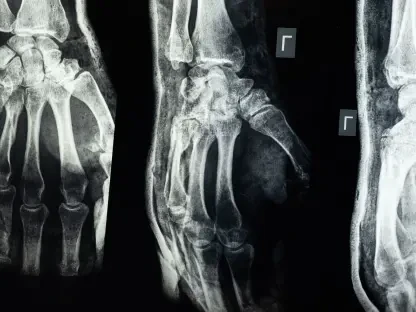
Infrastructure security is further enhanced through the use of iridium-192, an isotope that facilitates the non-destructive testing of critical industrial components such as pipelines and structural welds. Utilizing a process similar to a medical X-ray, technicians employ iridium-192 to look inside metal structures and identify microscopic cracks, voids, or inclusions that could lead to catastrophic failures if left unaddressed. This form of industrial radiography is essential for maintaining the integrity of the aging pipeline networks that transport water, gas, and oil across the continent, allowing for proactive repairs before leaks occur. Furthermore, barium-133 is used to calibrate the precision flow meters that monitor the output of these systems, ensuring that measurements remain accurate and that the pressure within the network is maintained at safe levels. These industrial isotopes form an invisible line of defense for national infrastructure, demonstrating that the benefits of nuclear science are not confined to the laboratory or the hospital but are woven into the very systems that keep modern society functioning safely and efficiently.
Pioneering New Scientific Frontiers
Quantum Computing: The Evolution of Digital Processing Power
The next generation of computing and digital security is currently being shaped by the production of stable isotopes like ytterbium-171, which serve as the physical foundation for quantum processors. Unlike classical computers that rely on binary bits, quantum systems utilize qubits that can exist in multiple states simultaneously, allowing them to solve complex problems that are beyond the reach of traditional hardware. The high-purity ytterbium-171 produced at the laboratory is particularly valued for its nuclear spin properties, which provide the stability necessary to maintain quantum coherence for longer periods. This stability is the primary challenge in quantum development, and the availability of specialized isotopes is a critical factor in the transition from experimental prototypes to practical, scalable quantum computers. As these systems become more integrated into the global economy, they will revolutionize everything from cryptographic security to the simulation of new molecular structures, marking a new era of technological capability driven by the precise manipulation of atomic isotopes.
Medical diagnostics also continue to evolve through the refinement of noble gas isotopes such as xenon-129, which provides an unprecedented view of respiratory function and pulmonary health. When inhaled by a patient, hyperpolarized xenon-129 can be visualized using modified magnetic resonance imaging equipment, allowing doctors to see the exchange of gases within the lungs in real-time. This non-invasive technique provides much clearer images of chronic obstructive pulmonary disease, asthma, and early-stage tumors than traditional imaging methods, which often struggle to capture the details of air-filled spaces. The development of these advanced diagnostic tools reflects a broader commitment to utilizing nuclear science for the early detection and prevention of disease, rather than solely focusing on treatment. By providing medical professionals with more detailed information, these isotopes enable a more personalized approach to healthcare, where interventions can be tailored to the specific physiological needs of the individual, ultimately leading to better patient outcomes and more efficient use of medical resources.
Legacy of Innovation: Establishing a Foundation for Global Security
The scientific community recognized these advancements as a turning point for global health and international cooperation in the peaceful use of nuclear technology. Researchers at the laboratory established a precedent for domestic isotope production that significantly reduced the vulnerability of the medical supply chain to external disruptions. This strategic shift prioritized the needs of clinicians and patients, ensuring that the most effective cancer treatments reached those in need without delay. Experts noted that the expansion of the High Flux Isotope Reactor’s capabilities transformed the landscape of nuclear medicine, allowing for the routine production of materials that were previously considered too rare for widespread clinical use. This effort secured a future where nuclear science functioned as a primary tool for healing and exploration, rather than a symbol of defense and conflict, reinforcing the laboratory’s role as a global leader in humanitarian scientific research.
The laboratory demonstrated that the integration of quantum isotopes into the domestic supply chain provided a foundation for the next century of digital security and industrial innovation. Scientists achieved significant milestones in the stabilization of isotopes for quantum computing, which opened the door for advanced simulations in chemistry and physics that were once thought impossible. Technicians implemented new safety protocols for the testing of national infrastructure, utilizing radioactive sources to prevent environmental disasters before they could begin. This comprehensive approach to isotope science ensured that the benefits of nuclear research were felt across every sector of society, from the depths of the ocean to the furthest reaches of the solar system. By documenting and refining these processes, the facility provided a roadmap for future scientific endeavors, proving that the responsible management of nuclear materials was a vital component of modern technological progress and human safety.