
The digital transformation of healthcare in the West Midlands has reached a significant milestone with the implementation of a comprehensive imaging network designed to streamline patient care across multiple regional hospital trusts. Historically, the fragmented nature of medical records meant that a patient’s x-rays or MRI scans were often confined to the specific facility where they were taken, leading to unnecessary delays when patients were transferred or required specialist consultations at different sites. This new unified platform effectively eliminates those digital silos by creating a seamless environment where clinicians can access high-resolution images instantly, regardless of where the diagnostic procedure originally occurred. By centralizing these resources, the NHS is reducing the administrative burden on medical staff who previously had to rely on manual requests and physical media transfers. This initiative represents a strategic shift toward an agile healthcare ecosystem, ensuring that critical diagnostic information follows the patient throughout their entire journey within the regional network. Every clinician now has the tools needed to make life-saving decisions without being hindered by local infrastructure limitations.
Strategic Clinical Integration: The Standardization of Regional Diagnostic Workflows
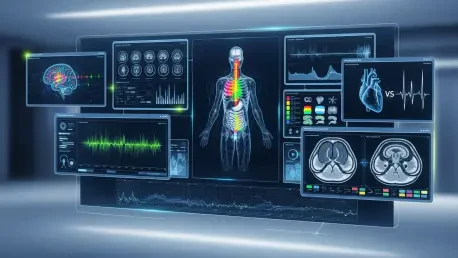
The implementation of this unified platform has fundamentally changed the daily operations for radiologists and consultants throughout the West Midlands region. By utilizing a standardized interface, medical professionals can now interpret results with greater consistency, benefiting from advanced visualization tools that are synchronized across the network. This shared infrastructure allows for a more balanced distribution of the diagnostic workload, as specialists at one trust can assist their colleagues at another during periods of high demand or when specific expertise is required. Such a collaborative model is particularly vital for urgent cases, such as stroke or major trauma, where every minute saved in the diagnostic phase can significantly impact patient outcomes. Furthermore, the system provides a historical view of a patient’s imaging record, allowing clinicians to compare current results with previous scans easily. This longitudinal perspective is essential for tracking the progression of chronic conditions or monitoring the effectiveness of ongoing treatments. By leveraging cloud-based architecture, the network ensures that data is available 24/7 with high reliability. It also paves the way for future AI integrations that provide preliminary screenings or identify subtle patterns.
The successful rollout of the unified imaging platform across the West Midlands demonstrated the transformative power of regional cooperation and technological standardization. By prioritizing interoperability, the initiative overcame the traditional barriers of institutional isolation, allowing for a more fluid and responsive healthcare delivery model. Decision-makers within the NHS identified that the path toward a sustainable future required a departure from localized procurement in favor of a shared, scalable solution. This transition moved diagnostic services away from a reactive posture and toward a proactive environment where resources were optimized across the entire regional geography. The project proved that substantial improvements in clinical efficiency could be achieved when technology was aligned with the practical needs of frontline medical staff. Moving forward, other healthcare providers should view this model as a prerequisite for high-quality care. Future strategies must focus on expanding these networks to include digital pathology and cardiology images to create a comprehensive diagnostic record. Continuous investment in cybersecurity and user training remained essential to protect patient data and maximize the utility of the integrated system, ensuring that the technology continued to serve the evolving needs of the population.