
Economic hurdles remain a challenge as medical reimbursement for innovative remote monitoring technology often lags behind the actual clinical implementation and patient benefits. Despite this financial friction, the momentum of a medical community increasingly dissatisfied with the limitations of periodic, in-person consultations has not stalled. Modern cardiology is currently undergoing a radical shift from traditional, clinic-based appointments toward a model of continuous, data-driven oversight. Remote cardiac monitoring serves as the foundation of this evolution, utilizing a diverse range of wearable and implantable devices to track vital heart metrics outside of the doctor’s office. This transition effectively bridges the gap between periodic check-ups, addressing the significant limitations of snapshot medicine where life-altering decisions are often based on a single moment in time. By integrating these technologies into standard clinical workflows, healthcare providers can move beyond reactive treatments and toward proactive prevention. Leading clinicians and innovators are now using real-time data to identify high-risk conditions before they escalate into catastrophic events. This shift ensures that the medical care a patient receives is informed by their actual daily life, rather than just the brief duration of a physical exam, creating a comprehensive narrative of heart health that was previously impossible to obtain through manual checkups alone.
Categorizing the Current Landscape of Monitoring Tools
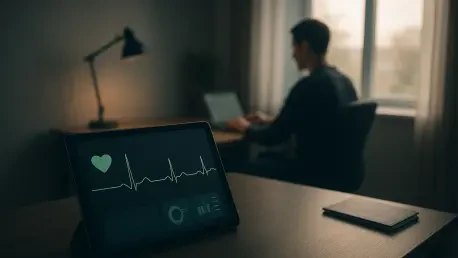
The current landscape of remote monitoring can be categorized into three distinct levels, beginning with consumer-grade devices like the Apple Watch or Samsung Galaxy Watch. While these tools were originally designed for general wellness and fitness tracking, many now feature sensors cleared by regulatory bodies capable of detecting irregular heart rhythms and recording single-lead EKGs. However, their effectiveness often depends on the user being proactive, as many patients own the technology but fail to enable the specific features required for medical-grade detection. These devices serve as an excellent entry point for the general population, providing a baseline level of awareness that can prompt a user to seek professional medical advice. The challenge remains in ensuring that the data generated by these consumer products is filtered correctly to avoid unnecessary anxiety or over-diagnosis for low-risk individuals. Nevertheless, when used correctly, they offer a pervasive layer of protection that operates silently in the background of a patient’s daily routine.
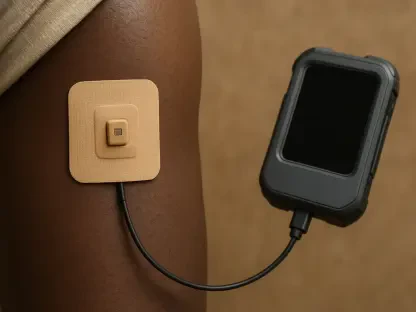
The second tier involves medical-grade patch monitors and mobile cardiac outpatient telemetry prescribed by physicians for specific diagnostic periods. Unlike older monitors that simply store data for later review, modern systems transmit heart activity in real-time via smartphone applications to a centralized clinical team. This allows for beat-to-beat surveillance, which is vital for high-risk patients who require immediate intervention if an abnormality is detected. These devices are fully integrated into the healthcare system, providing a reliable and secure link between the patient’s home and the cardiology clinic. Because these patches are often water-resistant and discreet, patient compliance is significantly higher than it was with the bulky, wired monitors of the past. This tier of technology bridges the gap between the casual consumer wearable and the highly invasive implantable device, offering a powerful diagnostic tool for those with suspected but undocumented cardiac issues.
Addressing the Silent Threat of Atrial Fibrillation
A primary focus of remote monitoring is the detection of Atrial Fibrillation, a condition characterized by chaotic electrical activity in the heart’s upper chambers. The danger of this condition lies not just in the irregular heartbeat itself, but in the high risk of blood clots that can lead to debilitating strokes. Because Atrial Fibrillation is often asymptomatic or intermittent, it frequently goes undiagnosed until a major medical crisis occurs, making continuous monitoring a literal lifesaver for many patients. Traditional office EKGs often miss these episodes because they only capture a few seconds of heart rhythm. Remote technology, however, provides a window into the patient’s heart health over days or weeks, significantly increasing the probability of catching these fleeting electrical disturbances. By identifying the problem early, clinicians can intervene with lifestyle changes or medication before the heart suffers permanent structural damage or a stroke occurs.
Case studies show that individuals who receive automated alerts from their wearable devices can seek treatment for silent Atrial Fibrillation before any physical symptoms manifest. This early detection allows doctors to initiate anticoagulation therapy promptly, significantly reducing the likelihood of a vascular disaster. The consensus among cardiologists is clear: constant surveillance is no longer a luxury but a necessary tool for preventing preventable disasters in aging populations. Furthermore, the ability to monitor the effectiveness of prescribed medications in real-time allows for rapid dosage adjustments. Instead of waiting months to see if a blood thinner or rhythm-control drug is working, physicians can view daily reports and make data-backed decisions within hours. This level of responsiveness is transforming the management of chronic heart conditions into a dynamic, interactive process between the patient and the provider.
Expansion into Vascular Health and Maternal Care
The application of remote monitoring is expanding into blood pressure management through the use of innovative, cuffless monitoring patches. These devices can take nearly a hundred measurements over a 24-hour cycle, offering a much more accurate picture of a patient’s vascular health than a single reading in a high-stress clinic environment. This approach effectively eliminates the white coat hypertension effect, where anxiety causes temporary spikes in blood pressure during office visits, leading to unnecessary prescriptions. By gathering data during sleep, work, and exercise, these sensors provide a comprehensive view of how a patient’s blood pressure responds to real-world stressors. This granular data allows for the personalization of treatment plans, ensuring that medication is only prescribed when it is truly necessary and that the timing of doses coincides with the patient’s highest-risk periods throughout the day.
Continuous blood pressure monitoring has proven particularly effective in high-risk maternity care, helping to identify early signs of preeclampsia before it becomes a life-threatening emergency. Furthermore, these 24-hour data sets often reveal collateral benefits by surfacing underlying conditions like sleep apnea, which is frequently signaled by nocturnal blood pressure spikes. By monitoring one primary metric, clinicians are often able to diagnose and treat several related health issues simultaneously. The integration of these tools into prenatal care represents a significant leap forward in reducing maternal mortality rates and improving outcomes for both mother and child. As the technology becomes more affordable and easier to use, it is expected that continuous vascular monitoring will become a standard component of preventative medicine for a wide range of demographic groups beyond just those with known heart disease.
Integrating Artificial Intelligence with Clinical Expertise
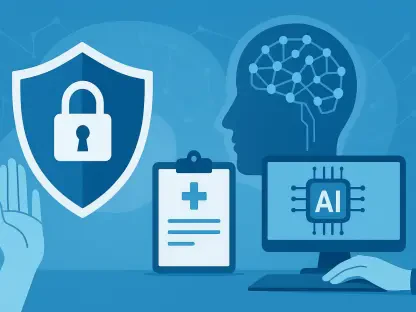
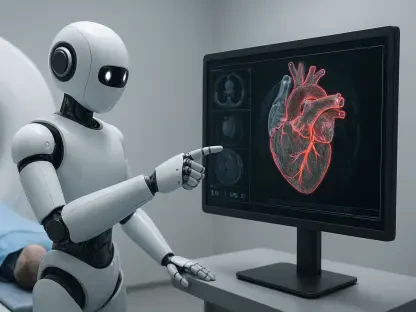
As the volume of data generated by remote devices grows, the integration of Artificial Intelligence has become essential for managing the influx of information. AI algorithms are used to filter through massive amounts of raw data, identifying significant patterns and eliminating the diagnostic blind spot inherent in short-term office visits. This technology ensures that physicians are not overwhelmed by thousands of data points but instead receive prioritized, actionable insights that require their attention. The machine learning models are trained to recognize the subtle nuances of various arrhythmias, often identifying issues that might be overlooked by a human reviewer during a cursory glance. By automating the preliminary analysis, the healthcare system can scale remote monitoring to millions of patients without requiring a proportional increase in the number of trained cardiologists.
Despite the power of AI, human oversight remains a critical component of the process to ensure clinical accuracy and patient safety. Many monitoring systems utilize a dual-layered approach where algorithms identify potential issues, which are then reviewed by clinical experts at specialized monitoring centers before being sent to the primary cardiologist. This synergy between high-tech analytics and human expertise ensures that diagnoses are both rapid and accurate, significantly shortening the time between the onset of a condition and the start of treatment. This human-in-the-loop model maintains the trust necessary for medical adoption while leveraging the speed of modern computing. It also allows for a more nuanced interpretation of the data, as clinical experts can correlate the electronic readings with the patient’s reported symptoms and medical history, providing a level of context that current algorithms cannot yet achieve on their own.
Navigating Economic Shifts and Future Implementation
Transitioning to a remote monitoring model presented certain economic challenges, particularly as medical reimbursement policies initially struggled to keep pace with technological breakthroughs. Healthcare providers frequently invested in these tools to improve patient outcomes before a streamlined path for insurance coverage was fully established. However, the long-term economic benefit became undeniable as preventing strokes and heart failure reduced the overall reliance on expensive emergency room visits and prolonged inpatient care. The shift represented a move toward value-based care, where the focus turned to keeping patients healthy at home rather than treating them once they arrived at the hospital in a state of crisis. This transition required a fundamental rethinking of how medical services were valued, moving away from a fee-for-service model and toward a system that rewarded long-term health stability and the prevention of major cardiac events.
The healthcare sector realized that the data collected while a patient lived their normal life proved to be far more valuable for long-term health than the data collected in a traditional exam room. To fully capitalize on this transformation, institutions focused on streamlining data integration into electronic health records and refining reimbursement codes to reflect the value of preventive intervention. Patients were encouraged to prioritize devices that offered seamless connectivity, while developers worked toward making these tools as non-invasive as possible. The evolution of cardiac care ultimately rested on the ability to turn constant streams of information into precise, life-saving actions. Moving forward, the industry sought to expand these capabilities into long-term management for patients with permanent cardiac implants, ensuring that every heart could be monitored with the same level of detail as a high-performance machine. The ultimate goal remained the total elimination of preventable cardiac deaths through the power of ubiquitous, intelligent surveillance.