
The Me. app integrates disparate data points from sleep, exercise, and vitals into a format that is easily digestible for coaches and medical professionals. By consolidating information from various wearable ecosystems into a singular, HIPAA-compliant dashboard, the platform effectively bridges the gap between daily lifestyle habits and professional clinical oversight. This evolution reflects a significant shift in how personal biometrics are perceived in 2026, moving away from simple self-tracking toward actionable diagnostic support. Doctors no longer have to navigate a dozen different interfaces or rely on a patient’s anecdotal memory of their resting heart rate from three weeks ago. Instead, the interface presents a streamlined chronological overview that highlights anomalies and trends, ensuring that the limited time during an annual physical is spent on high-level analysis rather than manual data retrieval. This systematic approach ensures that every metric captured by a device serves a specific purpose in the broader healthcare strategy.
Bridging the Gap: Integrating Consumer Tech Into Clinical Workflows
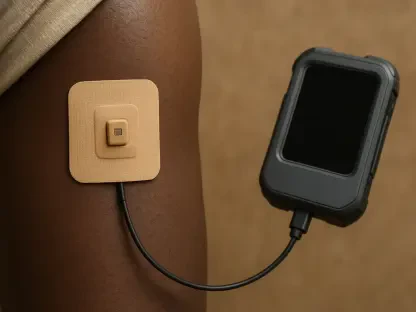
The technical architecture of the Me. app relies on advanced synchronization protocols that pull information from an array of hardware, ranging from smart rings to medical-grade continuous glucose monitors. This level of interoperability is crucial because it eliminates the friction of manual data entry, which has historically been a primary reason for patient non-compliance in health tracking. The software uses a sophisticated normalization engine to ensure that data from a high-end Garmin watch and a standard smartphone accelerometer are interpreted with a consistent level of contextual nuance. By leveraging these 2026 standards of cross-platform communication, the application provides a holistic view of a patient’s physiological state that was previously impossible without expensive hospital stays. Moreover, the backend is designed to flag specific physiological deviations that might indicate the onset of fatigue or illness, allowing for early intervention strategies that can save lives and improve the standard of care for all users.
Beyond simple data aggregation, the user experience is centered around the concept of meaningful visibility, where patients retain full control over who sees their metrics and for how long. In a landscape where privacy concerns often hinder the adoption of digital health tools, the Me. app implements a zero-trust encryption model to protect sensitive biometrics. Users can grant temporary access to a specialist for a second opinion or provide a long-term feed to a fitness coach to optimize their training regimen. This permission-based system ensures that the flow of information remains ethical and transparent while still offering the convenience of real-time updates. The transition from 2026 to 2028 is expected to see a significant rise in this type of decentralized health management, as individuals become more proactive about their long-term wellness. By providing a clear visual representation of their progress, the app encourages higher engagement levels and fosters a stronger sense of personal agency over one’s own health metrics.
Future Implications: Streamlining Provider Oversight and Long-Term Care
From the perspective of a healthcare provider, the utility of the Me. app lies in its ability to provide a longitudinal snapshot of a patient’s life outside the sterile environment of a clinic. Traditional vitals taken during an appointment often suffer from fluctuations caused by stress or the immediate environment, but the app offers a stabilized view of resting metrics over weeks or months. This longitudinal approach allows physicians to see the efficacy of a new medication or the impact of a lifestyle change in real-time, rather than waiting for the next quarterly blood panel. The dashboard is tailored to emphasize clinical relevance, filtering out the noise of thousands of data points to show only the most significant trends in heart rate variability, sleep stages, and activity levels. As the industry moves from 2026 toward 2028, this targeted presentation of information assists in making more accurate diagnoses and tailoring personalized treatment plans that account for the unique daily stressors and recovery patterns.
Healthcare stakeholders recognized the need for a shift toward more integrated and actionable biometric monitoring to solve the inefficiencies of the legacy medical system. The implementation of the Me. app proved that streamlining data from various sources into a single platform allowed doctors to provide more precise interventions and improved patient outcomes across the board. Medical professionals successfully utilized the dashboard to identify early warning signs of chronic ailments, which significantly reduced the volume of emergency room visits and improved the overall quality of care. Patients who participated in this data-sharing ecosystem reported a deeper understanding of their own physiology and felt more empowered during their clinical consultations. Moving forward, the focus shifted toward expanding these capabilities to include more complex biochemical markers and integrating artificial intelligence to predict future health risks based on historical data. These advancements ensured that preventative health remained a priority for everyone.