
The acquisition of rare timepieces and haute couture no longer serves as the primary metric of status among the global elite, as the focus has shifted dramatically toward the optimization of one’s most finite resource: time. While material possessions remain accessible to many, the ability to maintain peak physical and cognitive performance without the friction of logistical delays represents the pinnacle of modern success. Telemedicine has undergone a radical transformation, moving far beyond its origins as a basic tool for minor ailments to become a comprehensive, high-tech ecosystem specifically engineered for high-net-worth individuals. This sophisticated model of care integrates advanced diagnostics, immediate access to world-class specialists, and continuous health monitoring into a seamless digital experience. By prioritizing health as a critical asset, personalized remote healthcare has established itself at the center of the luxury sector, redefining premium medical attention for the modern era.
Maximizing Efficiency and Reclaiming Personal Time
Eliminating the Burden: Clinical Inefficiency
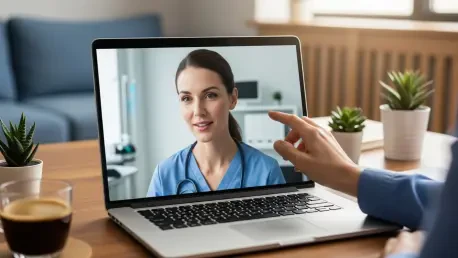
The traditional medical model frequently imposes a significant “time tax” on patients, requiring them to navigate congested urban traffic, find parking, and spend unproductive hours in sterile waiting rooms regardless of their professional status or wealth. For high-performance individuals whose schedules are measured in minutes, these inefficiencies are not merely an inconvenience but a substantial barrier to maintaining optimal health. Luxury telemedicine has effectively dismantled these hurdles by providing a direct portal to elite care that adapts to the patient’s lifestyle rather than forcing the patient to adapt to the clinic’s rigid schedule. Whether a patient is currently located in a corporate boardroom or a private residence in the mountains, they can initiate a high-definition consultation with top-tier medical professionals. This level of flexibility ensures that health maintenance is no longer a disruptive event but a streamlined component of a well-managed and productive life.
Enhancing Discretion: Virtual Privacy
Beyond the mere elimination of transit time, the shift toward a digital-first medical experience provides a layer of privacy and comfort that traditional clinical environments struggle to match. High-net-worth individuals often require a level of discretion that is difficult to maintain in public healthcare facilities, where the risk of recognition or unwanted attention is always present. Virtual consultations allow for a secure and confidential exchange between physician and patient within the sanctuary of the patient’s own environment. This enhanced privacy encourages more open and honest communication, as patients feel more relaxed and in control of their surroundings. Furthermore, the administrative burden typically associated with medical appointments is handled by dedicated digital concierges. These specialized assistants ensure that every interaction is smooth and focused entirely on the patient’s clinical needs, respecting the patient’s dignity and ensuring an efficient process throughout.
Dissolving Borders to Access Global Medical Expertise
Connecting Patients: International Specialists
One of the most profound advantages of modern digital health platforms is the complete dissolution of geographical barriers, allowing patients to consult with the world’s most renowned specialists regardless of where they reside. In previous decades, seeking a second opinion from a leading oncology expert in New York or a world-class cardiologist in Zurich required complex international travel and significant time away from business interests. Today, the most affluent citizens are leveraging advanced telepresence technologies to assemble a “dream team” of global experts who can collaborate on their care in real-time. These platforms utilize high-fidelity imaging and secure data sharing to provide specialists with all the necessary information to make precise diagnoses and recommendations. This borderless approach ensures that the caliber of medical counsel is never restricted by location, providing an unprecedented level of access to cutting-edge research and truly innovative treatment protocols.
Orchestrating Care: Multidisciplinary Networks
The ability to orchestrate such a high level of specialized care digitally also means that the management of complex or chronic conditions becomes significantly more effective. Instead of relying on a single local practitioner who may have limited experience with a specific rare condition, patients can tap into a global network of specialized knowledge to ensure they are receiving the absolute best care possible. This collaborative environment allows for multidisciplinary reviews where experts from different fields can discuss a case simultaneously via encrypted video conferencing, leading to more holistic and accurate treatment plans. For the elite patient, this means a reduction in the trial-and-error often associated with complex diagnoses and a faster path to recovery or stabilization. The peace of mind provided by knowing that one’s health is being managed by the finest minds in the world, accessible at the touch of a button, is a luxury that effectively transcends any physical product.
Strategic Paths for Longevity Management
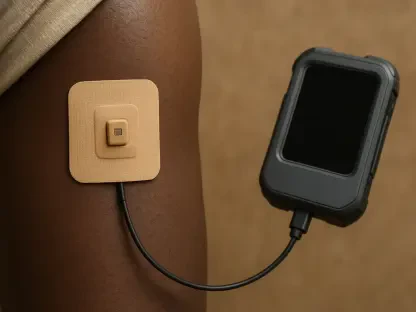
The landscape of high-end healthcare underwent a fundamental shift as the focus migrated from simple convenience toward a sophisticated integration of global expertise and real-time biological data. Telemedicine proved to be the essential platform for this evolution, successfully merging the demands of a high-performance lifestyle with the requirements of cutting-edge medical science. For those seeking to replicate this level of care, the first step involved identifying a provider that offered a dedicated physician model rather than a rotating pool of on-call doctors. It became clear that the value resided in the relationship and the doctor’s intimate knowledge of the patient’s long-term health history. Additionally, individuals prioritized services that integrated medical-grade wearables, ensuring that data was not just collected but actively monitored by professionals. Moving forward, the most effective strategy involved adopting a proactive approach that used technology to bridge the gap.