
A new visiting physician program with NYU Langone Health facilitates a continuous flow of specialized expertise between American medical professionals and their Emirati counterparts. This strategic mission, led by Ahmed Ali Al Sayegh, represents a fundamental shift in the UAE’s healthcare strategy, moving from a model of service consumption to one of collaborative innovation and localized implementation. The delegation, which included stakeholders from Emirates Health Services and the Department of Health – Abu Dhabi, visited major medical hubs in Boston and New York during the 81st session of the UN General Assembly. This outreach aimed to integrate advanced Western medical methodologies into the domestic system to accelerate a transition toward a proactive, prevention-focused environment. By targeting world-renowned institutions, the nation is building a sustainable system that incorporates genomic medicine and AI to handle complex cases and rare diseases with localized, high-tier expertise.
Bridging Global Expertise and Local Innovation
Integrating Advanced Technology: Genomic Medicine and AI
One central pillar of this international cooperation involves the integration of genomic medicine and artificial intelligence into standard clinical practices. In Boston, the delegation focused on creating a sophisticated infrastructure for early cancer detection through a partnership with the Dana-Farber Cancer Institute. These collaborative efforts aim to develop comprehensive early detection pathways that encompass the entire lifecycle of patient care, including risk assessment and genetic counseling. These pathways are designed to ensure that the healthcare system moves beyond simple diagnostic testing to a holistic model of rigorous follow-up and streamlined treatment referrals. By leveraging these advanced technologies, the UAE is working to fundamentally shift its national medical landscape from a reactive treatment model to one that emphasizes proactive prevention. This focus on genomic insights allows for identifying health risks before they manifest as chronic conditions.
Digital Transformation: Big Data and Clinical Systems
The technological focus extends significantly into the digital realm, specifically regarding the application of big data and predictive analytics to improve health outcomes. Dialogues with Mass General Brigham highlighted a shared commitment to enhancing digital health and integrating AI within various clinical settings to optimize system efficiency. These discussions were pivotal in establishing a framework for centers of excellence in specialized fields such as cardiology, neuroscience, and oncology. By utilizing American expertise in digital transformation, the UAE is building a robust infrastructure that supports integrated care models and high-quality data management. This approach ensures that the public health system can offer personalized care while maintaining the flexibility to respond to emerging medical challenges. The objective is to create a seamless interface between technological innovation and patient delivery, ensuring that advanced data insights lead directly to improved results.
Elevating Specialized Care and Human Capital
Advancing Specialized Medicine: Pediatric and Rare Diseases
Specialized care for complex pediatric conditions and rare diseases emerged as a critical consensus point during the high-level delegation’s visits to Boston and New York. Collaborations with Boston Children’s Hospital and New York-Presbyterian focus on expanding the diagnostic and therapeutic capabilities available to newborns and children. A key initiative involves developing specialized care pathways for infants who receive positive results from genetic screenings, ensuring a smooth transition from testing to intervention. These pathways are intended to provide immediate access to specialist care, reducing the uncertainty often associated with rare disease management. By establishing these frameworks locally, the UAE is effectively minimizing the need for families to seek treatment abroad for specialized pediatric needs. This initiative is a vital component of the broader strategy to provide world-class medical support within the country’s borders, fostering a more self-reliant healthcare infrastructure.
Expanding Access: Gene Therapy and Proton Therapy
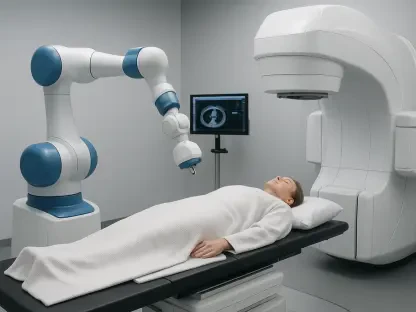
Beyond pediatric care, the partnership is aggressively exploring frontiers in advanced therapies such as organ transplantation, gene therapy, and proton therapy. The latter was a specific focus during visits to The Mount Sinai Hospital, where officials discussed the potential for incorporating these life-saving treatments into the national system. These efforts are part of a concerted drive to establish specialized centers of excellence that can handle the most difficult medical cases using state-of-the-art technology. For instance, the research into immunotherapy aims to harness the body’s own immune system to combat malignancies, providing new hope for patients with complex cancers. By localizing these advanced therapeutic options, the UAE is not only improving patient outcomes but also building a domestic environment where research findings can be translated into clinical practice. This evolution positions the country as a regional leader in adopting the latest breakthroughs in biotechnology.
Developing the Workforce: Leadership and Professional Growth
A recurring theme throughout the strategic mission was the necessity of investing in human capital to ensure the long-term success of technological advancements. Minister Al Sayegh emphasized that scientific progress is only as effective as the medical professionals who implement these tools on the front lines. To address this, the UAE is prioritizing leadership programs and professional training in collaboration with prestigious institutions like Johns Hopkins. These programs are specifically designed to produce a generation of healthcare administrators who can navigate the rapid shifts in the industry while maintaining high standards. By focusing on the managerial and operational side of medicine, the nation is ensuring that its hospitals are not just technologically advanced but also efficiently run. This commitment to professional growth creates a resilient workforce capable of adapting to the evolving needs of a modern population while delivering patient-centered care at every level.
Facilitating Knowledge Transfer: Physician Exchange Programs
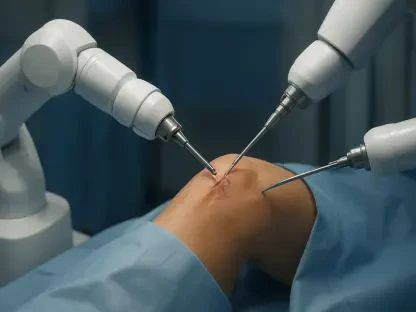
The ongoing visiting physician programs and exchange initiatives facilitate a continuous flow of specialized knowledge that benefits both American and Emirati practitioners. These partnerships allow local doctors to work alongside world-leading experts, gaining hands-on experience in complex surgical techniques and diagnostic procedures. This exchange is not a one-way street; it fosters a collaborative environment where research and clinical insights are shared to improve global medical standards. By training local professionals in specialized fields, the UAE is securing the future of its health system and reducing its dependence on international experts for routine procedures. The focus remains on building a sustainable ecosystem where domestic talent can thrive and eventually lead medical innovation in the region. This investment in the human element ensures that the infrastructure improvements are matched by a level of clinical expertise that meets the highest international benchmarks.
Strategic Frameworks for a Sustainable Future
Aligning Regulatory Interests: Economic and Policy Synergy
To support this massive infrastructure and workforce expansion, the UAE is focusing on creating regulatory synergy with the United States to attract global investment. Engagement with the U.S.-U.A.E. Business Council and the Emirates Drug Establishment indicates a coordinated effort to align frameworks for pharmaceutical and device manufacturers. By streamlining the regulatory process, the nation is making it easier for major companies like Johnson & Johnson to bring their latest innovations to the local market. This alignment is intended to foster a domestic environment where scientific research can be quickly translated into practical medical applications and accessible products. This economic and regulatory coordination is essential for building a thriving medical ecosystem that supports both public health goals and private sector growth. These efforts aim to create a predictable and efficient landscape for international partners to contribute to the nation’s long-term healthcare development.
Ensuring Future Resilience: Sustainable Financing and Action
The mission concluded that the immediate priority resided in the refinement of implementation phases that assigned specific responsibilities across the healthcare ecosystem. Leaders from EHS and the Ministry of Health determined that a unified approach to public health would bridge the gap between different emirates and sectors efficiently. These stakeholders established a roadmap for sustainable financing models that aimed to preserve the long-term viability of the health system against global shocks. The collaborative effort finalized plans to engage with the Harvard T.H. Chan School of Public Health to improve emergency preparedness and response strategies. Ultimately, the partnership positioned the nation as a regional hub for medical innovation by harmonizing national development goals with the most advanced scientific research available. These strategic decisions ensured that the health system remained resilient, proactive, and capable of independent growth while contributing to the global medical body.