
Digital health tools offer a sense of agency and control, yet they risk leaving behind older adults and those in economically disadvantaged areas. The evolution of the “quantified self” has morphed from a niche hobby for tech enthusiasts into a fundamental pillar of modern living, where every heartbeat, step, and sleep cycle is meticulously logged and analyzed. Today, the ubiquity of high-precision wearables and bio-tracking software has altered the social contract between patients and the medical establishment. Instead of waiting for an annual physical to uncover latent health issues, individuals now carry sophisticated diagnostic labs on their wrists, providing a continuous stream of data that was once accessible only in a clinical setting. This shift from episodic to constant monitoring signals a departure from the traditional reactive model of medicine, fostering a culture where biological self-awareness is the new standard. As these technologies become more deeply integrated into daily routines, they are redefining what it means to be healthy, moving beyond the absence of disease toward an optimized, data-driven state of constant physiological refinement and proactive management.
The Benefits: Integrating Personal Metrics into Professional Care
The current transition in healthcare strategy focuses on transforming the patient from a passive recipient of care into an active participant in their own wellness journey. By leveraging real-time data from consumer devices, public health initiatives are increasingly emphasizing the importance of early intervention and the mitigation of chronic conditions before they require expensive hospital stays. For example, remote monitoring programs for hypertension and diabetes now allow clinicians to track patient progress in real-time, adjusting medications and lifestyle recommendations without requiring the patient to leave their home. This decentralized approach not only improves the overall quality of care but also eases the immense physical and financial burden on the national medical infrastructure. As sensors become more accurate and less intrusive, the line between consumer electronics and medical-grade hardware continues to blur, creating a unified ecosystem where daily habits are recognized as critical components of a person’s formal medical history and long-term health trajectory.
Promoting Agency: Establishing a Personalized Biological Baseline
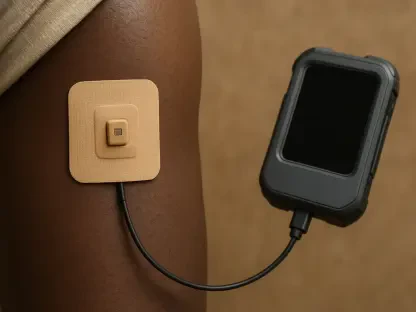
Acceptance of these advanced tracking technologies has reached unprecedented levels, with a vast majority of the adult population now utilizing at least one digital tool to quantify their physical health metrics. This widespread adoption is fueled by a growing trust in the reliability of personal hardware, as devices like the latest smartwatches and continuous glucose monitors have demonstrated accuracy levels that rival traditional clinical equipment. Users are no longer content with merely collecting data; they are actively seeking ways to incorporate these insights into their professional medical consultations. Primary care physicians are seeing a significant rise in patients who arrive at appointments with detailed logs of their blood pressure, resting heart rate, and oxygen saturation levels. This collaborative atmosphere encourages a more personalized approach to medicine, where treatment plans are tailored to the specific patterns of the individual rather than relying on broad demographic averages. The result is a more responsive healthcare system that values the patient’s subjective experience alongside objective data.
Institutional Integration: Bridging the Gap Between Habits and Practice
The psychological empowerment derived from this constant access to personal data serves as a powerful catalyst for sustained behavior change and increased medical compliance. When individuals can see the immediate impact of a morning run or a balanced meal on their metabolic markers, they are far more likely to maintain those positive habits over the long term. This instant feedback loop creates a sense of biological autonomy, allowing people to establish a highly personalized physiological baseline that helps them identify subtle deviations before they escalate into serious health crises. For instance, a sudden shift in resting heart rate or a decrease in sleep quality might prompt a user to schedule a checkup weeks before they would have otherwise noticed physical symptoms. By fostering this heightened state of awareness, personal monitoring tools bridge the gap between individual responsibility and institutional oversight. This integration ensures that the healthcare journey is continuous rather than fragmented, turning every day into an opportunity for health optimization.
The Challenges: Navigating Psychological and Structural Barriers
Despite the clear advantages of continuous monitoring, the sheer volume of data produced can create a significant cognitive and emotional burden for many users. The phenomenon of “health anxiety” has become increasingly prevalent as individuals find themselves obsessing over minor, statistically insignificant fluctuations in their daily readings. For many, the constant pings and notifications from health apps can transform a tool intended for wellness into a source of persistent stress, leading to a state of hyper-vigilance that may actually negatively impact cardiovascular health and mental well-being. Furthermore, a substantial “action gap” persists in the digital health space, where users may receive alerts regarding potential abnormalities but fail to seek professional medical advice or intervention. This disconnect suggests that while data collection is becoming easier, the ability to interpret and act upon that information in a medically sound manner remains a challenge. Bridging this gap requires not just better sensors, but better educational frameworks for all.
Overcoming Anxiety: Addressing the Psychological Action Gap
The digital divide continues to be a formidable obstacle in the equitable distribution of health technology benefits, particularly among the elderly and those residing in low-income regions. While younger, affluent demographics may find it easy to navigate the latest wearable ecosystems, older adults often struggle with the complexity of user interfaces and the rapid pace of software updates. This lack of digital literacy can lead to a sense of exclusion, preventing those who might benefit most from remote monitoring—such as patients managing multiple age-related chronic conditions—from accessing these lifesaving tools. Additionally, the high cost of specialized hardware and the need for reliable, high-speed internet connections create financial barriers that deepen existing health disparities. Without concerted efforts to provide affordable devices and localized training programs, the shift toward a digital-first healthcare model risks exacerbating the gap between those with access to premium health insights and those left to rely on traditional, often overburdened, clinical resources.
Structural Equity: Ensuring Inclusion in the Digital Health Era
To mitigate the risks of data overload and systemic exclusion, healthcare providers and technology developers must collaborate on more intuitive, context-aware systems that prioritize meaningful insights over raw data points. Future advancements in artificial intelligence are expected to play a critical role in filtering out noise and providing users with actionable advice that reduces anxiety while encouraging necessary medical consultations. For example, instead of merely reporting a spike in heart rate, an intelligent system could correlate that data with environmental factors or physical activity, offering a reassuring explanation or a direct link to a telehealth professional if the reading is genuinely concerning. On the structural side, governments and non-profit organizations must view digital health access as a public utility, similar to clean water or electricity. Subsidizing wearable devices for at-risk populations and integrating digital literacy training into community health centers are vital steps toward closing the divide and ensuring social equity.
Future Pathways: Establishing Sustainable Digital Health Ecosystems
The transition toward a system defined by continuous personal health monitoring necessitated a fundamental rethink of how medical data was valued and utilized. By the end of 2026, the integration of consumer wearables into formal clinical workflows became a standard practice, rather than an experimental outlier. Medical professionals adopted new protocols to handle the influx of patient-generated data, shifting their focus toward predictive analysis and preventative strategies that saved countless lives. To move forward, stakeholders must prioritize the development of interoperable data standards that allow information to flow seamlessly between different platforms and providers without compromising privacy. Patients should take an active role in their digital health education, learning to distinguish between minor fluctuations and actionable medical signals. Ultimately, the success of this technological shift relied on a balanced approach that combined high-tech precision with high-touch human care, ensuring that innovation served the needs of every individual.