
Nepean Hospital’s massive expansion project represents a transformative shift in how healthcare is delivered to the rapidly growing population of Western Sydney. The region has long faced challenges with wait times and facility capacity, but the completion of the latest multi-million dollar clinical tower marks a pivotal moment in rectifying these historical imbalances. This facility is not merely a collection of new beds and equipment; it serves as the central nervous system for a sophisticated network of emergency, surgical, and maternity services designed to meet the needs of over 400,000 residents. By incorporating state-of-the-art diagnostic tools and streamlined patient pathways, the hospital is setting a new benchmark for public health institutions across Australia. The scale of the redevelopment reflects a deep commitment to equity, ensuring that those living in the outer metropolitan areas have access to the same high-caliber medical expertise found in city centers. This approach not only addresses immediate clinical demands but also provides a robust foundation for the future of localized community health.
Integrating Advanced Medical Infrastructure
Clinical Efficiency: Optimized Emergency and Trauma Services
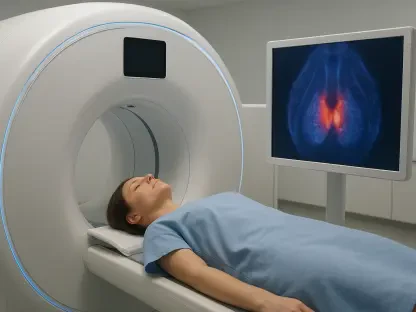
The expansion of the emergency department at Nepean Hospital has fundamentally altered the pace and precision of trauma care in the region. By doubling the previous capacity, the facility now utilizes a sophisticated triage system that segregates minor injuries from life-threatening emergencies with surgical accuracy. This structural change ensures that patients presenting with critical conditions, such as strokes or cardiac events, are transitioned into specialized treatment bays within minutes of arrival. Furthermore, the inclusion of a dedicated pediatric emergency zone addresses a long-standing gap in localized care, providing a tailored environment for children and their families during stressful medical events. These upgrades have drastically reduced the time between initial presentation and definitive clinical intervention, which is a critical factor in patient outcomes for high-acuity cases. The integration of onsite imaging within the emergency wing further minimizes transit times, allowing for rapid internal assessments without the need for patient transfers.
Surgical Precision: Specialized Facilities and Birthing Suites
Beyond emergency services, the new clinical tower houses a massive increase in operating theater capacity, designed to handle everything from routine elective procedures to complex neurosurgery. Each theater is equipped with high-definition digital imaging and robotic-assisted surgical systems that allow surgeons to perform minimally invasive procedures with unprecedented accuracy. This technological leap not only improves surgical success rates but also significantly shortens the recovery periods for patients, allowing for a higher throughput of surgical cases. Simultaneously, the birthing suites have been reimagined to provide a more holistic and comfortable environment for expectant mothers while maintaining immediate access to neonatal intensive care. These suites integrate advanced monitoring systems that remain unobtrusive but provide real-time data to medical staff, ensuring safety remains paramount during labor. The synergy between high-tech surgical capabilities and patient-centered maternity care highlights the hospital’s diverse operational strengths and its focus on comprehensive family health.
Patient Experience: Digital Evolution and Smart Systems
Data Connectivity: Digital Health and Automation
The implementation of a comprehensive digital health record system across the hospital has streamlined the flow of information between departments, reducing the risk of clerical errors and delayed diagnoses. Medical staff can now access a patient’s full history, imaging results, and medication charts from handheld devices at the bedside, fostering a more interactive and transparent dialogue with patients. This level of connectivity extends to the hospital’s pharmacy and laboratory services, where automated dispensing and processing systems have accelerated the delivery of critical treatments. By utilizing real-time data analytics, the hospital administration can monitor bed occupancy and staff allocation dynamically, responding to surges in demand before they result in bottlenecks. The shift toward a paperless environment not only enhances operational efficiency but also contributes to a more sustainable healthcare model by significantly reducing physical waste. These smart systems are the foundation upon which the hospital is building its reputation for precision and reliability in patient management.
Strategic Progress: Future-Proofing Community Health Systems
The completion of the Nepean Hospital redevelopment project established a sustainable framework for managing the health of a burgeoning urban population. Rather than relying on traditional reactive medical models, the institution shifted its focus toward proactive community engagement and preventative wellness programs that extended far beyond the hospital walls. The design of the new facilities emphasized environmental sustainability and therapeutic architecture, which played a crucial role in reducing patient stress and accelerating healing timelines. Stakeholders observed that the strategic investment in specialized training for medical personnel ensured that the new technology was utilized to its maximum potential, fostering a culture of continuous learning and innovation. The hospital effectively demonstrated that large-scale public infrastructure could be both technologically advanced and human-centric, providing a blueprint for future developments. By prioritizing the integration of telehealth services from 2026 to 2030, administrators solidified long-term accessibility for remote residents.