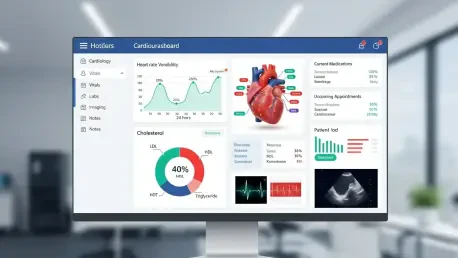

In the modern landscape of cardiovascular medicine, where diagnostic accuracy and rapid intervention are paramount to patient survival, the implementation of specialized Electronic Medical Records has evolved into a cornerstone of clinical excellence. These systems do not merely serve as repositories for patient data; instead, they function as dynamic hubs that facilitate seamless communication among various healthcare providers, including cardiologists, surgeons, and primary care physicians. By centralizing vital information, such as real-time vitals, imaging results, and historical treatment responses, these platforms provide a comprehensive “shared patient context” that is essential for managing the multifaceted nature of heart disease. This level of integration ensures that every member of the care team is aligned, reducing the likelihood of medical errors and preventing the fragmentation of care that often occurs when patients move between different specialties. As medical practices navigate the complexities of chronic disease management, these digital tools offer a strategic advantage, allowing for a proactive and coordinated approach to patient health.
Clinical Precision and Information Sharing
Managing Complex Symptoms: A Unified Approach
Addressing the immediate needs of cardiac patients often requires an agile response to sudden physiological changes, such as new-onset arrhythmia or worsening shortness of breath. Specialized EMRs enable these rapid responses by offering visible, real-time updates on laboratory results and diagnostic imaging, ensuring that any clinician attending to the patient has the most current information at their fingertips. This transparency is particularly valuable during shift changes or when transferring a patient between units, as it provides a clear and unambiguous record of all recent interventions and medication adjustments. By establishing a single source of truth, these systems eliminate the need for redundant patient questioning and ensure that every action taken is informed by the latest clinical data. This streamlined flow of information not only improves the safety of patient handoffs but also allows the medical staff to act with greater confidence and precision during critical moments, ultimately leading to faster delivery of life-saving care and significantly better outcomes.
Beyond the immediate management of acute symptoms, these integrated systems play a vital role in ensuring that multidisciplinary teams can maintain long-term clinical accuracy without the risks associated with manual data entry or fragmented communication channels. When a cardiac patient presents with comorbid conditions such as renal failure or chronic obstructive pulmonary disease, the ability of the EMR to synthesize data from multiple specialists becomes a critical factor in preventing adverse outcomes. By providing a holistic view of the patient’s health, these tools allow for the creation of synchronized care plans that account for the interactions between various treatments and medications. Furthermore, the use of standardized clinical templates ensures that all relevant data points are captured consistently, allowing for more effective peer review and quality assurance within the practice. This collaborative environment fosters a culture of continuous improvement, where the insights gained from one patient’s trajectory can be used to refine the care protocols for the entire population.
Enhancing Medication Vigilance: Safety and Tracking
Medication management represents another area where integrated digital records prove indispensable, especially for patients dealing with the complications of polypharmacy and various comorbidities like diabetes or renal insufficiency. Cardiovascular EMRs allow healthcare providers to monitor high-stakes medications, such as anticoagulants and potent anti-hypertensives, with a high degree of scrutiny by tracking their impact on electrolytes and kidney function over time. The software can automatically alert clinicians to potential drug interactions or dosage requirements based on the patient’s most recent lab results, providing an essential layer of safety that manual systems simply cannot replicate. Furthermore, by visualizing longitudinal trends in blood pressure and weight across multiple visits, these systems help physicians identify subtle signs of decompensation that might be missed in isolation. This ability to spot patterns early allows for proactive adjustments to treatment plans, such as modifying a diuretic regimen before fluid retention leads to a hospital admission.
The strategic implementation of these digital frameworks successfully empowered healthcare organizations to build a more resilient and sustainable future for cardiovascular medicine by prioritizing interoperability and data-driven decision-making. Medical leaders who prioritized the full integration of cardiovascular EMRs discovered that they could more effectively bridge the gaps between inpatient and outpatient care, creating a seamless experience for patients navigating the complexities of heart disease. This transition was supported by ongoing investments in staff training and the adoption of standardized data entry protocols, which ensured that the information within the system remained accurate and highly useful for all stakeholders. To continue this progress, practitioners should now focus on exploring advanced artificial intelligence integrations that can further refine predictive modeling and personalized treatment algorithms. By maintaining a commitment to digital innovation and collaborative care, the industry successfully navigated the challenges of a changing landscape.