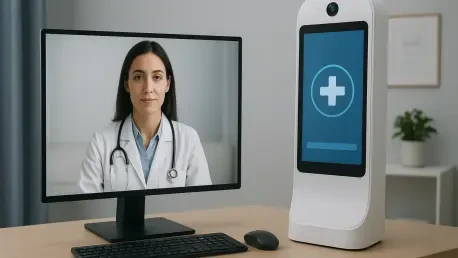

Ingenio Medical Group intends to function as the connective tissue between disparate healthcare settings, such as virtual clinics, local specialists, and diagnostic laboratories. This initiative emerges at a time when the American healthcare system remains deeply fragmented, often leaving patients to navigate a labyrinth of referrals and follow-up appointments without a cohesive guide. By launching a national virtual care service, the organization addresses the drop-off point where digital consultations frequently lose momentum before reaching local implementation. Under the leadership of Dr. Ravi Badlani and Dr. Deepak Mital, the group seeks to transform the standard telehealth encounter from a transactional moment into a longitudinal journey. This strategy leverages the IngenioCare.ai platform to manage the transition from the screen to the exam table, ensuring that the initial clinical intent is realized through tangible actions. The move signals a broader trend toward integrated health services that prioritize patient outcomes over simple convenience.
A Hybrid Model for Modern Medicine
Integrating Human Expertise With Artificial Intelligence
The synergy between clinical professionals and the IngenioCare.ai platform serves as the defining feature of this new service. Unlike traditional models that treat artificial intelligence as a replacement for human judgment, Ingenio utilizes its proprietary algorithms to handle the heavy lifting of healthcare logistics. This includes automating the processing of specialist referrals and identifying the most cost-effective diagnostic centers nearby, which allows physicians and nurse practitioners to remain focused on the nuance of diagnosis and treatment plans. By streamlining the administrative burden that typically bogs down the provider-patient relationship, the system ensures that every recommendation is supported by a clear path forward. This approach effectively removes the guesswork for patients who might otherwise feel overwhelmed by the complexity of modern medical pricing and insurance authorizations. Consequently, the platform acts as a digital navigator that stays with the patient from the first video call to the final lab result.
Beyond immediate logistics, the platform is built to facilitate longitudinal health management, which tracks patient data over multiple touchpoints to maintain a continuous record of care. This shift away from episodic telehealth visits allows the medical group to monitor chronic conditions and wellness goals with a level of precision previously reserved for high-end concierge practices. By aggregating data from various clinical interactions, the AI provides clinicians with a holistic view of the patient history, highlighting trends that might be missed in isolated visits. This depth of information empowers licensed physicians and physician assistants to make more informed decisions while keeping the patient engaged through proactive reminders and follow-up coordination. The technology essentially creates a persistent health profile that follows the individual across state lines, ensuring that geographical barriers do not compromise the quality of care. This focus on continuity represents a maturation of the virtual care sector, moving it toward a comprehensive medical home model.
Strengthening the Local Healthcare Ecosystem
A fundamental tenet of the Ingenio model is the rejection of the idea that virtual care must compete with local medical infrastructures. Instead, the medical group positions itself as a collaborative extension of existing clinics and health systems, designed to fill the gaps that local providers often lack the bandwidth to manage. Many community-based practices struggle with the administrative overhead required to ensure that patients actually complete their referrals for imaging, laboratory tests, or specialist consultations. By serving as a digital assistant for these local entities, Ingenio improves the completion rates of critical medical tasks, thereby enhancing the overall efficacy of the regional healthcare network. This cooperative approach helps to mend the silos that historically isolated virtual clinicians from the physical facilities where many treatments must occur. When a virtual consultation results in a need for a physical biopsy or a complex scan, the AI platform identifies the most appropriate local site and facilitates the necessary paperwork to ensure a seamless handoff.
The reduction of system fragmentation is not merely a logistical convenience; it is a critical factor in improving patient safety and reducing the costs associated with redundant testing or missed diagnoses. By acting as the connective tissue, Ingenio ensures that information flows efficiently between the virtual doctor and the physical specialist, preventing the loss of vital clinical data during transitions of care. This connectivity is particularly beneficial for rural or underserved areas where access to specialists may be limited and the coordination of travel for medical services is a significant hurdle. Furthermore, by providing local clinics with a scalable way to manage digital follow-ups, the organization allows these practices to maintain their focus on hands-on care without sacrificing the benefits of modern digital navigation. The resulting ecosystem is one where the digital and physical realms are no longer separate entities but are instead two parts of a unified delivery system. This integration fosters a more resilient healthcare environment that can adapt to needs.
Implementing Actionable Steps for Future Care
During the initial phases of implementation, the organization focused on establishing a robust network of in-person providers to support the national rollout. This process involved vetting regional imaging centers, physical therapy clinics, and specialized diagnostic labs to ensure they met the high standards required for integrated care. The team successfully demonstrated that AI-driven navigation could significantly reduce administrative friction and improve referral completion rates across diverse medical settings. By prioritizing the logistical details of the patient journey, the initiative solved the last-mile problem that had previously limited the effectiveness of digital health consultations. Clinical leaders observed that patients who received consistent digital support were much more likely to complete their prescribed treatment plans. This success highlighted the importance of viewing technology not as a standalone solution, but as a critical facilitator of physical medical interventions. These early milestones provided a scalable framework for future healthcare delivery that emphasized continuity and coordination.
Moving forward, the industry realized that the integration of digital navigation with local clinical expertise was the most effective way to restore efficiency to the national healthcare system. Practitioners were encouraged to adopt hybrid models that utilized artificial intelligence to manage non-clinical tasks, thereby freeing up more time for direct patient interaction. Strategic planners recommended that future developments should focus on incorporating social determinants of health, such as transportation and local support services, into the digital navigation ecosystem to further reduce barriers to care. The transition from fee-for-service models to value-based care was accelerated by the availability of platforms that could track and improve patient adherence in real-time. Organizations that invested in these collaborative technologies found themselves better equipped to handle the complexities of modern population health management. Ultimately, the lessons learned from this rollout suggested that the most successful medical interventions were those that combined human empathy with the precision of AI.