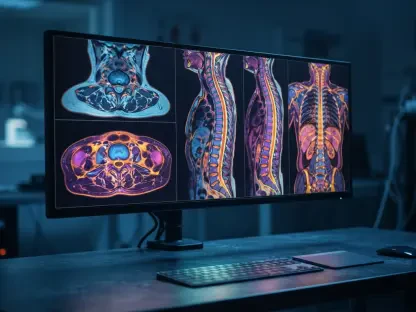

Innovative healthcare models are now utilizing neurology-specialized nurse practitioners to increase patient volume without sacrificing the quality of specialized oversight. As the demographic landscape shift continues into 2026, the demand for cognitive health services has reached an unprecedented peak, leaving traditional brick-and-mortar clinics struggling to maintain adequate service levels. Families navigating the complexities of Alzheimer’s disease and related dementias often find themselves trapped in an administrative limbo, waiting for appointments while the window for early intervention slowly closes. This systemic strain is not merely a logistical inconvenience but a clinical crisis that demands a fundamental reimagining of how neurological expertise is distributed across the population. Virtual clinics have emerged as a necessary evolution, transforming the patient journey from a series of exhausting physical commutes into a streamlined, digitally-enabled experience that prioritizes rapid assessment and ongoing support. By leveraging sophisticated telecommunication tools and specialized staffing models, these platforms are successfully dismantling the barriers of distance and wait times that have historically hindered effective memory care.
The transition toward a more agile healthcare framework is driven by a recognition that traditional methods are no longer sufficient to meet the scale of the current cognitive health challenge. While the medical community has long relied on a centralized model where specialists are concentrated in urban academic centers, the rise of specialized telehealth platforms is democratizing access to top-tier neurological care. These platforms integrate advanced diagnostic algorithms with human expertise to provide a comprehensive care experience that begins long before a patient ever steps into a physical office. This shift is particularly vital for those living in rural “medical deserts,” where the nearest behavioral neurologist might be hundreds of miles away. By bringing the clinic into the home, healthcare providers are not only improving the efficiency of the diagnostic process but also reducing the immense psychological and financial burden placed on caregivers who must often take time off work and arrange complex transport for their loved ones.
The Diagnostic Bottleneck: Understanding Clinical Urgency
Addressing the Crisis: The Impact of Geographic and Systemic Delays
The debilitating delay in the traditional diagnostic pipeline remains one of the most significant challenges facing modern neurology today. In many regions, the wait for a comprehensive memory assessment can span from eight months to well over a year, a duration that is clinically unacceptable for a progressive neurodegenerative condition. During this extended waiting period, patients often experience significant cognitive decline, which can lead to preventable crises such as medication errors, falls, or severe behavioral changes that place an enormous strain on the family unit. The frustration experienced by families is compounded by the lack of interim support, leaving them to navigate the early stages of cognitive impairment without a formal diagnosis or a clear care plan. This administrative bottleneck creates a high-stress environment that can accelerate the patient’s decline, as the absence of professional guidance often results in missed opportunities for lifestyle interventions and environmental modifications that could preserve functioning.
Furthermore, the impact of these delays is not distributed equally, with underserved communities and rural populations bearing the brunt of the specialist shortage. The geographic concentration of behavioral neurologists in major metropolitan areas means that millions of Americans are effectively locked out of early-stage care. This disparity creates a two-tiered system where those with the means to travel or pay for private, expedited assessments receive timely care, while others are left to wait in an overburdened public system. Virtual clinics address this inequity by decoupling specialized care from physical location, allowing a neurologist in a major medical hub to evaluate a patient in a remote farming community with the same level of expertise. This expansion of the diagnostic footprint is essential for creating a more equitable healthcare landscape, ensuring that the timing of a dementia diagnosis is determined by clinical need rather than a patient’s zip code or ability to travel.
Clinical Windows: Why Early Intervention Matters for Modern Therapies
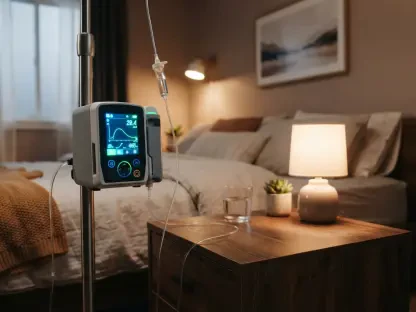
The urgency for a prompt diagnosis has been profoundly intensified by recent breakthroughs in Alzheimer’s treatment, specifically the widespread availability of monoclonal antibody infusions. These innovative therapies, which target and remove amyloid plaques in the brain, have a very specific therapeutic window and are primarily indicated for patients in the mild cognitive impairment or early-stage dementia phases. Because these drugs are most effective before significant neuronal loss has occurred, a delay of six to twelve months can be the difference between a patient qualifying for a potentially life-altering treatment and being deemed too advanced for the therapy. The 2026 clinical guidelines emphasize that time is of the essence; once a patient crosses the threshold into moderate dementia, the risk-to-benefit ratio of these infusions often shifts, making early detection the primary gatekeeper for the most advanced medical interventions available today.
Beyond the immediate pharmacological benefits, early diagnosis serves as a critical foundation for long-term care planning and risk mitigation. When a diagnosis is delivered early, the patient still possesses the cognitive capacity to participate in important legal, financial, and medical decisions, ensuring that their future care aligns with their personal values and preferences. This proactive approach significantly reduces the likelihood of emergency room visits and hospitalizations, which are often the result of unmanaged symptoms or caregiver burnout. By utilizing virtual clinics to accelerate the diagnostic timeline, healthcare systems can transition from a reactive model of crisis management to a proactive model of chronic disease oversight. This shift not only improves the quality of life for the patient and their family but also generates substantial cost savings for the broader healthcare system by preventing the complications associated with advanced, unmanaged dementia.
Advantages of the Virtual Care Model: Redefining the Patient Experience
Home Observation: Enhancing Clinical Accuracy Through Environmental Context
One of the most profound advantages of the virtual care model is the ability for clinicians to observe patients within the familiar surroundings of their own homes. Traditional clinical environments are notoriously stressful for individuals experiencing cognitive decline, often leading to “white coat syndrome” where anxiety causes a temporary spike in symptoms or, conversely, a “show-timing” effect where the patient exerts massive effort to appear more functional than they truly are. In contrast, a virtual visit allows a neurologist or nurse practitioner to see the patient in their natural state, providing a more authentic representation of their daily functioning. Clinicians can observe how a patient interacts with their living space, notice the presence of safety hazards, or even evaluate the contents of a medicine cabinet during a live video tour. This environmental context offers invaluable diagnostic clues that are simply unavailable in a sterile office setting.
Moreover, the home-based assessment allows for a more relaxed and nuanced dialogue between the clinician and the family. In a traditional office, the pressure of a timed appointment and the unfamiliarity of the surroundings can make it difficult for caregivers to remember and report subtle changes in behavior or personality. When the consultation happens in the living room, the atmosphere is more conducive to an open, honest discussion about the realities of daily life. The clinician can witness firsthand the dynamics between the patient and their primary caregiver, identifying signs of stress or support needs that might not be articulated in a formal interview. This holistic view of the patient’s ecosystem enables the development of a highly personalized care plan that addresses the specific functional challenges of the individual’s environment, ultimately leading to better outcomes and a more sustainable caregiving situation.
Family Inclusion: Building a Comprehensive Support Network
Telehealth has fundamentally changed the way families participate in the care of a loved one with dementia by removing the barriers of distance and scheduling. In the modern era, adult children often live in different states or lead busy professional lives that make it difficult to attend every in-person medical appointment. Virtual clinics solve this problem by allowing multiple family members to join a consultation from different locations simultaneously. This multi-way communication ensures that everyone in the support network receives the same information directly from the specialist, eliminating the “telephone game” where critical details about a diagnosis or treatment plan are lost or misinterpreted as they are passed from person to person. When the entire family is on the same page, the decision-making process becomes more collaborative and less prone to conflict, which is essential for the long-term management of a progressive illness.
The integration of remote family members also enhances the diagnostic process by providing a broader range of observations. Different family members may notice different symptoms depending on their frequency of contact or the nature of their relationship with the patient. A daughter who visits every weekend might notice subtle changes in grooming, while a son who speaks to the patient daily on the phone might be more aware of repetitive questioning or word-finding difficulties. Virtual clinics provide a platform where these diverse perspectives can be synthesized into a more comprehensive clinical picture. This collaborative model also extends into the post-diagnostic phase, as virtual platforms often include messaging features and support groups that keep the family connected to the care team. This ongoing engagement helps caregivers feel more supported and empowered, reducing the sense of isolation that so often accompanies a dementia diagnosis.
Strategic Staffing: Balancing Specialized Expertise with Accessibility
A central pillar of the virtual clinic’s success is the strategic utilization of a diversified healthcare workforce, particularly neurology-specialized nurse practitioners. By leveraging advanced practice providers who have undergone rigorous training in cognitive disorders, online clinics can significantly expand their patient capacity without compromising the depth of expertise. These practitioners operate under the close supervision of board-certified neurologists, handling much of the initial intake, cognitive testing, and routine follow-up care. This model allows the neurologists to focus their time on the most complex diagnostic questions and the oversight of advanced treatment protocols. This tiered approach to care is essential for addressing the chronic shortage of specialists, ensuring that patients can be seen in weeks rather than months while still receiving oversight from the world’s leading experts in brain health.
Furthermore, this staffing model fosters a more continuous and accessible form of care. While a traditional neurologist might only be available for a brief visit every six months, a team-based virtual clinic can offer more frequent check-ins and 24/7 access to nursing support. This constant availability is crucial for managing the unpredictable nature of dementia, where behavioral symptoms or medical concerns can arise at any time. Specialized nurse practitioners often have more time to dedicate to caregiver education and behavioral management strategies, which are just as important as pharmacological treatments in maintaining the patient’s quality of life. By integrating these professionals into the core of the diagnostic and care process, virtual clinics are creating a more resilient and responsive system that can adapt to the evolving needs of the patient over time, rather than just providing a one-off diagnostic event.
Navigating Clinical and Technical Limitations: A Realistic Perspective
The Physical Barrier: Replicating the Neurological Exam Remotely
Despite the significant advancements in telecommunication, there remain inherent challenges in replicating every aspect of a traditional neurological exam through a digital interface. A comprehensive physical assessment often requires a hands-on approach to evaluate muscle tone, strength, and reflex responses, which are difficult to quantify through a video screen. One of the most critical elements of a dementia evaluation is gait analysis—observing how a patient walks, turns, and maintains balance. While family members can be instructed to point a camera at the patient’s feet, the nuances of a shuffling gait, a lack of arm swing, or subtle postural instabilities can be obscured by low-resolution video or poor camera angles. These physical markers are often key indicators of specific types of dementia, such as Parkinson’s disease dementia or Normal Pressure Hydrocephalus, and their absence or misinterpretation can complicate the diagnostic process.
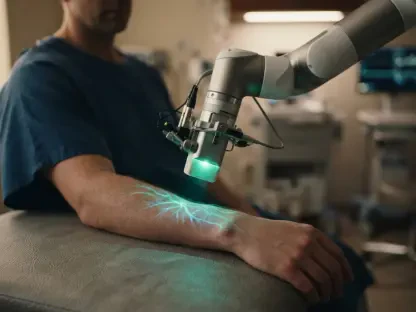
In addition to gait and motor skills, sensory testing presents another hurdle for virtual clinicians. Assessing a patient’s sense of smell, vision, and peripheral sensation provides vital clues about the health of different regions of the brain. While some specialized kits can be mailed to a patient’s home to facilitate these tests, they still rely on the patient or a caregiver to administer them correctly and report the results accurately. There is also the issue of subtle physical cues, such as a slight tremor or a specific type of eye movement, which a doctor in the same room might catch instantly but could be missed due to video compression or lighting issues. To mitigate these gaps, virtual clinics are increasingly adopting hybrid models where certain physical assessments are performed by local primary care providers or specialized mobile health units, ensuring that the final diagnosis is supported by a complete physical profile.
The Digital Divide: Technology as Both Solution and Hurdle
The very technology that makes virtual clinics possible can also act as a significant barrier for the population it is intended to serve. Many individuals currently at risk for dementia are older adults who may not have grown up with digital technology and may find navigating complex health portals or video conferencing software to be overwhelming. For a person already struggling with memory loss or executive dysfunction, the task of logging into a secure meeting or troubleshooting a microphone issue can be a source of immense frustration and anxiety, potentially skewing the results of a cognitive assessment. This “tech divide” is further complicated by sensory impairments that are common in the elderly, such as hearing loss. If the audio quality of a virtual visit is poor, the patient may struggle to understand the clinician’s instructions, leading to a breakdown in communication and a potentially inaccurate evaluation of their cognitive abilities.
Beyond the challenges of technological literacy, geographic disparities in high-speed internet access continue to pose a threat to the widespread adoption of virtual dementia care. In many rural areas, where the need for remote specialists is highest, unreliable connectivity can lead to dropped calls and pixelated video that disrupts the clinical flow. To address these systemic hurdles, innovative virtual clinics are beginning to offer “high-touch” technological support, such as sending home health aides to a patient’s residence specifically to set up the equipment and facilitate the visit. Other organizations are partnering with local community centers or libraries to create “telehealth hubs” where patients can access high-quality equipment and reliable internet in a comfortable, local setting. These efforts are essential for ensuring that the benefits of virtual care are accessible to all, regardless of their technical proficiency or geographic location, thereby preventing a new digital form of healthcare inequality.
The Future of the Integrated Care Ecosystem: A Sustainable Path Forward
Collaborative Infrastructure: Bridging the Virtual and Physical Divide
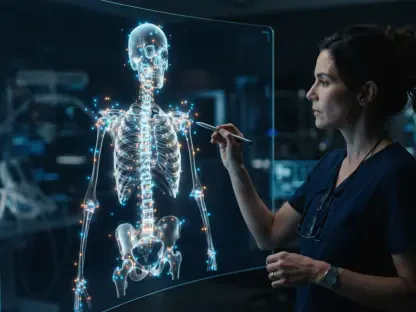
The future of dementia care lies in a sophisticated hybrid model that seamlessly integrates the speed of virtual platforms with the necessary physical components of traditional medicine. Virtual clinics do not exist in a vacuum; they function as the “brain” of a distributed care network that relies on local infrastructure for tangible diagnostic data. When a virtual specialist suspects a cognitive disorder, they coordinate with local labs for blood work and imaging centers for high-resolution MRIs or PET scans. This “hub-and-spoke” architecture ensures that the expertise of a specialized neurologist is combined with the objective data provided by local medical facilities. By 2026, this integration has become more fluid, with digital health records allowing for the immediate transfer of imaging and lab results between local providers and remote specialists, creating a unified diagnostic experience for the patient.
This collaborative approach also extends to the long-term management of the condition. While the virtual clinic may provide the primary neurological oversight, the patient’s local primary care physician remains a vital partner in managing co-morbidities and providing hands-on care. This synergy allows for a more holistic treatment strategy where the specialist can focus on the nuances of cognitive health while the local doctor ensures that the patient’s overall physical health is maintained. For instance, a virtual clinic might adjust a patient’s memory medication while the local doctor monitors their blood pressure and manages their diabetes, with both providers communicating through a shared digital platform. This integrated ecosystem reduces the burden on the patient and caregiver, as they no longer have to act as the primary messengers between different medical offices, leading to a more coordinated and effective care journey.
Policy and Reimbursement: The Path to Sustainable Telehealth
As we progress through 2026, the sustainability of virtual dementia clinics is being bolstered by significant shifts in federal policy and insurance reimbursement. Recognizing the immense value of telehealth in managing chronic, age-related conditions, Medicare and major private insurers have expanded their coverage to include not just the initial virtual consultation but also ongoing remote patient monitoring and caregiver support services. This regulatory evolution is a crucial step in making virtual care a permanent fixture of the healthcare landscape, as it provides the financial stability necessary for clinics to invest in advanced technology and specialized staff. These policy changes also include the creation of specific reimbursement codes for the time spent by nurse practitioners and social workers, acknowledging that effective dementia care requires a multidisciplinary effort that goes beyond a simple doctor-patient interaction.
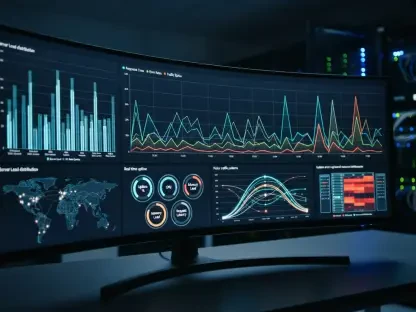
The forward-looking perspective of these regulatory shifts is also driving innovation in the way we track and manage cognitive health at the population level. With the formal recognition of virtual clinics, there is a growing body of data that demonstrates the efficacy of remote care in reducing emergency room visits and delaying nursing home placement. This evidence-based approach is encouraging more health systems to adopt virtual models as a way to manage their growing backlogs of neurology patients. The next steps in this evolution will likely involve the integration of wearable technology and home-based sensors that can provide real-time data on a patient’s sleep patterns, activity levels, and medication adherence. By combining this “passive” data with the “active” insights from virtual visits, the healthcare community can create a truly continuous and personalized care model that represents the gold standard for dementia management in the modern era.
In the previous decade, the medical community struggled to provide timely neurological care, but the widespread adoption of virtual clinics has successfully transformed the diagnostic landscape. By 2026, these platforms provided a crucial lifeline for families, effectively reducing wait times and expanding access to specialized expertise regardless of geographic location. The integration of neurology-specialized nurse practitioners allowed for a high-volume, high-quality care model that prioritized early intervention and continuous caregiver support. Healthcare systems successfully bridged the gap between digital and physical care by coordinating with local imaging and lab facilities, ensuring that every virtual diagnosis was backed by rigorous clinical data. These advancements moved the conversation from whether telehealth was viable to how it could best be optimized to serve a diverse and aging population. In the coming years, the focus must remain on closing the digital divide and refining remote examination techniques to ensure that the promise of accessible, expert-led dementia care is fulfilled for every patient.