
The sudden transformation of a pandemic-era contact tracing tool into a sophisticated, AI-driven personal health assistant represents one of the most ambitious digital public infrastructure projects ever undertaken within a large-scale democracy. While many nations struggled to maintain the momentum of digital health initiatives after the global health crisis subsided, the National Health Authority has successfully pivoted Aarogya Setu into a central pillar of the Ayushman Bharat Digital Mission. This evolution moves the application far beyond its original scope, turning it into a secure digital vault that stores comprehensive medical histories and personal health records for millions of citizens across diverse demographics. By integrating high-level machine learning and cloud-based architecture, the platform now addresses the chronic fragmentation of medical data that has historically hindered effective treatment in both urban and rural healthcare settings throughout the country. This technological leap ensures that every patient’s journey is accessible at their fingertips, creating a unified ecosystem where data flows securely.
Converting Fragmented Medical Records into Structured Clinical Intelligence
A significant challenge in the current healthcare landscape is the prevalence of unstructured data, which often consists of handwritten doctor notes, scanned physical reports, and non-standardized digital files. To solve this problem, the platform utilizes a collaboration with Google to implement the Gemma AI model, a state-of-the-art framework designed to extract clinical intelligence from messy documentation. This AI-powered pipeline automatically identifies critical medical parameters such as dosage instructions, diagnosis codes, and lab results, transforming them into the internationally recognized FHIR format. By converting these disparate pieces of information into a machine-readable structure, the system ensures that every piece of data becomes a functional part of the patient’s digital profile. This technical sophistication allows for much faster processing of historical records that would otherwise remain locked in physical cabinets or incompatible digital silos, ultimately saving time for clinicians and improving the accuracy of care.
The implementation of this AI-driven extraction process does not merely focus on digitization but emphasizes the high precision required for sensitive medical contexts. Through a combination of large language models and rigorous rule-based validation, the system minimizes the risks of hallucinations or incorrect data mapping that often plague standard artificial intelligence applications. These safeguards are essential for maintaining the integrity of clinical data, as even a minor error in medication history or blood type could have life-threatening consequences for a patient. By strictly adhering to standardized medical terminologies, the platform creates a common language that different hospital management systems can understand regardless of their original proprietary software. This foundation of structured data acts as the bedrock for more advanced diagnostic tools and predictive analytics, allowing the healthcare system to transition toward sophisticated clinical decision support that assists doctors in making the most informed choices.
Optimizing Patient Outcomes through Networked Continuity and Sovereignty
Seamless portability of medical information remains the primary benefit for the hundreds of millions of users who have already linked their health records within the expansive national network. In the current year, patients no longer find themselves burdened by the need to carry physical folders of X-rays and prescriptions when moving between different specialists or traveling to different regions for treatment. Instead, medical practitioners can access a summarized health chart that provides a clear and chronological view of a patient’s medical history, which is particularly beneficial during telemedicine consultations where physical examination is limited. This immediate availability of clean data reduces the likelihood of redundant diagnostic testing, thereby lowering the financial burden on families and the broader healthcare system. The integration of these tools into remote care platforms ensures that even the most isolated communities can receive a level of diagnostic accuracy that was previously reserved for major metropolitan medical centers.
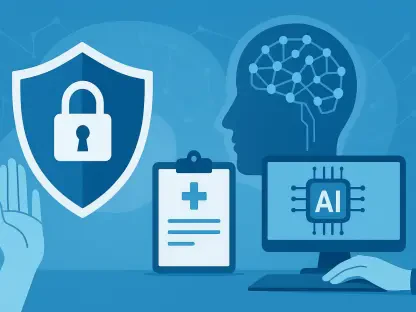
The transition toward this comprehensive digital framework was finalized with a strict adherence to user sovereignty and the implementation of a robust consent-based architecture. To maintain trust, the system ensured that individuals remained the sole owners of their medical information, requiring explicit digital authorization before any provider could view their sensitive health data. Developers further democratized this technology by releasing the underlying Medical Data Toolkit as an open-source resource, which allowed smaller clinics and local startups to build compatible infrastructure without prohibitive costs. By providing these pre-optimized frameworks, the initiative fostered a competitive yet collaborative environment for domestic innovation in the health-tech sector. Ultimately, the repurposing of the application into a versatile health management tool demonstrated how existing digital assets could be leveraged to bridge the gap between fragmented legacy systems and a unified, modern healthcare ecosystem.