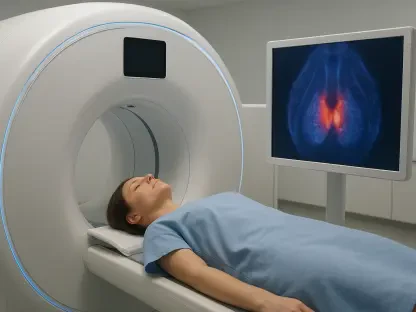

The historical incompatibility between magnetic resonance imaging and life-sustaining cardiac hardware has long forced thousands of patients into a difficult choice between diagnostic clarity and personal safety. Athens-Limestone Hospital, an integral member of the Huntsville Hospital Health System, has effectively dismantled this barrier by launching a dedicated MRI scanning service for patients with implantable cardiac devices. This initiative addresses a long-standing medical dilemma where the powerful magnetic fields of an MRI scanner could potentially disrupt the delicate programming of pacemakers and defibrillators. By establishing a rigorous protocol that combines specialized software with expert oversight, the facility now ensures that residents no longer need to travel to distant metropolitan centers for these critical evaluations. This transition reflects a sophisticated shift in local healthcare, moving away from a model of restricted access toward a more inclusive diagnostic environment that prioritizes patient convenience and immediate clinical intervention.
Remote Technology: Real-Time Specialist Collaboration
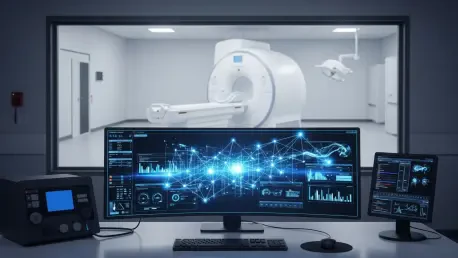
The cornerstone of this clinical advancement lies in the implementation of remote programming capabilities that connect radiology teams with cardiac device specialists in real-time. Previously, the necessity for a physical representative from a device manufacturer to be present during an MRI scan created significant logistical bottlenecks, often resulting in wait times that stretched for several weeks or months. Now, the hospital utilizes secure digital interfaces that allow for the instantaneous adjustment of device settings into a safe MRI mode and back to normal function immediately after the scan is completed. This technological bridge removes the requirement for specialized on-site personnel, allowing the imaging department to operate with a level of flexibility and speed that was previously unattainable. By integrating these remote solutions, the healthcare system has optimized its internal workflow, ensuring that the presence of a pacemaker is no longer a hindrance to receiving a same-day or next-day diagnostic scan when medical urgency demands it.
Beyond the immediate technical adjustments, this service expansion provides a vital lifeline for diagnosing complex and time-sensitive conditions such as aggressive cancers and neurological disorders. Magnetic resonance imaging remains the gold standard for soft-tissue visualization, yet many patients with cardiac implants were historically excluded from these tests or forced to undergo less definitive alternative imaging. By offering this specialized service in Athens, the hospital facilitates faster detection of anomalies that could go unnoticed with standard CT scans or ultrasounds. Medical leaders emphasize that the ability to perform these scans locally reduces the physical and emotional burden on patients who are often already managing chronic heart conditions. The integration of high-resolution imaging with cardiac safety protocols represents a significant leap forward in precision medicine, as it allows for highly personalized treatment plans based on comprehensive data. This approach not only improves the accuracy of initial diagnoses but also enhances the long-term monitoring of treatment efficacy for high-risk individuals.
Clinical Outcomes: Future Directions and Strategic Innovation
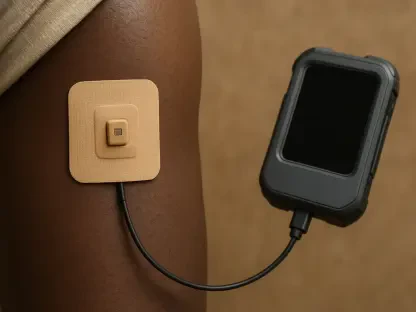
The successful implementation of this specialized MRI service proved that the integration of remote technology in clinical settings could bridge the gap between advanced medical needs and local accessibility. Hospital administrators observed that by streamlining the intersection of cardiology and radiology, the facility achieved a more efficient diagnostic pathway that significantly improved patient outcomes through faster intervention. Moving forward, healthcare organizations were encouraged to adopt similar collaborative models to maximize the utility of their existing diagnostic infrastructure. These institutions recognized that the key to modernizing regional healthcare lay in the proactive adoption of remote monitoring and digital communication tools. By prioritizing these innovations, clinical leaders established a new standard for patient-centered care that balanced safety with technological sophistication. The next steps for the industry involved scaling these remote solutions to include other types of implantable hardware, such as neurostimulators and insulin pumps.
Building upon the operational success of the cardiac MRI program, medical staff focused on refining the training protocols for radiology technicians to ensure a seamless transition for every patient. The data collected during the initial phase of the rollout indicated that reducing the distance a patient traveled for specialized care directly correlated with higher compliance rates for follow-up screenings. This insight prompted hospital leadership to explore further investments in telemedicine and remote diagnostic support across other departments. By removing the silos between specialized device manufacturers and local clinical teams, the hospital created a blueprint for regional medical centers to provide top-tier diagnostic services. The long-term vision shifted toward a fully integrated digital health ecosystem where patient hardware was managed through centralized, high-security platforms. This strategy ensured that the evolution of medical devices did not outpace the ability of community-based hospitals to provide comprehensive diagnostic support, ultimately fostering a more equitable landscape for healthcare delivery.