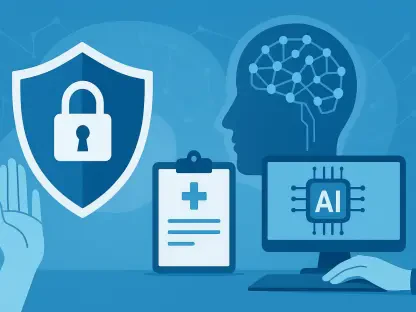

The traditional prior authorization process has long served as one of the most significant bottlenecks in the American healthcare system, often delaying critical patient care while clinicians and insurers navigate mountains of paperwork and fragmented data silos. While administrative reviews are designed to ensure medical necessity and cost-effectiveness, the manual nature of these tasks has historically led to provider burnout and patient frustration. To address this persistent friction, Anterior and Stellarus Health have finalized a strategic collaboration aimed at deploying sophisticated artificial intelligence agents to streamline the entire authorization lifecycle. This partnership represents a shift toward a more fluid, data-driven ecosystem where clinical decisions are validated in near real-time rather than over several weeks. By integrating Anterior’s specialized large language models with Stellarus’s operational workflows, the organizations aim to reduce the administrative burden on nursing staff and medical directors who previously spent hours on manual review.
The Automated Workflow: Bridging the Gap in Clinical Reviews
Anterior has developed a proprietary platform that functions as a specialized clinical co-pilot, designed specifically to interpret complex medical documentation and cross-reference it with specific payer policies. Unlike generic large language models that often struggle with the nuances of clinical terminology, Anterior’s technology leverages clinical reasoning to extract relevant data points from electronic health records and unstructured physician notes. This capability allows the system to build a comprehensive clinical picture that aligns with the specific criteria required for a procedure or medication approval. When Stellarus Health integrates these agents into their existing infrastructure, the result is a system that can pre-screen requests for accuracy and completeness before they even reach a human reviewer. This proactive approach significantly diminishes the frequency of “pend” statuses, where insurers request additional information, thereby accelerating the timeline from the initial request to the final approval.
The integration of these advanced automation tools fundamentally alters the daily operations of clinical review teams by shifting their focus from tedious data entry to high-level clinical decision-making. Nurses and medical directors who previously spent a substantial portion of their shifts manually searching for specific keywords or lab results within massive PDF files can now rely on AI agents to surface pertinent information instantaneously. This shift not only improves the speed of reviews but also enhances the consistency of the decisions being made, as the AI applies the same clinical criteria across every case without the variability inherent in manual human review. Moreover, the platform provides a clear audit trail that explains exactly why a particular recommendation was reached, citing the specific pages and sections of the medical record used as evidence. This transparency is crucial for maintaining trust between providers and payers, as it ensures that the automation is grounded in verifiable medical facts.
The successful deployment of AI-driven automation by Anterior and Stellarus established a new benchmark for how technology could bridge the gap between clinical intent and administrative compliance. Stakeholders across the healthcare continuum observed that the primary benefit of this integration was the reclamation of clinical time and the reduction of friction between disparate entities. Future implementations required a rigorous focus on data interoperability and the continuous refinement of AI models to keep pace with evolving medical guidelines. Organizations that adopted these automated workflows found themselves better positioned to manage the complexities of value-based care and population health management. Moving forward, the industry prioritized the expansion of these tools into other administrative domains, such as claims processing and credentialing, to further simplify the healthcare experience. Ultimately, the partnership demonstrated that purposeful automation was not merely an efficiency gain but a fundamental requirement for a modern, responsive healthcare system.