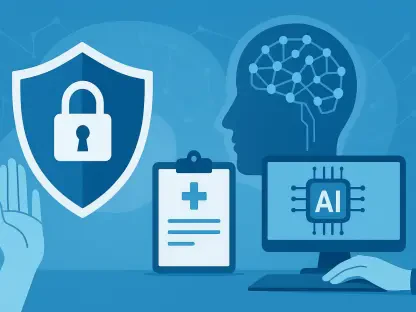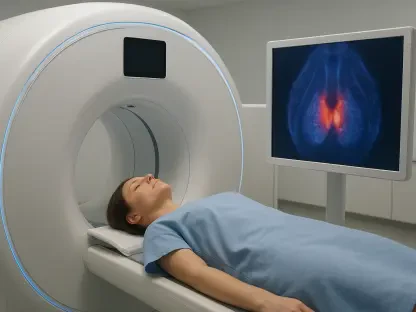

The global healthcare sector is currently witnessing a monumental shift as predictive analytics and artificial intelligence transition from experimental concepts to the very backbone of modern clinical diagnostics and long-term patient management. This transition is not merely a theoretical exercise but a multi-billion dollar industrial revolution that is estimated to propel the AI disease prediction market to a staggering valuation of $8.02 billion by 2030. Unlike traditional methods that rely on symptomatic presentation, these advanced systems analyze vast datasets—including electronic health records, lifestyle metrics from wearable devices, and complex genetic sequences—to identify risks long before physical signs emerge. For instance, major healthcare systems are already deploying specialized algorithms to flag early markers of chronic kidney disease and cardiovascular anomalies with a degree of precision that was previously unattainable. This surge reflects a broader commitment to reducing the burden on hospital infrastructure by preventing acute crises through early intervention. As health tech giants and nimble startups collaborate, the integration of these tools into standard practice is becoming a baseline expectation for high-acuity care centers. The focus remains on longitudinal data analysis where the machine identifies subtle patterns in blood pressure or glucose levels that a human clinician might overlook during a brief consultation. This systematic shift toward preemptive action is the driving force behind the aggressive growth rates observed across North American and European markets.
Precision Diagnostics: Advanced Algorithms in Clinical Practice
The actual mechanics of this market expansion are rooted in the rapid refinement of deep learning architectures and natural language processing tools that can interpret unstructured clinical notes with remarkable speed. Hospitals and diagnostic laboratories are increasingly utilizing platforms like those developed by specialized tech firms to automate the screening processes for complex pathologies such as pulmonary fibrosis and various metastatic cancers. These systems do not replace the physician but rather serve as an intelligent co-pilot, surfacing high-risk cases for immediate review based on historical data correlations. From 2026 to 2030, the emphasis will move toward explainable AI, where the models provide clear reasoning for their predictions, thereby increasing clinician trust and patient safety. Furthermore, the convergence of multimodal data—combining imaging results with real-time biometric streams—is creating a more holistic view of patient health. This allows for the creation of digital twins, which are virtual representations of a patient used to simulate various treatment outcomes and disease progressions without exposing the individual to risk. This technological maturity ensures that the predictive accuracy of these tools continues to climb, even when faced with rare conditions that lack extensive training datasets. By leveraging synthetic data generation, developers have begun to overcome the hurdles of data scarcity, further broadening the scope of what these algorithms can reliably forecast in a clinical setting.
Strategic Implementation: Navigating Regulatory Landscapes and Ethical Adoption
To successfully navigate this evolving landscape, healthcare organizations prioritized the establishment of robust data governance frameworks and ensured full compliance with updated medical device regulations. Decision-makers recognized that the path to $8.02 billion required more than just sophisticated code; it demanded an unwavering focus on interoperability and the elimination of data silos that previously hindered large-scale analysis. The industry moved toward standardized protocols for AI validation, ensuring that predictive models remained accurate across diverse demographic populations to mitigate inherent biases. Strategic investments were directed toward training medical staff to interpret algorithmic outputs effectively, bridging the gap between data science and bedside care. Moving forward, the successful adoption of these technologies hinges on maintaining transparent communication with patients regarding data privacy and the limitations of predictive modeling. Providers that adopted a hybrid approach—integrating machine insights with compassionate human judgment—found themselves at the forefront of the value-based care movement. These organizations invested in scalable cloud infrastructure to handle the massive influx of telemetry data, ensuring that real-time monitoring leads to immediate clinical action. These steps laid the necessary groundwork for a more resilient and efficient global healthcare ecosystem that emphasizes prevention over treatment.