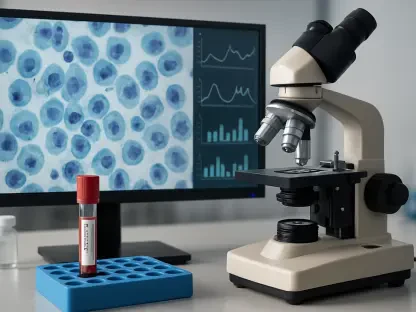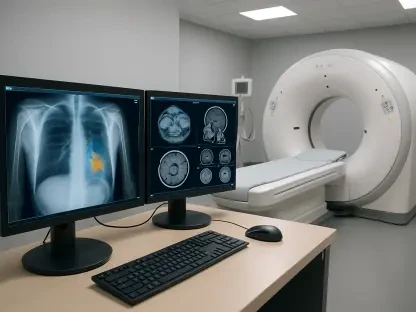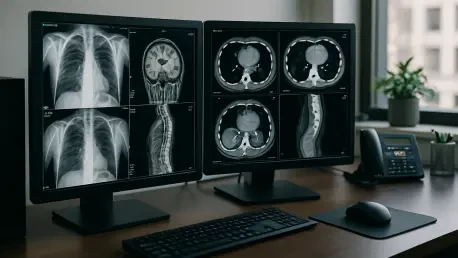
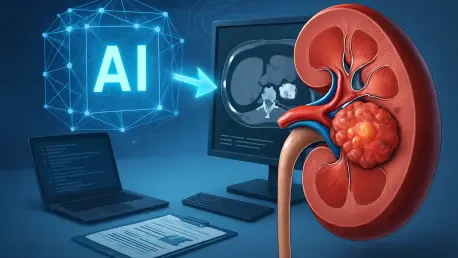
The sheer volume of medical imaging studies performed daily has placed an unprecedented strain on radiologists, creating a critical bottleneck in the diagnostic process where early detection can mean the difference between life and death. With a global shortage of these highly trained specialists
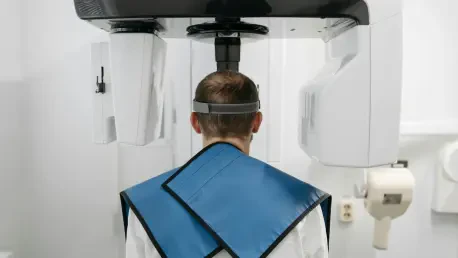
The global nuclear imaging equipment sector is experiencing a period of technologically advanced and sustained growth, with projections indicating the market will expand from its estimated size of USD 7.21 billion in 2025 to a notable USD 9.52 billion by 2034. This expansion, representing a

The echoing hum of a magnetic resonance imaging (MRI) machine can be an intimidating experience for anyone, but for a child, the necessity of remaining perfectly still in a confined space for an extended period often requires the use of general anesthesia. This common medical procedure, while
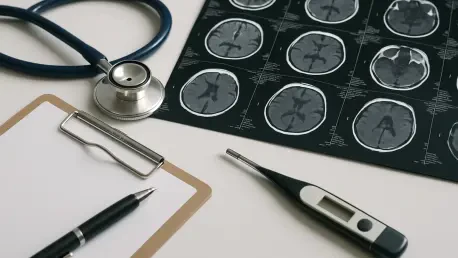
The period of uncertainty between the discovery of a potential health issue and the delivery of a definitive diagnosis often represents the most harrowing part of a patient's journey, a limbo filled with anxiety and speculation for both individuals and their families. This stressful waiting game,
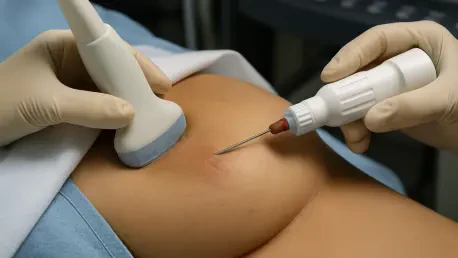
The recommendation for a breast biopsy can trigger a cascade of anxiety and uncertainty, a difficult experience made more common by the limitations of current screening technologies. For many women, particularly those with dense breast tissue, standard mammograms and follow-up ultrasounds often
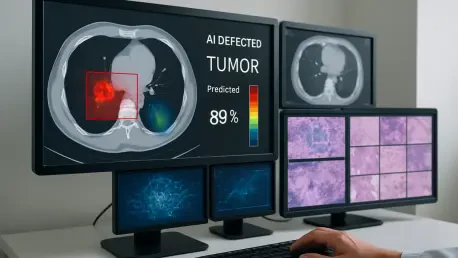
The relentless pursuit of technological solutions in medicine has positioned artificial intelligence as a potential game-changer in the fight against breast cancer, with much of the excitement centered on developing ever-more powerful and complex algorithms. However, a growing body of evidence