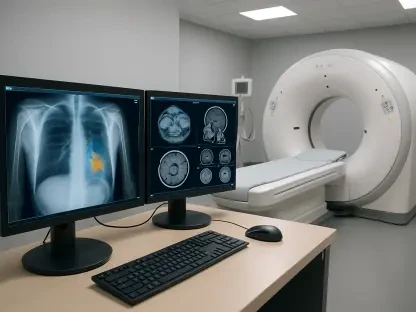
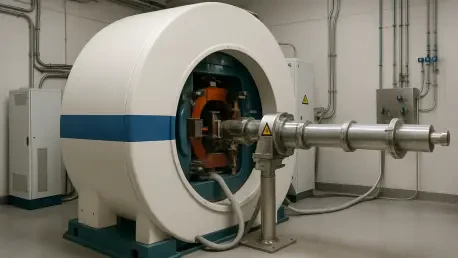
The global healthcare landscape is currently witnessing a transformative shift toward molecular medicine, where the ability to synthesize specific radioactive tracers at the point of care has become a fundamental requirement for modern oncology and neurology departments. As of 2026, the medical
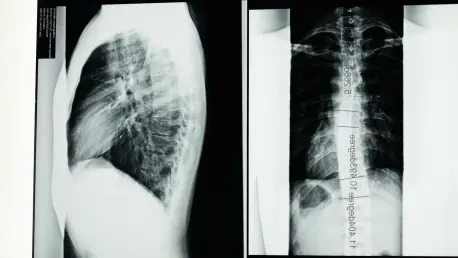
The silent progression of osteoporosis often remains undetected until a debilitating fracture occurs, creating a significant burden on global healthcare systems and reducing the quality of life for millions of aging individuals. Standard diagnostic procedures, while effective, are frequently

Against a backdrop of nationwide financial headwinds and legislative uncertainty, the University of Iowa Health Care has unveiled a strategic, self-funded capital improvement plan exceeding $32 million, a proposal now awaiting approval from the Board of Regents. This comprehensive initiative is

A startling revelation from a comprehensive analysis of U.S. insurance claims data indicates that the foundational diagnostic procedures for Myasthenia Gravis (MG) are being alarmingly overlooked, leaving a significant portion of patients without a definitive, lab-confirmed diagnosis. The study,

Navigating the complexities of brain cancer treatment often involves a perilous journey through diagnostic uncertainty, where distinguishing between tumor regrowth and treatment-related side effects can be a formidable challenge for clinicians. In a significant move to address this critical need,
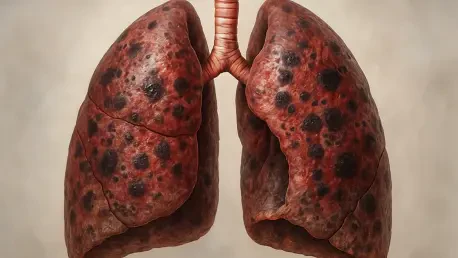
A recent retrospective observational study has illuminated a compelling and somewhat counterintuitive relationship within the complex pathology of chronic obstructive pulmonary disease (COPD), suggesting that higher levels of a specific white blood cell, the eosinophil, are associated with more