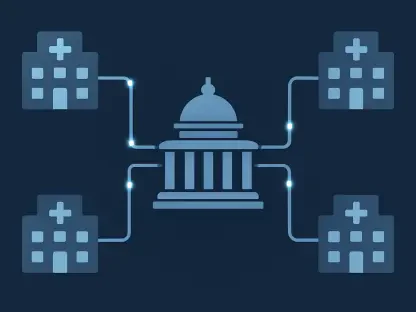

The persistent nuisance of the medical clipboard has long remained a symbol of inefficiency and administrative stagnation within the modern healthcare landscape. Patients frequently find themselves tethered to waiting room chairs, repeatedly filling out the same demographic and insurance

The ability to transform raw medical billing codes and pharmacy records into a coherent narrative of public health progress has historically been one of the most significant challenges facing state administrators across the United States. In Arkansas, this challenge was met head-on through a decade

The manual configuration of clinical trial databases has remained one of the most persistent hurdles in modern medicine, consuming thousands of hours and delaying the delivery of life-saving treatments to patients who need them most. While medical science has advanced at a lightning pace, the

James Maitland is an expert in healthcare data architecture and regulatory compliance, with a focus on the intersection of government policy and managed care operations. With years of experience navigating the complexities of Medicare Advantage risk adjustment and CMS oversight, James provides a

The modern medical landscape is currently undergoing a monumental shift from reactive treatment to proactive health management, a movement largely propelled by the innovative efforts of the medical technology startup PONS. Born from pioneering research at Rutgers University, the company is
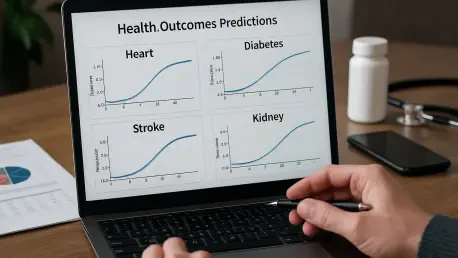
Every tap, swipe, and scroll on a smartphone generates a digital footprint that reveals more about an individual’s internal state than traditional self-reporting methods ever could. Researchers at Stanford University have harnessed this continuous stream of data through a pioneering concept known