Hackers specifically targeted Ridgeway Pharmacy to extract a combination of personal identifiers, prescription histories, and financial payment details from their database. This discovery in August 2026 sent immediate ripples through the healthcare community, as it exposed the vulnerabilities of

To maintain patient confidentiality during remote reviews, healthcare facilities must implement rigorous access controls and comprehensive digital audit trails for every electronic record. The National Medical Commission (NMC) recently released a pivotal advisory that fundamentally shifts how
The Scope of the California Class Action Litigation: Allegations have surfaced that Dexcom retained sensitive consumer data for longer than necessary, creating an avoidable risk for identity theft and financial exploitation by cybercriminals. This legal controversy has led to three nationwide class

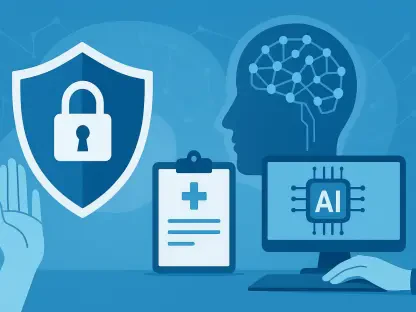
The Intersection of Clinical Rigor and Digital Autonomy The seamless integration of artificial intelligence into the clinical environment has progressed from a distant aspiration to an immediate operational necessity for modern health systems. As October 2026 unfolds, the industry is witnessing a

Physicians are strictly prohibited from sharing or delegating their digital access tokens to maintain the security of remote medical record authentication. As healthcare continues its rapid transformation toward a fully digital ecosystem, the National Medical Commission (NMC) has stepped in to

California law allows medical providers to use professional judgment in emergency scenarios to disclose a patient's general condition or location to family members when the patient is incapacitated. This fundamental provision serves as a vital safety net within the Confidentiality of Medical
1 2 3 4 5 6 7 8 9 10 11 12 13 14 15 16 17 18 19 20 21 22 23 24 25 26