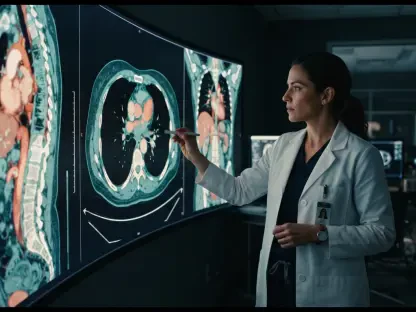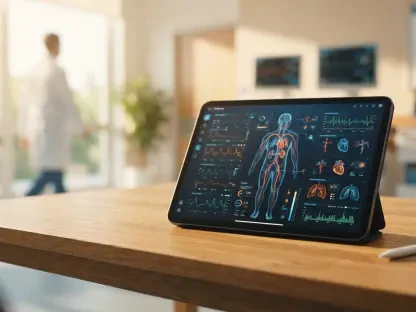
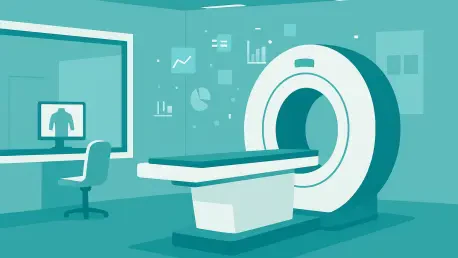
Integrating AI technology into the existing teleradiology workflow allows Krsnaa to maximize the utilization of its capital assets without increasing fixed costs. This strategic partnership with Azmed reflects a broader movement within the healthcare sector to stabilize diagnostic accuracy while
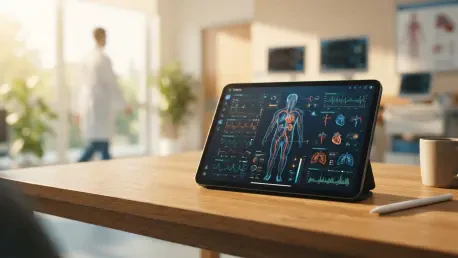
The deployment of programmatically matched clinical documentation against medical necessity guidelines at the point of care effectively eliminates traditional administrative delays for providers. For decades, the healthcare industry has struggled with the burdensome reality of manual oversight,
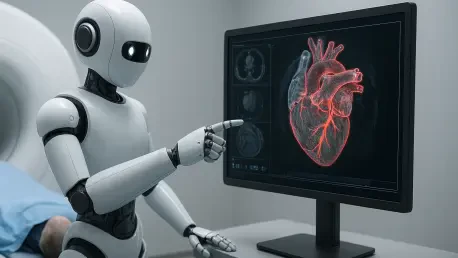
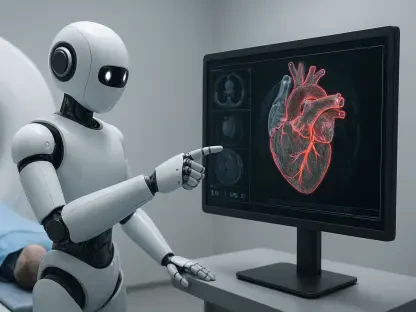
A study of 10,000 hospital records revealed that diagnostic accuracy often collapses when medical AI is exposed to the unique image characteristics of the ORIZURU robotic platform. This phenomenon, frequently described as domain shift, occurs when an algorithm trained in a specific, controlled
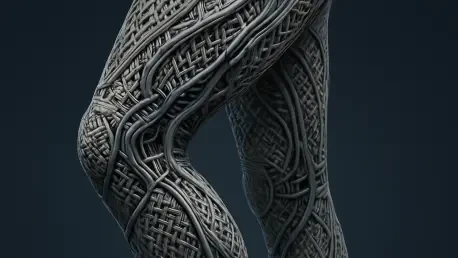
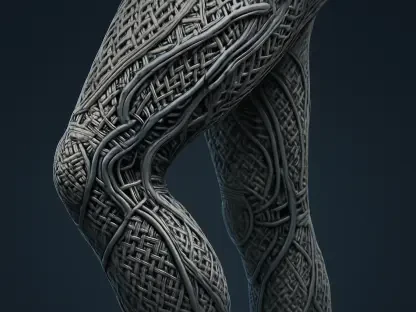
By treating warp-knitted and braided structures as functional mechanical elements, engineers can create garments that offer both high stretchability and rigid support. This breakthrough, championed by researchers at the BioRobotics Institute of Scuola Superiore Sant’Anna, marks a definitive
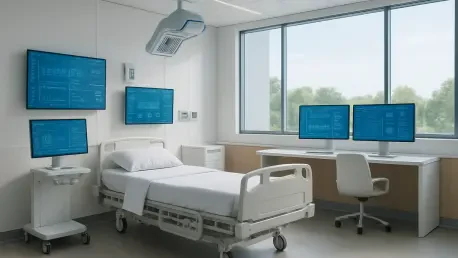
A sophisticated track-and-trace system monitors the movement of pharmaceuticals from central medical stores down to the specific patient at local rural clinics. This transformation marks a departure from a long history of paper-based documentation that frequently resulted in logistical delays and
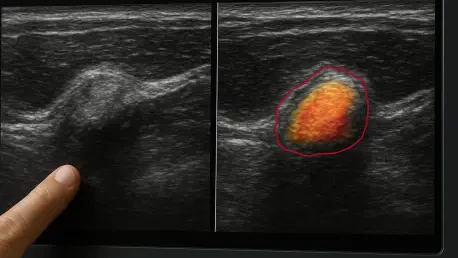
Traditional imaging methods like DECT and MRI offer high accuracy for gout diagnosis but remain limited by their high cost and lack of portability. In the management of advanced gout, the presence of tophi—dense accumulations of monosodium urate crystals—serves as a definitive marker of disease
1 2 3 4 5 6 7 8 9 10 11 12 13 14 15 16 17 18 19 20 21 22 23 24 25 26 27 28 29 30 31 32 33 34 35 36 37 38 39 40 41 42