
The recent passage of House Bill 5295 and Senate Bill 3341 marks a transformative moment for Illinois as the state solidifies its legal infrastructure to protect reproductive freedoms and broaden healthcare access for residents and visitors alike. These measures represent a calculated response to the fractured legal environment surrounding reproductive rights, where digital surveillance and restrictive state policies have created significant barriers to essential care. By focusing on the intersection of healthcare technology and patient privacy, Illinois officials are closing loopholes that could otherwise allow out-of-state entities to track and penalize individuals for seeking legal medical services. This strategy not only serves the local population but also positions the state as a critical refuge for those living under more restrictive jurisdictions. As these laws take effect, they establish a precedent for how a state can use legislative authority to mitigate the risks associated with modern electronic health records while expanding minor rights.
Shielding Digital Footprints: The Reproductive Health Privacy Act
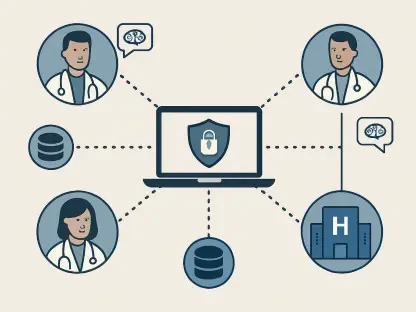
House Bill 5295, known as the Reproductive Health Privacy Act, introduces a sophisticated technical shielding mechanism designed to protect sensitive patient data within expansive national healthcare databases. Rather than deleting medical histories, which could disrupt the continuity of care within a specific facility, the law permits patients to request that their reproductive or gender-affirming care records be hidden from external view. This approach addresses a significant vulnerability in modern electronic health records, where data is often shared across state lines through interconnected software networks without explicit patient awareness. By isolating these specific diagnoses and procedures, the state ensures that a patient’s medical history remains accessible for local clinicians while remaining invisible to entities in jurisdictions where such care might be criminalized. This shielding process is a strategic utilization of data management to uphold confidentiality in a digital age.
The implementation of these privacy measures is fundamentally about preventing the weaponization of digital health information against vulnerable populations who travel long distances for care. Illinois legislators recognized that the interconnected nature of contemporary healthcare platforms could inadvertently expose patients to legal jeopardy once they return to their home states. By mandating that electronic health record vendors provide robust privacy controls, the law places the burden of protection on the technology providers who facilitate information exchange. This shift from individual responsibility to systemic regulation is a necessary evolution in healthcare law, as it recognizes that most patients do not have the technical expertise to manage their own digital footprint. Moreover, this legislative framework provides a clear mandate for healthcare organizations to prioritize data privacy over the convenience of automated information sharing and ensures that clinical software remains a healing tool.
Healthcare Migration: Protecting the Safety of Medical Refugees
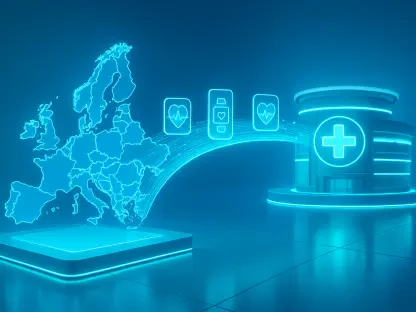
The necessity for these rigorous privacy protections is highlighted by the significant influx of out-of-state patients who now travel to Illinois from regions with severe reproductive health restrictions. Lawmakers and healthcare providers frequently describe these individuals as medical refugees, as they are often forced to cross several state borders to obtain services that are no longer available in their local communities. This massive shift in patient demographics has placed Illinois at the center of a national healthcare crisis, requiring the state to adapt its legal and medical infrastructure rapidly. For these out-of-state visitors, the risk of seeking care does not end once they leave the clinic; the digital trail created by their visit poses a persistent threat to their legal and social standing back home. Without the protections offered by the Reproductive Health Privacy Act, a routine medical inquiry or an insurance claim could trigger an investigation in a hostile jurisdiction.
Beyond the direct threat of legal prosecution, many patients face the danger of informal retaliation, which can be just as devastating to their livelihoods and personal well-being. There have been documented instances where healthcare workers in restrictive states have used shared medical records to identify patients who sought reproductive services elsewhere, leading to reports to law enforcement or child protective agencies. Furthermore, patients fear that their primary care physicians in their home states might drop them from their practice or treat them with hostility if their reproductive history is revealed through automated record updates. The new Illinois laws aim to eliminate the electronic paper trail that facilitates this kind of professional and social fallout. By ensuring that sensitive records are not automatically pushed to out-of-state providers, Illinois protects the broader social stability of its patients and maintains the integrity of the relationship across borders.
Clinical Communication: Balancing Privacy and Patient Care
A central theme during the legislative debate was the challenge of balancing the need for complete clinical communication with the absolute priority of ensuring patient safety in a post-Roe legal climate. Critics of the legislation expressed concerns that fragmenting medical records could potentially lead to safety risks or medical errors if a treating physician lacks a full picture of a patient’s health history. However, proponents of the privacy act countered this by noting that high-quality medical care is often provided in emergency situations where patient history is entirely unknown. Doctors are trained to treat presenting symptoms, such as infections or internal bleeding, using standardized diagnostic protocols that do not strictly depend on a digital record of a previous elective procedure. In this context, the minor risk of incomplete data is outweighed by the severe and immediate risk of legal or social harm that patients face if their records are exposed to hostile government agencies.
To further safeguard the healthcare ecosystem, the new laws include specific liability protections for physicians who may provide care without access to a patient’s shielded medical history. By focusing the regulatory requirements on software vendors and the networks that manage electronic information exchange, Illinois ensures that individual doctors are not unfairly penalized for any complications that arise from data restrictions. This framework acknowledges that the responsibility for data integrity lies with the systems designed to move that data, rather than with the clinicians who are working in good faith to treat their patients. This approach helps to alleviate the concerns of medical professional organizations that were worried about the legal implications of fragmented records. It also reinforces the idea that the healthcare system can adapt to complex privacy needs without compromising professional standards or the quality of emergency interventions in local hospitals.
Minor Autonomy: Modernizing Access to Contraceptive Services
Senate Bill 3341 addresses a different but equally vital aspect of reproductive healthcare by granting all minors the legal right to consent to contraceptive services independently. Previously, the law in Illinois was characterized by a patchwork of requirements that often left young people in vulnerable positions, requiring them to be parents, married, or in specific crisis situations to access birth control without parental involvement. This updated legislation removes these outdated barriers, ensuring that all minors, including those in the foster care system or those living in unstable domestic environments, can access essential healthcare services. By modernizing these standards, Illinois is recognizing that timely access to contraception is a fundamental component of preventative healthcare that should not be hindered by bureaucratic hurdles. This change is particularly significant for young people who may not have a supportive home life or face cultural pressures that prevent discussions.
The expansion of contraceptive access for minors was met with some opposition from groups concerned about parental rights and the potential long-term health effects of hormonal medications on young bodies. However, medical experts and reproductive health advocates have been consistent in debunking myths regarding the impact of modern birth control on future fertility or general health development. They emphasize that contraceptives are used for a wide range of medical purposes beyond pregnancy prevention, such as managing debilitating menstrual cycles and treating hormonal imbalances. By prioritizing the autonomy of the minor, Illinois is taking a stand against medical misinformation and ensuring that the health needs of the younger generation are met with science-based care. The law recognizes that the inability to access contraception can lead to lifelong consequences that far outweigh the concerns regarding parental notification, thus affirming the state’s commitment.
Policy Evolution: Building a Sustainable Framework for the Future
The legislative actions taken by Illinois established a robust framework that successfully mitigated many of the risks associated with modern medical surveillance and restrictive regional policies. By focusing on the technical architecture of healthcare data and the autonomy of individual patients, the state demonstrated how local governance could serve as a powerful check against the extraterritorial reach of hostile legal systems. Stakeholders in the healthcare and technology sectors were encouraged to adopt similar privacy-first protocols, ensuring that patient trust remained the cornerstone of the medical profession. For other states looking to protect their residents, the Illinois model provided a clear roadmap for integrating legal protections with technological solutions. It became evident that maintaining reproductive access required more than just keeping clinics open; it necessitated a comprehensive defense of the digital and legal rights of every individual.
Looking forward, the state focused on ensuring that these protections were consistently enforced across all health information exchanges from 2026 to 2028. This period required constant vigilance as new data-sharing technologies emerged and legal challenges to privacy laws continued to surface in federal courts. Healthcare providers were advised to conduct regular audits of their digital systems to confirm that shielded records remained inaccessible to unauthorized external entities. Furthermore, public health campaigns worked to educate both residents and out-of-state visitors about their rights under the new statutes, fostering an environment where seeking medical care was no longer synonymous with legal risk. By prioritizing systemic resilience and technological integrity, Illinois provided a blueprint for how a sanctuary state could protect bodily autonomy in an era of unprecedented digital connectivity and secure the rights of all seeking professional services.