
In the rapidly shifting landscape of American healthcare, Illinois has solidified its position as a critical sanctuary state for individuals seeking reproductive services amidst a complex web of conflicting regional regulations and digital surveillance concerns. As the national discourse remains fractured, the state government has prioritized the establishment of a robust legal framework intended to defend the personal autonomy of both residents and travelers. The culmination of the most recent legislative session in 2026 saw the passage of comprehensive measures that address the intersection of medical necessity and digital privacy. These policies are not merely reactive; they represent a strategic effort to insulate the healthcare system from external legal pressures that threaten the confidentiality of the doctor-patient relationship. By modernizing existing statutes, Illinois aims to provide a safe harbor for essential services, ensuring that medical care remains a private matter. This proactive stance reflects a broader commitment to public health and civil liberties, positioning the state as a vital hub for reproductive freedom in the Midwest.
Securing Digital Health Records
The Mechanics: House Bill 5295
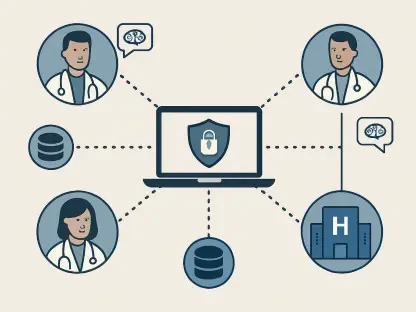
House Bill 5295, formally recognized as the Reproductive Health Privacy Act, introduces a sophisticated technological safeguard designed to manage the flow of sensitive medical information across state lines. In an era where electronic health records are frequently shared through interlinked data exchanges, the risk of sensitive data being accessed by out-of-state entities has grown exponentially. This legislation empowers patients to effectively “mask” or separate records related to reproductive care and gender-affirming treatments from their general medical history. By implementing this digital firewall, Illinois ensures that when a patient’s primary records are shared for routine care in other jurisdictions, their history of reproductive services remains confidential and inaccessible to external actors. This approach acknowledges the reality of modern medical interoperability while prioritizing the safety of individuals who may reside in states where such procedures are currently restricted or criminalized.
The implementation of these privacy shields does not result in the deletion of medical data, but rather places it under a strict layer of patient-controlled access. Medical professionals within the state maintain that preserving a comprehensive record is vital for long-term health monitoring, yet they recognize that the threat of legal weaponization necessitates new forms of data sovereignty. Proponents of the bill argue that without these protections, patients might avoid seeking necessary care due to the fear that their digital footprint could be used against them in civil or criminal proceedings elsewhere. While some critics have voiced concerns regarding the potential for fragmented medical records to complicate emergency care, the legislation includes provisions for physician discretion in life-threatening scenarios. Ultimately, the focus remains on preventing “bad actors” from exploiting the seamless nature of modern digital health networks to track and punish individuals for seeking legal medical services.
Patient Safety: Shielding from Out-of-State Litigation
The surge in patients traveling to Illinois from neighboring states has transformed the local healthcare landscape into a frontline for reproductive rights and legal defense. These “medical tourists” often face the daunting prospect of returning to jurisdictions where their medical choices could result in professional or legal retaliation. The Reproductive Health Privacy Act serves as a vital shield for these individuals, ensuring that their healthcare visits do not leave a trail of evidence that could be subpoenaed by out-of-state investigators. By legally prohibiting the automatic disclosure of reproductive health data to external databases, Illinois is effectively neutralizing the extraterritorial reach of restrictive laws. This legislative barrier is essential for maintaining the integrity of the state’s medical sanctuary status, as it provides tangible security for those who are most vulnerable to the shifting legal tides of the surrounding region.
Beyond the immediate legal protections, this bill addresses the psychological and social impacts of medical surveillance on patient populations. When individuals feel that their private health decisions are being monitored, the resulting stigma can lead to delayed care and worsened health outcomes. Health experts in Illinois emphasize that privacy is a fundamental component of effective healthcare; without it, the trust between a provider and a patient is fundamentally broken. By establishing these new privacy standards in 2026, the state is sending a clear message that medical confidentiality is an absolute priority. This protection extends to the healthcare providers themselves, who are often caught in the middle of conflicting state mandates. By providing a clear legal mandate to protect patient data, Illinois allows doctors to focus on clinical excellence rather than the potential legal ramifications of their documentation practices.
Expanding Autonomy for Younger Populations
Modernizing Access: Senate Bill 3341
Senate Bill 3341 represents a significant evolution in the state’s approach to adolescent healthcare by removing antiquated legal barriers that previously hindered access to contraception. Before the passage of this reform, state law mandated that minors could only consent to birth control if they met narrow criteria, such as being married or having previously parented a child. This restrictive framework often left the most vulnerable youth, including those in the foster care system or in unstable domestic environments, without the means to manage their reproductive health. The 2026 legislation simplifies these requirements, allowing all minors to independently seek contraceptive services and counseling from licensed medical professionals. By aligning state law with modern clinical recommendations, Illinois is prioritizing the health and autonomy of its younger population, ensuring that every individual has the tools necessary to make informed decisions about their own body and future.
The transition toward universal contraceptive access for minors was met with intense debate regarding the role of parental involvement in adolescent decision-making. Critics of the bill suggested that the state was overstepping its boundaries and undermining the traditional family structure by allowing minors to seek medical services without explicit parental notification. However, supporters and child welfare advocates pointed out that for many minors, involving a parent is not always a safe or viable option. The new law does not prevent parental involvement but rather provides a safe alternative for those who need it most. By focusing on the practical realities of adolescent lives, the state is ensuring that healthcare access is not contingent upon a minor’s domestic circumstances. This move is seen as a crucial step in reducing the barriers to preventative care, which remains a cornerstone of the broader public health strategy aimed at empowering the next generation.
Public Health: Impact on Contraceptive Access
The expansion of contraceptive access is grounded in extensive medical research which demonstrates that removing barriers to birth control is one of the most effective ways to improve long-term health outcomes. Medical organizations across the state have championed Senate Bill 3341 as a necessary update that reflects current scientific consensus on adolescent development and reproductive health. By providing minors with the ability to access contraceptives independently, the state is actively working to lower teen pregnancy rates and reduce the incidence of unintended pregnancies. These outcomes are not only beneficial for the individuals involved but also contribute to a more stable and healthy society. Furthermore, the legislation ensures that minors receive accurate, science-based information from healthcare providers, which is essential for fostering a lifetime of responsible health management and informed decision-making in a rapidly changing social environment.
In addition to pregnancy prevention, the availability of contraceptive services allows for the management of various medical conditions that affect young people, such as endometriosis and hormonal imbalances. Advocates argue that treating birth control as a fundamental component of healthcare, rather than a strictly lifestyle-related choice, is essential for reducing the stigma that often surrounds reproductive services. The 2026 reforms also emphasize the importance of privacy for minors, ensuring that their medical records remain confidential and protected from unauthorized access. This level of confidentiality is particularly important for youth who may be seeking care for sensitive issues and who require a safe space to discuss their health without fear of judgment or exposure. By prioritizing evidence-based care and individual privacy, Illinois is setting a standard for how states can support the health and well-being of their younger residents through thoughtful and progressive legislation.
Strengthening Illinois as a Regional Sanctuary
Strategic Defense: Resisting Restrictive Mandates
As a regional stronghold for reproductive freedom, Illinois has developed a comprehensive strategy to resist the encroachment of restrictive mandates from neighboring jurisdictions. The state’s legislative actions in 2026 were specifically designed to create a “legal bubble” that protects the rights of anyone within its borders. This involves not only shielding digital data but also providing legal immunity for healthcare workers who provide services that are legal in Illinois but restricted elsewhere. This strategic positioning recognizes that reproductive rights are increasingly under threat from extraterritorial legal theories that seek to punish interstate travel for healthcare. By building a robust legal infrastructure, Illinois is demonstrating that it will not be intimidated by external political pressure. This commitment is vital for maintaining the state’s status as a sanctuary, providing a reliable destination for those who have lost access to care in their home states.
The collaboration between state legislators, legal experts, and healthcare providers has been instrumental in crafting these defensive measures. Together, they have identified the specific vulnerabilities in the current legal system and worked to close them through targeted legislation. This includes ensuring that state resources are not used to assist in out-of-state investigations related to legal reproductive care and providing a clear framework for how Illinois courts should handle related litigation. These efforts are part of a broader movement among sanctuary states to create a network of protection that spans across regional lines. By taking a firm stand, Illinois is not only protecting its own residents but is also serving as a model for how other states can defend civil liberties in a polarized national climate. The state’s actions highlight the importance of local governance in safeguarding fundamental rights when federal protections are absent or weakened.
Future Security: Sustaining Medical Confidentiality
The state effectively established a framework that prioritized the individual’s right to medical privacy over the demands of external legal entities. By enacting these rigorous standards, Illinois successfully reduced the risk of medical surveillance and provided a blueprint for other states looking to protect their own residents and visitors. Providers were encouraged to review their data management protocols to ensure full compliance with the new privacy “shields” and to educate their patients on the available protections. Policymakers highlighted the need for ongoing vigilance, as technological advancements and shifting legal strategies could require future adjustments to the state’s defensive posture. The implementation of these laws demonstrated a clear commitment to the idea that reproductive health is a fundamental component of bodily autonomy and that the state has a primary duty to protect that autonomy from interference.
Moving forward, the focus shifted toward ensuring that these protections were accessible to all, regardless of socioeconomic status or geographic location within the state. Public health officials initiated outreach programs to inform the community about the new laws, emphasizing the safety and confidentiality of the healthcare system. This approach helped to build trust and ensured that individuals felt secure in seeking the care they needed. The state also invested in training for healthcare workers to help them navigate the complexities of the new regulations and to provide them with the tools necessary to defend their patients’ privacy. By taking these actionable steps, Illinois fortified its healthcare infrastructure against external threats and reinforced its reputation as a leader in reproductive rights. The legacy of these 2026 legislative efforts served as a foundation for a more resilient and private healthcare system, ensuring that reproductive freedom remained a protected reality for all.