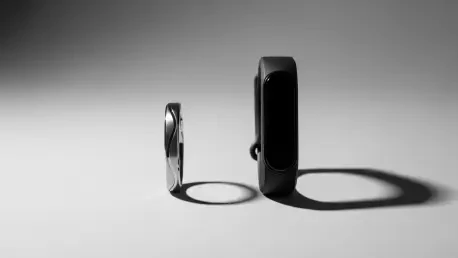

The rapid miniaturization of sophisticated medical sensors has transformed the global wearable technology landscape into a highly segmented market where luxury aesthetics and clinical precision often collide with the growing need for mass-market accessibility. In the current iteration of the health-tech race, the emergence of the Oura Ring 5 and the Fitbit Air highlights a distinct split in consumer priorities and spending habits. While one brand focuses on perfecting the “jewelry-first” philosophy with deep metabolic insights, the other seeks to provide a utilitarian entry point for the average user. This tension between high-end craftsmanship and essential functionality reflects a broader maturation of the industry, where users are no longer satisfied with basic data points but require meaningful context for their health journeys. As biometric tracking becomes a standard component of modern life, the design choices made by these industry leaders will dictate how millions of people engage with their own physiological data, setting a new standard for both the premium and budget sectors.
The Intersection: Luxury Biometrics and Essential Tracking
Building on a foundation of scientific rigor, the Oura Ring 5 utilizes a refined sensor architecture that incorporates new dual-wavelength green and red LEDs alongside infrared sensors to capture blood oxygen levels and heart rate variability with unprecedented fidelity. The hardware is encased in a sleek, aerospace-grade titanium shell that is significantly thinner than previous generations, ensuring that the device remains comfortable for twenty-four-hour wear. This structural optimization is critical for maintaining consistent skin contact, which is the cornerstone of its high-accuracy sleep staging and recovery metrics. By leveraging a proprietary capacitive temperature sensor, the ring can detect minute fluctuations in body temperature, providing an early warning system for potential illness or hormonal shifts. This level of technical sophistication positions the device as a premium health companion for those who value discreetness without compromising on the depth of their biometric insights, effectively bridging the gap between consumer electronics and professional-grade health monitoring tools.
In contrast to the premium positioning of its rivals, the Fitbit Air introduces a streamlined approach to wellness tracking that prioritizes accessibility and ease of use within the Google ecosystem. This budget-friendly alternative removes the more complex metabolic sensors found in high-end devices, focusing instead on the core pillars of activity, resting heart rate, and basic sleep duration. The device is constructed from a lightweight, high-durability polymer that offers excellent water resistance and a battery life that comfortably extends beyond a week on a single charge. By integrating seamlessly with Google Health Connect, the Fitbit Air allows users to consolidate their fitness data across multiple apps, making it an ideal choice for individuals who want a reliable, set-it-and-forget-it tracking experience. This strategy effectively captures a large segment of the market that may be deterred by the high cost of luxury rings or the complexity of subscription-based platforms, providing a solid entry point for basic health monitoring that emphasizes consistency over high-resolution clinical data.
The evolution of the wearable market demonstrated that success depended on catering to specific user archetypes rather than attempting to satisfy all demographics with a single device. Consumers who sought comprehensive physiological oversight gravitated toward the Oura Ring 5, while those who valued simplicity and cost-effectiveness found the Fitbit Air to be a superior fit for their daily routines. This divergence forced manufacturers to be more transparent about data privacy and the actual utility of the metrics they provided, leading to a more informed and health-conscious public. Future considerations for these companies involved the integration of even more non-invasive sensors, such as continuous glucose monitoring and advanced hydration tracking, which promised to further blur the lines between wearable gadgets and medical diagnostics. Ultimately, the industry moved toward a more collaborative environment where different devices could coexist and share data to provide a unified picture of human health. The focus shifted from the hardware itself to the actionable outcomes it facilitated, proving that the true value of health technology lay in its ability to empower users toward sustainable lifestyle changes.