
For years, medical researchers in France faced a daunting administrative mountain, balancing the urgent need for life-saving clinical trials against some of the most stringent data protection laws in the world. This tension reached a pivotal turning point on May 26, 2026, when the National Commission on Informatics and Liberty (CNIL) unveiled comprehensive updates to its foundational Reference Methodologies. These frameworks, specifically MR-001 and MR-003, serve as the bedrock for processing personal health data while ensuring that scientific innovation does not compromise individual privacy. Previously, the French Data Protection Act required a cumbersome prior authorization process for most health studies, creating a bottleneck that often slowed the pace of pharmaceutical development. By refreshing these methodologies, the CNIL has streamlined the path toward compliance, allowing organizations to substitute formal authorization with a simplified declaration, thus harmonizing French research with the rigorous General Data Protection Regulation.
Evolving Governance and Organizational Roles
Clarifying Controllership: A Shift in Legal Classification
One of the most significant adjustments within the revised standards involves the fundamental reclassification of research sites, such as hospitals and specialized clinics, within the data processing chain. Historically, these institutions were often categorized within the role of data processors, acting strictly under the directives of a primary sponsor, but the 2026 updates have removed this restrictive classification to reflect operational realities. This change acknowledges that medical centers often exercise a high degree of autonomy in how they collect and manage patient information, effectively making them independent or joint controllers. By discarding the rigid processor label, the CNIL has brought French regulations into closer alignment with broader European legal interpretations and the recent Biotech Act. This modernization provides research teams with much-needed flexibility to define their legal relationships based on the actual distribution of responsibilities, rather than following a predetermined template.
Defining Accountability: The Joint Controllership Model
In tandem with the new classification of research sites, the updated methodologies place a heightened emphasis on the intricate concept of joint controllership, particularly when multiple entities share decision-making power. When various organizations collaborate on a study, they are now strictly required to formalize their individual duties and liabilities in accordance with Article 26 of the GDPR, ensuring no ambiguity exists regarding data protection. A notable administrative development in this framework is the requirement for every joint controller involved in a specific study to submit their own individual compliance declaration to the CNIL before any data processing begins. While this adds a layer of paperwork, it serves as a critical mechanism for ensuring that every party remains fully accountable for the sensitive health information they handle throughout the research lifecycle. This structured approach prevents the dilution of responsibility that often occurs in large-scale multi-center trials, fostering a culture of transparency.
Legal Grounding and Technological Innovation
Identifying Legal Bases: Aligning with Global Regulations
The updated CNIL standards have introduced a more rigorous approach to identifying the specific legal grounds required for processing sensitive health information in a research context. Data controllers are now mandated to clearly specify a legal basis under Article 6 of the GDPR while simultaneously identifying a valid exception for sensitive data as outlined in Article 9. For private enterprises and pharmaceutical companies sponsoring clinical research, the CNIL generally recommends utilizing legitimate interests as the primary legal justification for data processing activities. Furthermore, the authority has clarified the territorial scope of these regulations to ensure that any research project involving French residents must adhere to these standards, regardless of where the sponsor is located. This extraterritorial application ensures that French data protection rights follow the individual, creating a consistent protective shield that applies to both domestic and international organizations operating within the French medical ecosystem.
Supporting Trial Innovation: The Rise of Remote Research
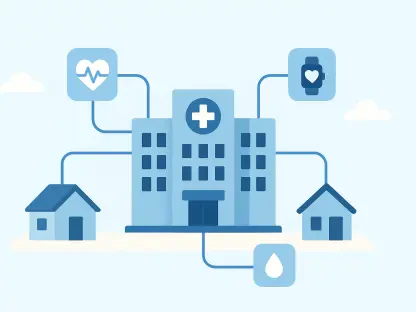
Recognizing the rapid shift toward decentralized clinical trials, the revised methodologies have expanded the definition of a research site to include the private residence of a study participant. This forward-looking adjustment supports the use of remote data collection tools and digital health platforms, which significantly reduce the physical burden on patients who might otherwise struggle to attend frequent hospital visits. However, the CNIL remains somewhat cautious regarding the extent of these activities, as the current standards limit research staff from performing certain clinical follow-up tasks directly inside a patient’s home. Additionally, there remains a notable regulatory gap concerning the handling of technical data, such as system logs and metadata, which are essential for the security of remote trial platforms. As digital medicine continues to evolve, researchers must navigate these specific limitations while ensuring that the infrastructure supporting decentralized trials remains robust and compliant with the overarching security expectations.
Transparency and Transitional Compliance
Enhancing Participant Rights: Digital Transparency and Access
Enhancing transparency for research participants is a core pillar of the updated rules, which now formally endorse the use of electronic privacy notices to inform individuals about their data rights. These notices must provide granular detail, specifically regarding how third-party processors might access administrative data, such as social security numbers or direct contact information. The CNIL has also addressed the complexities surrounding participant rights by clarifying that data controllers cannot easily claim information is anonymous to bypass access requests. If a person can be reasonably re-identified through the use of additional datasets or modern computational techniques, the research entity must maintain the capacity to fulfill data access and deletion requests. To facilitate this, researchers are encouraged to implement sophisticated matching systems that accurately link a participant’s identity to their specific data set without compromising overall security. This ensures that the promise of data protection remains a reality for every individual involved in a study.
Managing Security: The Global Transition to New Standards
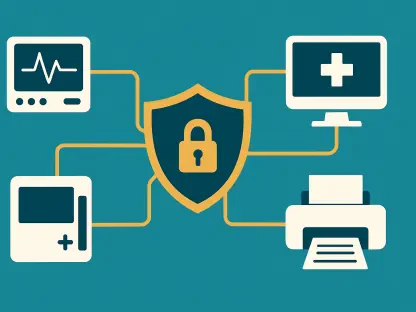
To safeguard the integrity of health data on a global scale, the updated methodologies incorporated new annexes that established high baselines for security and quality control. Sponsors engaged in international projects faced the new requirement of informing participants about the specific countries receiving their data, a logistical shift that necessitated more detailed planning for large-scale global trials. The regulatory framework officially took effect on May 24, 2026, marking a significant milestone in the evolution of French health research standards. While new projects were required to adopt these rules immediately, the CNIL provided a practical transition period for ongoing studies to ensure that active research was not disrupted. Organizations focused on updating their internal data protection impact assessments and refined their contractual agreements with partners to mirror these new requirements. These steps effectively positioned the French research community to lead in a data-driven medical landscape while maintaining the highest level of public trust.