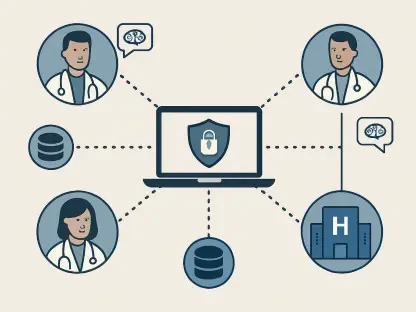

The digital architecture of the American healthcare system faced a significant stress test in May 2026 when DentaQuest, a cornerstone of dental and vision benefits management, confirmed a massive unauthorized exfiltration of sensitive member data. This breach was not merely a localized incident but a widespread compromise that impacted approximately 2.6 million individuals who rely on the organization for their essential healthcare coverage. DentaQuest serves as a critical intermediary in the United States healthcare infrastructure, processing vast amounts of information for individuals enrolled in Medicaid and Medicare Advantage programs across all fifty states. Because the company functions as a central hub for data flowing between government agencies, private providers, and individual members, it possesses a high-value dataset that is naturally attractive to sophisticated cybercriminal syndicates. The loss of 234 gigabytes of sensitive files highlights the persistent challenges facing large-scale health data aggregators who must balance the need for accessibility with the increasingly complex requirements of modern cybersecurity. As these organizations continue to integrate more deeply with cloud-based services and third-party vendors, the potential surface area for attacks grows, demanding a more rigorous approach to identity management and data protection.
Strategic Vulnerabilities: Why Healthcare Administrators Are Prime Targets
Part 1: The Role of Data Aggregation in Modern Benefit Management
Healthcare administrators like DentaQuest operate as vital clearinghouses for personal and medical information, making them one of the most lucrative targets for modern cyber extortionists. In the current landscape of 2026, these organizations manage comprehensive profiles that include not only names and addresses but also sensitive government identifiers and detailed medical transaction histories. The centralized nature of this data management is designed to streamline the delivery of benefits, yet it simultaneously creates a single point of failure where a successful breach can yield a massive haul of usable information. For populations relying on government-subsidized programs, the stakes are particularly high, as these individuals often have fewer resources to mitigate the long-term effects of identity theft. The sheer volume of records involved in this incident underscores the reality that data aggregators are no longer just service providers; they are the custodians of digital identities that require the highest tier of defensive architecture.
The inherent complexity of managing health benefits for all fifty states necessitates a highly interconnected network that spans multiple cloud environments and external provider portals. This interconnectedness, while efficient for processing claims and coordinating care, often introduces hidden vulnerabilities that can be exploited by attackers who specialize in mapping enterprise ecosystems. When a company manages 2.6 million records, the metadata alone can provide hackers with a roadmap of how information moves through the system, allowing them to identify the most sensitive storage repositories. The DentaQuest breach demonstrates that the concentration of data in the hands of a few major administrators creates a systemic risk for the entire healthcare sector. As the industry moves forward, there is an urgent need to reconsider how data is siloed and protected, ensuring that the convenience of central administration does not come at the expense of member privacy and security.
Part 2: Analyzing the Shift Toward Extortion-Based Cybercrime
The group behind this intrusion, the cybercriminal collective known as ShinyHunters, represents a sophisticated shift in the world of digital crime that prioritizes data theft over traditional system disruption. Unlike earlier ransomware groups that focused on encrypting files to demand a fee for their release, these actors specialize in the silent extraction of massive databases from cloud-native environments. By focusing on exfiltration, they avoid the operational noise that typically alerts security teams to a breach, such as system crashes or locked workstations. This method allows them to move through a network with a remarkably low signature, effectively stealing the “crown jewels” before the victim even realizes a perimeter has been breached. Their strategy relies on the high resale value of medical data on the dark web and the significant legal and reputational pressure that health organizations face when sensitive patient information is threatened with public exposure.
In the case of DentaQuest, the refusal to pay a ransom led to the direct leaking of the stolen dataset onto a prominent dark web forum, exposing the private information of millions to the open market. This scorched-earth policy is a hallmark of the ShinyHunters model, designed to demonstrate the consequences of non-compliance and to pressure future victims into paying quickly. The evolution of these tactics from 2026 indicates that cybercriminals are becoming increasingly selective, targeting organizations that possess permanent identifiers that cannot be easily reset. While a stolen credit card can be cancelled in minutes, a Social Security number or a Medicaid ID remains with an individual for a lifetime, providing a permanent asset for those looking to commit long-term financial or medical fraud. This permanent nature of healthcare data ensures that the market for stolen records remains highly profitable, driving further investment from criminal groups into advanced exfiltration techniques.
Tactical Execution: How Cloud Environments Are Compromised
Part 3: The Use of Stolen Credentials and OAuth Tokens
The technical mechanics of the DentaQuest breach reveal a sophisticated reliance on credential abuse rather than the deployment of traditional malware or viruses. The attackers successfully leveraged stolen administrative credentials and OAuth access tokens to gain unauthorized entry into the company’s cloud-based infrastructure. OAuth tokens are a critical component of modern web architecture, allowing different services to communicate and share data without requiring the user to re-enter their password constantly. However, if these tokens are intercepted or stolen, they provide an attacker with a direct “golden ticket” to access sensitive resources while appearing as a legitimate, authenticated user. This method is particularly effective because it bypasses many standard security filters that are designed to look for malicious code rather than abnormal behavior from a seemingly valid account.
Once inside the cloud environment, the ShinyHunters collective engaged in meticulous lateral movement to identify specialized healthcare transaction files that contained the most sensitive member information. By mimicking the patterns of regular data backups or routine service-to-service communications, the intruders were able to transfer 234 gigabytes of data out of the network without triggering immediate forensic alerts. This type of identity-based attack is exceptionally difficult to detect because it exploits the trust inherent in the organization’s own access management system. It highlights a critical weakness in many enterprise security strategies where the focus remains on keeping “bad things” out of the network rather than closely monitoring what “trusted users” are doing once they are inside. The breach serves as a case study in why robust identity governance and continuous authentication have become the most important layers of defense in the current era of cloud-centric operations.
Part 4: Mitigation and the Future of Health Data Protection
In the immediate aftermath of the incident, DentaQuest initiated a comprehensive response that included the notification of federal regulators and the implementation of enhanced monitoring protocols across its digital estate. The organization faced intense scrutiny from law enforcement and privacy advocates who questioned whether the security measures in place were sufficient for an entity of its size and importance. To address the long-term risks, the healthcare sector began to accelerate the adoption of phishing-resistant multi-factor authentication and the implementation of zero-trust architectures. These frameworks operate on the principle that no user or device should be trusted by default, regardless of whether they are inside the corporate network. By requiring continuous verification at every step of the data access process, organizations can significantly reduce the window of opportunity for attackers who manage to compromise a single set of credentials.
The resolution of the DentaQuest crisis provided a blueprint for how large-scale health administrators should refine their disaster recovery and incident response plans. Experts recommended that companies prioritize the rotation of administrative passwords and conduct deep forensic audits of cloud access logs to identify any lingering unauthorized access points. Furthermore, the industry moved toward a more aggressive stance on data minimization, ensuring that only the most necessary information was stored in high-access environments. The breach ultimately forced a transition toward more resilient defensive postures, where the emphasis was placed on protecting identity as the new security perimeter. By focusing on the granular control of data flow and the rapid detection of anomalous behavior, the healthcare community sought to build a more secure future where the records of millions remained protected from the persistent threat of sophisticated extortion groups.