
Sussex has achieved a groundbreaking milestone in the field of healthcare by attaining the highest national ranking for admission avoidance in virtual wards. Virtual wards offer a modern solution for patient care, enabling more people to receive treatment at home instead of in a hospital, through

Essential tremor affects approximately seven million people in the United States, causing involuntary rhythmic muscle contractions that can severely impact daily life. Unlike Parkinson’s disease, essential tremor is defined by these rhythmic movements, particularly in the hands. Traditional

The ongoing evolution of digital healthcare presents significant regulatory challenges that need urgent attention. The Alliance for Connected Care has made a strong appeal to the Centers for Medicare & Medicaid Services (CMS), led by newly confirmed administrator Mehmet Oz, M.D., to address these

In recent years, advances in technology have increasingly integrated with healthcare, aiming to revolutionize how patient monitoring is conducted. One notable player in this domain is Sibel Health, a remote patient monitoring startup that recently secured significant funding. The company’s

Artificial intelligence, specifically through the implementation of Large Language Models (LLMs), is revolutionizing the healthcare industry in unprecedented ways. These advanced technologies are enhancing efficiency, improving diagnostic accuracy, and streamlining patient interactions. As a

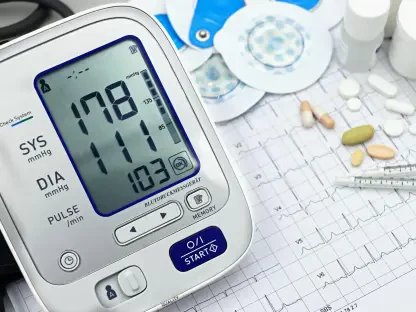
Remote Patient Monitoring (RPM) technologies are making significant strides in leveraging cardiac data to address critical challenges within healthcare systems. As the diversity of healthcare options expands and patient volumes continue to rise, the focus on patient retention and capacity