
The rapid escalation of global temperatures has transitioned from a distant environmental projection to an immediate and multifaceted public health emergency requiring sophisticated interventions. This shift necessitates a bridge between raw climate data and the practical application of healthcare strategies in the field. At the University of Washington, Professor Jeremy Hess recently examined how implementation science can serve as this vital link. The disconnect between knowing a threat exists and successfully deploying a response often results in avoidable mortality. While researchers have long documented the physical impacts of rising heat, the mechanisms for integrating this knowledge into hospital protocols and municipal planning remain underdeveloped. By focusing on frontiers in decision support, experts aim to transform static data into dynamic tools that protect vulnerable populations. This approach shifts the focus from merely studying the problem to actively managing the transition toward a more resilient health infrastructure.
The Rising Threat: Managing Extreme Heat as a Systemic Challenge
Extreme heat now represents a signature challenge within the modern climate crisis, frequently overwhelming local resources that were once sufficient for seasonal variations. Professor Hess highlighted that while individual communities often manage localized weather events with some success, the broader trend indicates a move toward systemic, large-scale crises. The University of Washington Center for Health and Global Environment (CHanGE) is currently spearheading the development of strategies designed to capture these health impacts in real time. These initiatives are essential for supporting the complex decision-making processes required to keep pace with accelerating environmental shifts. Without such frameworks, the response to heatwaves remains reactive rather than proactive, leaving healthcare systems vulnerable to sudden surges in patient volume. By treating heat as a systemic risk rather than a series of isolated incidents, implementation science provides a roadmap for building capacity across diverse geographical regions and socioeconomic contexts.
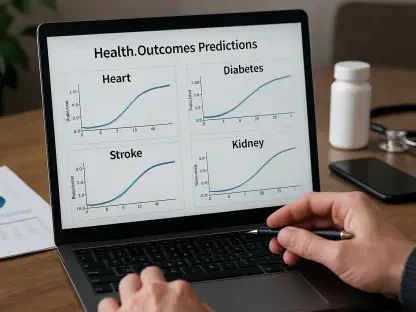
Building on the necessity of proactive management, the role of decision support systems becomes paramount in translating meteorological forecasts into clinical actions. These systems utilize predictive modeling to alert emergency departments about impending spikes in heat-related illnesses, allowing for the strategic reallocation of staff and medical supplies. The integration of environmental data into health records and hospital management software represents a significant leap forward in operational efficiency. Such technological advancements allow for a more nuanced understanding of how environmental stressors interact with existing chronic conditions among the general population. Instead of waiting for a crisis to unfold, administrators can now utilize sophisticated implementation strategies to pre-emptively mitigate the effects of extreme temperatures. This proactive stance is a direct result of applying rigorous scientific methodologies to the logistical challenges of public health. Consequently, the focus remains on ensuring that every community has the tools necessary to adapt to a rapidly changing climate.
Vulnerability Assessment: Addressing Social and Physical Inequities
A critical component of effective climate health intervention involves a deep understanding of social vulnerability and its impact on emergency outcomes. Health risks are not distributed equally across a population; they are heavily dictated by a combination of physical ability, personal agency, and social capital. Individuals who lack access to air conditioning, reliable transportation, or robust social networks are significantly more likely to require medical intervention during extreme heat events. This disparity highlights the need for implementation strategies that account for the diverse realities of modern urban and rural life. An effective public health response must go beyond simply identifying a hazard; it must meticulously map the variables that determine who is exposed and how intense that exposure will be. By identifying these high-risk groups before a heatwave strikes, healthcare providers can tailor their outreach and support services. This targeted approach ensures that resources are directed toward those with the least capacity to recover from environmental shocks independently.
Access to resources remains a primary determinant of health outcomes during environmental emergencies, yet social capital often serves as an overlooked protective factor. In communities where neighbors are connected and communication channels are well-established, the resilience against heat-related illness tends to be higher regardless of economic status. Implementation science seeks to leverage these existing social structures to enhance the effectiveness of public health warnings and intervention programs. Researchers are currently investigating how to integrate community-led initiatives with formal medical responses to create a seamless safety net for the most vulnerable. This includes developing localized cooling centers and mobile health units that can be deployed to specific neighborhoods based on vulnerability mapping data. The focus is on creating a comprehensive ecosystem of care that recognizes the interconnectedness of social, economic, and environmental factors. By addressing these underlying conditions, public health officials can reduce the overall burden on the healthcare system while promoting equity.
Frameworks for Action: Standardizing Resilience and Response
To standardize and optimize responses to environmental health threats, professionals have increasingly turned to established frameworks such as RE-AIM. This model focuses on Reach, Effectiveness, Adoption, Implementation, and Maintenance to evaluate how well a health intervention performs in a real-world setting. In the context of extreme heat, using this framework allows emergency medicine experts to identify gaps in how warning systems are disseminated and how effectively they protect the public. Reach ensures that warnings actually get to the people who need them, while Adoption examines whether municipal leaders and local clinics are willing to utilize the suggested strategies. By applying these metrics, researchers can move past theoretical solutions and focus on the practical logistical hurdles that often prevent life-saving information from being acted upon. The systematic evaluation of these programs ensures that they remain sustainable over the long term, adapting to new challenges as they arise in different environmental contexts.
Looking forward, the transition from understanding the problem to executing a solution required a fundamental shift in how public health policies were designed and maintained. Authorities recognized that merely identifying the worsening trend of climate change did not automatically produce a functional countermeasure. Instead, researchers and policymakers deliberately fostered implementation strategies that enabled communities to deploy timely and organized responses. These efforts resulted in the creation of standardized protocols that healthcare facilities across the country began to adopt to manage the rising frequency of heat-induced emergencies. Actionable next steps included the mandatory integration of climate-risk assessments into all local public health planning cycles and the establishment of dedicated funding for implementation research. By prioritizing the logistical aspects of health delivery, the medical community successfully created a more agile system capable of protecting citizens from the intensifying environmental risks. This focus on execution ensured that advancements in climate science translated directly into improved survival rates.