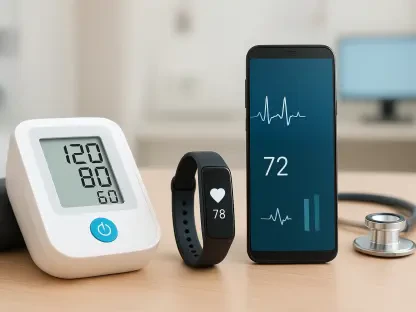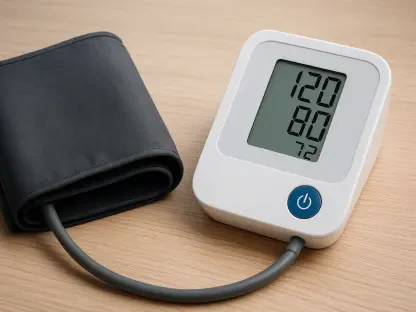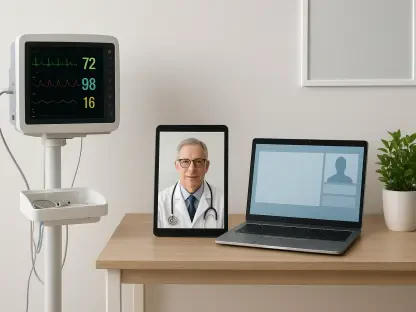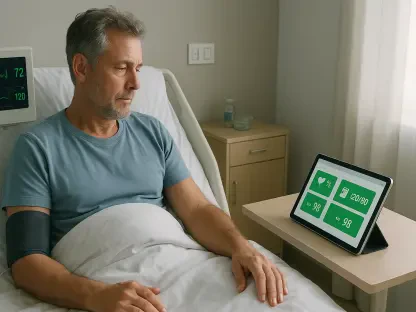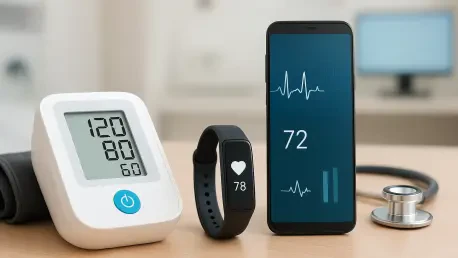
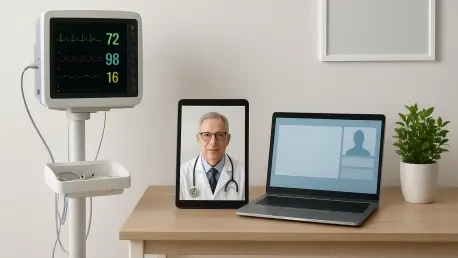
Pharmacists are utilizing weight management scales and blood pressure monitors to bridge the diagnostic gap between physical consultations. This shift marks a transition from the traditional role of medication dispensing to a comprehensive clinical-first approach within independent pharmacies. By
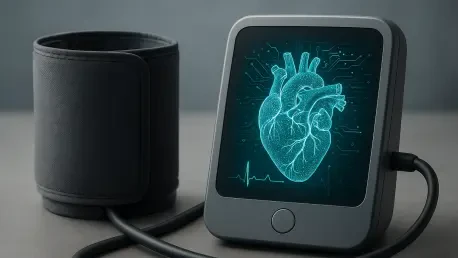
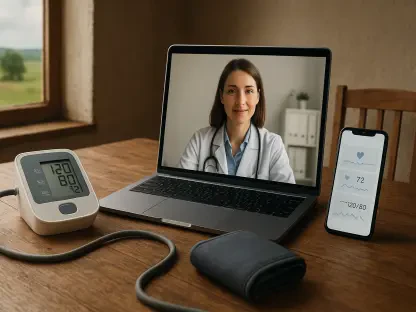
Moving diagnostic capabilities from the doctor’s office into the patient’s home addresses the inherent limitations of intermittent clinical visits and late-stage diagnoses. This transition is particularly critical for managing conditions like atrial fibrillation, or A-Fib, which often operates as a
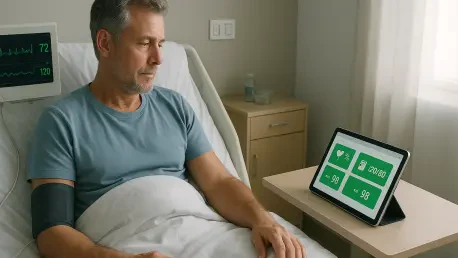
Patients are being urged to monitor their Medicare Summary Notices for unfamiliar charges as federal agencies tighten the reins on remote monitoring billing. This call for vigilance arrives as the Centers for Medicare & Medicaid Services (CMS) considers a sweeping overhaul that could fundamentally

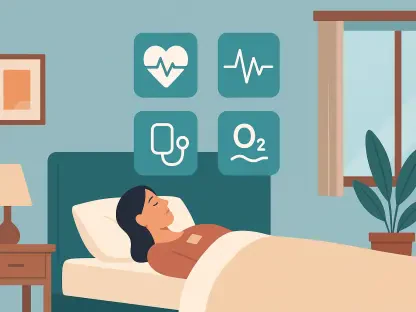
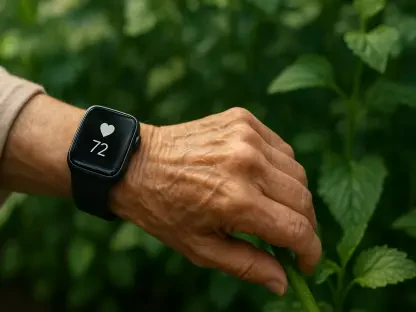
The global increase in respiratory conditions and other chronic ailments requires the continuous monitoring capabilities that only clinical-grade wearable technology can reliably provide. This fundamental shift marks a departure from traditional hospital-centric models, where medical intervention

By synthesizing connection points from over 26 million subscribers, researchers can now identify potential virus hotspots weeks before they manifest in clinical reports. This technological leap comes at a critical juncture for the Democratic Republic of Congo as it battles its 17th outbreak of the
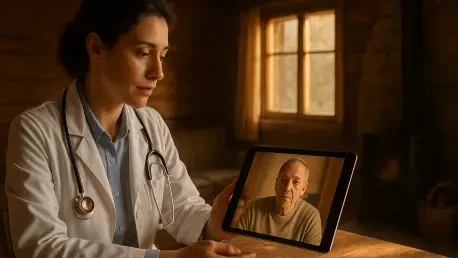
Access to life-saving medical expertise should not depend on the strength of a cellular signal, yet for nearly twelve million Americans, digital isolation remains a literal barrier to physical health. This analysis explores how broadband unavailability and slow connection speeds serve as systemic
1 2 3 4 5 6 7 8 9 10 11 12 13 14 15 16 17 18 19 20 21 22 23 24 25 26