
The current healthcare landscape is undergoing a radical transformation as hospitals transition from centralized administrative hubs to highly mobile, patient-centered care environments that demand instantaneous data access. This shift is not merely a change in floor plans but a fundamental reimagining of how clinicians interact with information at the point of care. As of 2026, the reliance on static nursing stations has diminished, replaced by a need for agile tools that allow doctors and nurses to remain at the bedside while documenting vitals, reviewing medical histories, and ordering tests. The Galaxy Tab A11+ has emerged as a cornerstone of this digital evolution, offering the processing power and connectivity required to handle complex Electronic Health Records without tethering staff to a desk. By integrating high-speed data capabilities with a design that prioritizes human interaction, this device bridges the gap between the clinical necessity for precision and the personal necessity for empathy. Modern hospital systems are increasingly recognizing that the right hardware can significantly reduce the administrative burden on providers, allowing them to focus on the immediate needs of their patients.
Portability and Visual Precision: Navigating the Clinical Environment
The physical toll of navigating a hospital during a long shift is often underestimated, with physicians and nurses frequently walking several miles across various wards while carrying essential tools. Standard laptops and heavy diagnostic equipment contribute to significant physical fatigue, which can indirectly lead to cognitive exhaustion and an increased risk of clinical oversight. The Galaxy Tab A11+ mitigates these physical demands by weighing just over a pound, making it an ideal companion for the constant movement required during rounds. Its slim profile allows clinicians to slip the device into a lab coat pocket or a small carrier, ensuring that they have constant access to patient files without the ergonomic strain associated with larger mobile workstations. This portability ensures that the transition between patient rooms is seamless, maintaining the momentum of care without the need to locate or transport heavy equipment. Consequently, the reduction in physical burden translates directly into a more focused and responsive healthcare environment.
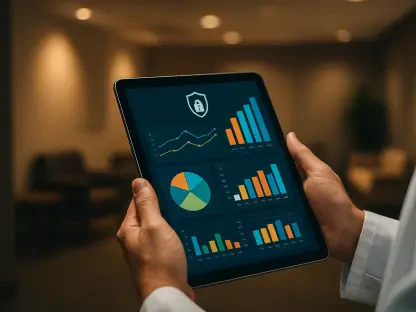
Visual clarity is equally vital in the clinical setting, where the ability to interpret a nuanced radiographic image or a complex lab trend can determine the course of treatment. The 11-inch display of the Galaxy Tab A11+ features a 90Hz refresh rate and a 1920×1200 resolution, providing a level of detail that is indispensable for modern diagnostics. High-resolution imaging and color-accurate charts are rendered with enough precision to be used for immediate bedside consultations with patients and specialists. This visual fidelity prevents the subtle errors that often occur when clinicians are forced to view intricate medical data on low-quality screens or outdated hardware. Moreover, the display brightness is optimized for the varied lighting conditions found in hospitals, from the harsh fluorescent lights of an emergency department to the dimmed environment of a recovery room. By providing a clear and responsive visual interface, the tablet ensures that every piece of data is legible and actionable, thereby enhancing the overall safety and accuracy of the clinical decision-making process.
Bridging the Gap: Hybrid Workstation Capabilities and Productivity
A persistent hurdle in medical workflows has been the fragmentation of tasks across different types of hardware, often requiring providers to use a tablet for rounds and a separate desktop for documentation. The Galaxy Tab A11+ addresses this inefficiency through Samsung DeX, a feature that transforms the mobile interface into a desktop-like environment complete with a taskbar and multi-window support. By simply connecting the tablet to a monitor, keyboard, and mouse at a workstation, clinicians can transition from a mobile rounding tool to a full-scale administrative hub. This capability allows for the side-by-side comparison of patient records, pharmaceutical databases, and diagnostic images, mirroring the productivity of a traditional PC. This unification of hardware simplifies the IT ecosystem within a hospital, as clinicians no longer need to manage multiple logins or synchronize data across different machines. The consistency of using a single device throughout a shift reduces the cognitive load on staff, enabling them to maintain their focus on clinical outcomes rather than navigating various operating systems.
The integration of such hybrid capabilities significantly enhances the speed of administrative tasks that typically consume a large portion of a clinician’s time. With 6GB of RAM and expandable storage options reaching up to 2TB, the device handles data-heavy clinical applications with the same fluidity as a standard office computer. This performance is crucial when operating high-intensity software like modern Electronic Health Record systems, which often require significant resources to load patient histories and imaging files simultaneously. By utilizing DeX, a physician can draft detailed surgical notes or coordinate complex discharge plans using a full keyboard, then detach the tablet to immediately resume bedside care. This fluidity ensures that documentation occurs closer to the time of the actual patient interaction, which has been shown to improve the accuracy of medical records. Ultimately, the ability to serve as both a mobile tablet and a powerful workstation makes the device an essential tool for maximizing the productivity of medical professionals in high-pressure environments.
Superiority Over Traditional Systems: Efficiency and Infection Control
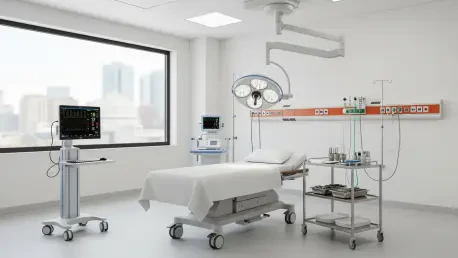
For decades, the Workstation on Wheels, or WOW, was the primary solution for mobile data entry in hospitals, yet these bulky motorized carts have become increasingly problematic in modern wards. The Galaxy Tab A11+ offers a superior alternative by eliminating the spatial and mechanical issues associated with traditional carts, which often clutter narrow hallways and patient rooms. Unlike these heavy stations that require frequent charging and take up significant floor space, the tablet provides a nimble solution that stays in the hands of the provider. Power management is another area where the tablet excels, offering long-lasting battery life that spans an entire shift without the need for constant tethering to a wall outlet. This reliability ensures that clinicians are never left without access to critical information during a code or an emergency procedure. By replacing the cumbersome WOW with a sleek tablet, healthcare facilities can reclaim valuable space and reduce the logistical headaches associated with maintaining a fleet of aging, motorized equipment.
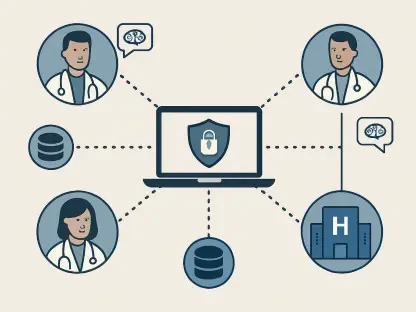
Beyond physical ergonomics, the shift to personal-carry tablets significantly enhances hospital infection control and data privacy protocols. The smooth, non-porous surface of the Galaxy Tab A11+ is specifically designed to withstand the rigorous cleaning and disinfection required between patient interactions, a task that is much harder to achieve with the complex mechanical parts of a cart. Furthermore, because the tablet is a personal-carry device, it stays with the clinician at all times, drastically reducing the risk of unauthorized access to sensitive patient data. In contrast, Workstations on Wheels are frequently left unattended in public corridors, creating potential HIPAA violations if screens are not properly locked. The tablet’s integrated security features, such as biometrics and encrypted storage, ensure that patient confidentiality is maintained without compromising the speed of access for authorized users. This combination of hygiene and security makes the tablet a much more suitable instrument for the modern clinical environment than the centralized or semi-mobile systems of the past.
Strategic Implementation: Next Steps for Clinical Data Integration
The successful integration of the Galaxy Tab A11+ into clinical workflows required a multi-faceted approach that prioritized both hardware reliability and institutional security protocols. Healthcare administrators who observed the highest rates of adoption were those who invested in robust training programs to ensure staff could fully utilize the hybrid workstation features. By providing clinicians with the necessary peripherals at centralized docking stations, hospitals created an environment where the tablet became the primary vehicle for all medical documentation and communication. This shift facilitated a more synchronized approach to patient care, as data was updated in real-time and was immediately accessible across different departments. The transition also involved a rigorous evaluation of legacy systems to ensure that software interfaces were optimized for touch-based interactions. Moving forward, institutions should focus on expanding the use of these devices into remote monitoring programs to maintain continuity of care beyond the physical hospital walls.
The operational benefits of this digital transition became evident as facilities reported lower total costs of ownership and improved staff satisfaction scores. By consolidating multiple functions into a single mobile platform, IT departments simplified their maintenance schedules and reduced the frequency of hardware replacements. The focus has now turned toward leveraging the device’s connectivity to support broader medical ecosystems, including Bluetooth-integrated diagnostic tools that feed data directly into the tablet. Strategic leaders identified that the key to long-term success was not just the hardware itself, but the creation of a seamless data flow that supported clinical intuition with real-time analytics. As hospitals continue to refine their mobile strategies, the priority must remain on maintaining the security and integrity of patient information while maximizing the speed of care delivery. The adoption of advanced tablets represented a decisive step toward a more responsive and technologically integrated healthcare system that valued both efficiency and the patient experience.