
The high-stakes environment of modern healthcare facilities demands a procurement strategy that treats every surgical laser or diagnostic imaging suite not merely as a capital expense but as a critical node in a complex operational network. As hospital systems and specialized clinics navigate the pressures of 2026, the transition from simple purchasing to integrated risk management has become a necessity for institutional survival. This evolution stems from the realization that the cheapest upfront price often hides catastrophic downstream costs related to software incompatibility, maintenance delays, or unexpected training requirements for specialized nursing staff. Administrators are now tasked with balancing clinical excellence with fiscal responsibility in an era where supply chain disruptions and rapid technological turnover are the standard. By adopting a framework that prioritizes long-term resilience over immediate cost savings, facilities can bridge the gap between their pressing clinical needs and the logistical realities of the global medical market today.
Identifying the Scope: Procurement Vulnerabilities
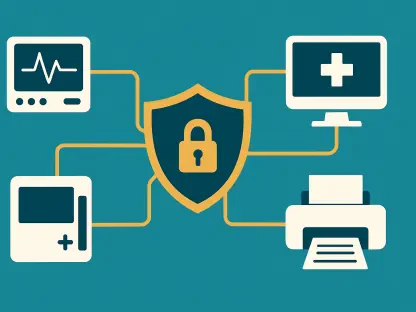
Procurement risk within a clinical setting encompasses any variable that could lead to unexpected costs or significant operational downtime after a piece of specialized hardware is integrated into the facility. Key pressure points often involve the subtle equipment compatibility issues with existing legacy infrastructure, such as electronic health record systems or localized power grids that may not support high-draw diagnostic tools. Identifying these specific risks early in the acquisition cycle allows healthcare administrators to shift from a reactive, crisis-management mindset to a proactive operational posture. This ensures that new devices integrate smoothly into existing workflows without causing clinical delays that could jeopardize patient outcomes or cause significant budgetary overruns. Furthermore, a failure to account for the availability of specialized technical support or the specifics of warranty coverage can lead to prolonged periods where expensive equipment sits idle while awaiting parts.
A successful procurement strategy in the current landscape relies on structured planning and a robust data-driven approach rather than the impulse buying often seen in previous years. This comprehensive methodology involves evaluating the Total Cost of Ownership, a metric that accounts for recurring maintenance, service contracts, and even the energy consumption of the device alongside the initial sticker price. Facilities must prioritize operational compatibility by verifying that the physical dimensions, ventilation requirements, and software protocols of new equipment align perfectly with their current architecture. Neglecting these details often results in costly retrofitting of surgical suites or imaging rooms, which can easily double the effective cost of a single acquisition. By utilizing predictive analytics to model the impact of new equipment on patient throughput, administrators can ensure that every capital investment contributes directly to the facility’s efficiency and long-term financial stability.
Adopting Industry Trends: Strategic Workflows
Modern healthcare providers have started moving away from viewing procurement as a siloed administrative task, pivoting instead toward a model known as clinically informed procurement. This significant industry trend emphasizes the necessity of using direct medical expertise to guide business decisions, ensuring that the hardware selected actually meets the specific nuances of patient care and practitioner ergonomics. In response to recent market volatility, there is a growing demand for extreme vendor transparency regarding lead times and specific product components to prevent surgical schedule disruptions. When clinicians are involved in the vetting process, the likelihood of purchasing equipment that fails to meet clinical standards drops significantly. This collaborative approach ensures that the technical specifications of a new ultrasound machine or robotic surgical system are matched exactly to the types of procedures most frequently performed, thereby maximizing the clinical utility of the asset.
To streamline the mitigation of procurement risks, organizations should establish a set of clear, non-negotiable requirements based on clinical applications and patient volume before browsing potential products. This prevents the common pitfalls of under-specifying equipment, which leads to early hardware failure under heavy use, or over-specifying, which wastes precious capital on features that the facility will never actually utilize. Aligning these high-value purchases with long-term operational goals through comprehensive mid-year reviews helps facilities avoid the “panic buying” often triggered by sudden supply shortages or expiring budget windows. Furthermore, establishing these standards allows for more favorable negotiation of financing and warranty terms, as vendors are presented with a clear and professional set of expectations. This disciplined approach transforms the procurement department from a simple fulfillment office into a strategic partner that actively protects the facility’s assets.
Ensuring Sustained Operational Resilience
Choosing the right procurement partner is a critical factor in minimizing the inherent risks of medical hardware acquisition in a competitive market. A reliable vendor should offer a broad selection of certified equipment across multiple categories and possess a robust fulfillment network to ensure timely delivery regardless of local logistics challenges. Transparency remains a vital component of this relationship; healthcare facilities must seek out partners who provide easy access to detailed product information and clear, automated quote-request processes. This allows for confident, rapid decision-making during the high-pressure acquisition phase when time is of the essence. Moreover, a partner that demonstrates a history of reliability in servicing what they sell provides an added layer of security against future operational disruptions. Selecting a vendor based on their track record for logistical excellence and post-sale support is just as important as the quality of the medical hardware itself.
The successful mitigation of procurement risks was achieved when facilities focused on the nuances of maintenance requirements and the realistic lifespan of their equipment. Healthcare organizations that prioritized these factors protected their financial health while maintaining the high standards of care required by modern patients. By making risk-adjusted purchasing decisions, these providers ensured long-term operational continuity and invested in new technology with absolute confidence. They eliminated the uncertainty of hidden costs by implementing rigorous pre-purchase evaluations and fostering deep relationships with transparent vendors. These strategies moved the industry away from a transactional model and toward a sustainable partnership framework. Ultimately, the integration of clinical insight with financial discipline allowed administrators to navigate the complexities of the market effectively. These actions provided a blueprint for future success, ensuring that medical equipment served its primary purpose of enhancing patient care.